Eye protection at work

85 products

Showing 73 - 85 of 85 products

Showing 73 - 85 of 85 products
View
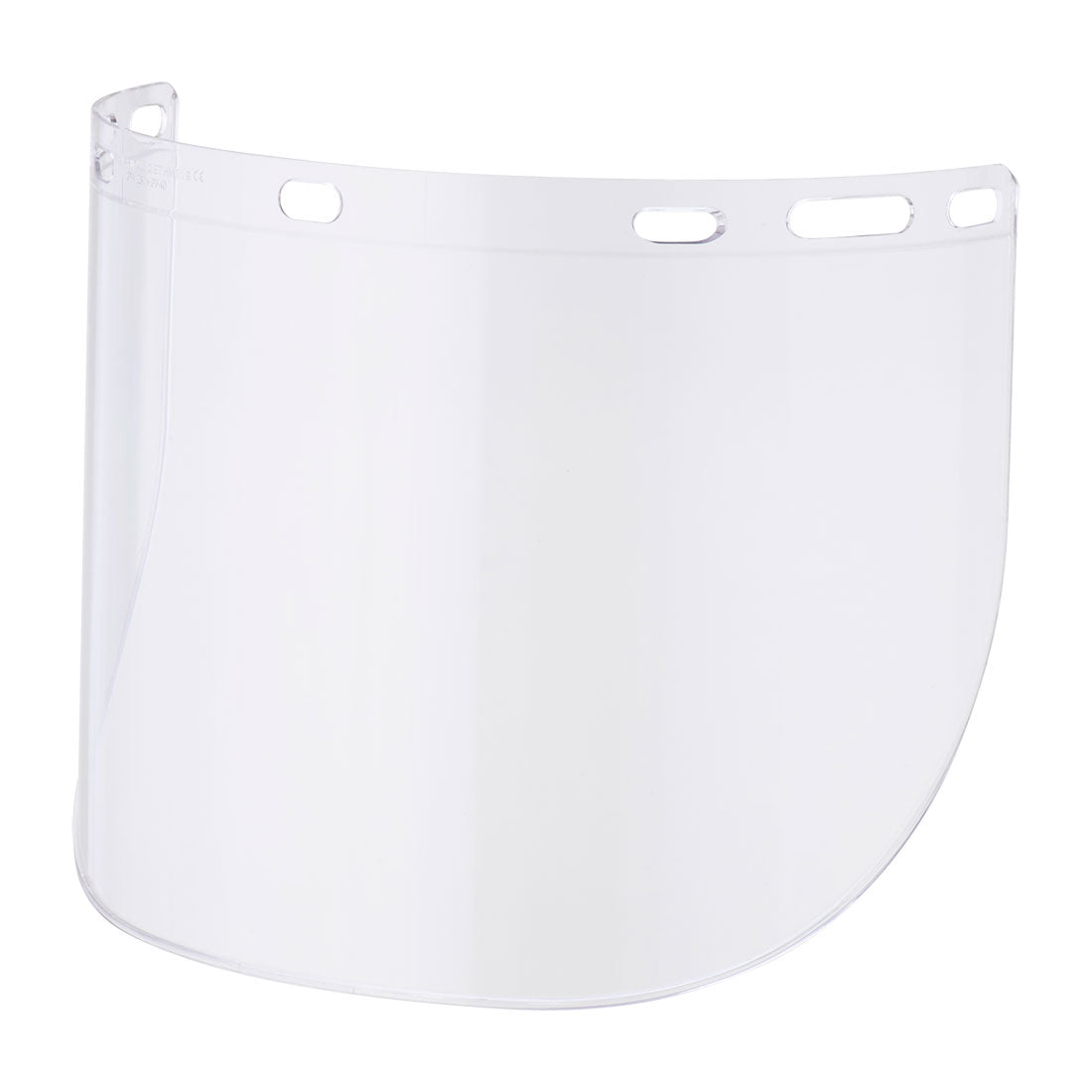
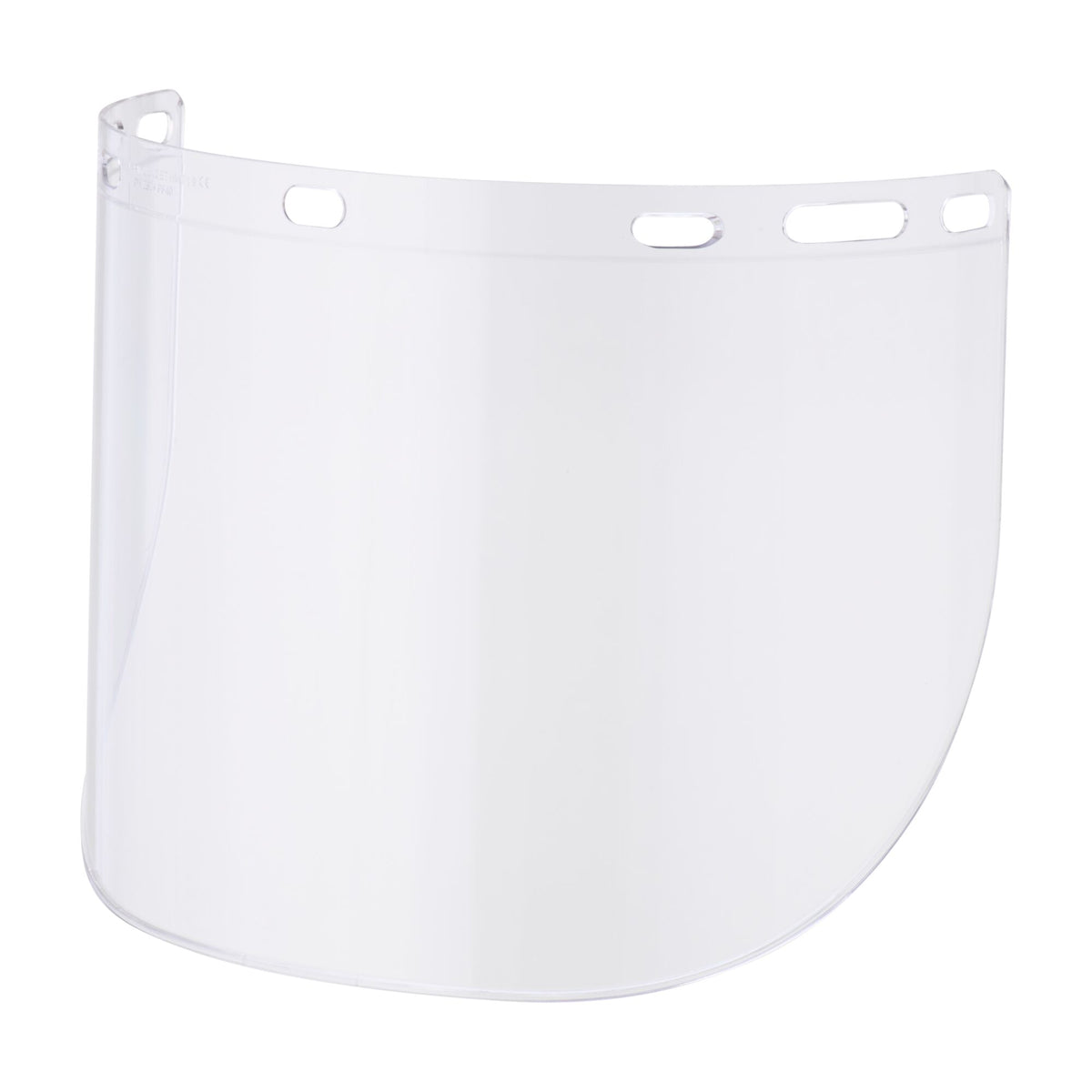
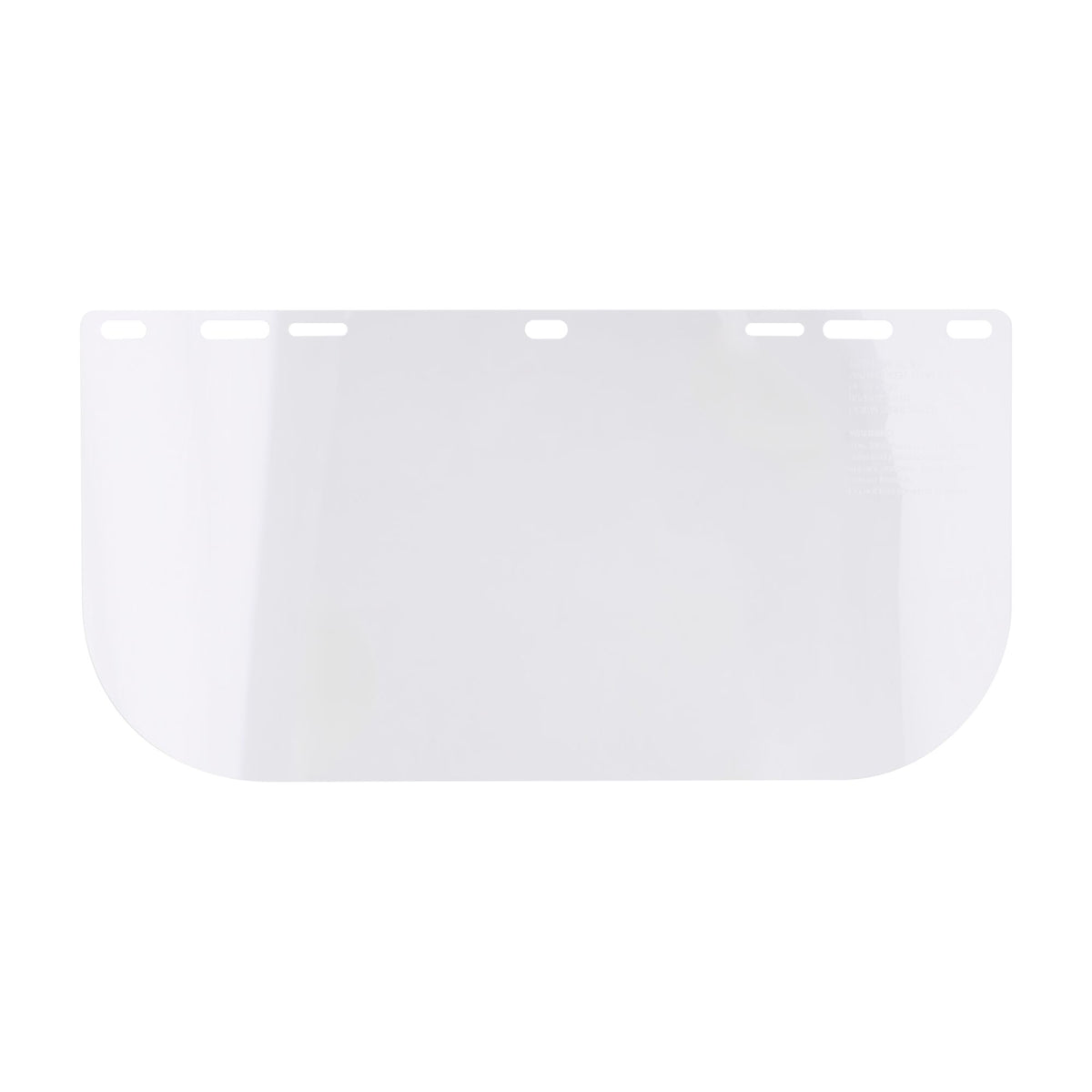
PF40 - PC Premium Visor Clear - Portwest - ClearPC Premium Visor Clear - Portwest PF40 Portwest
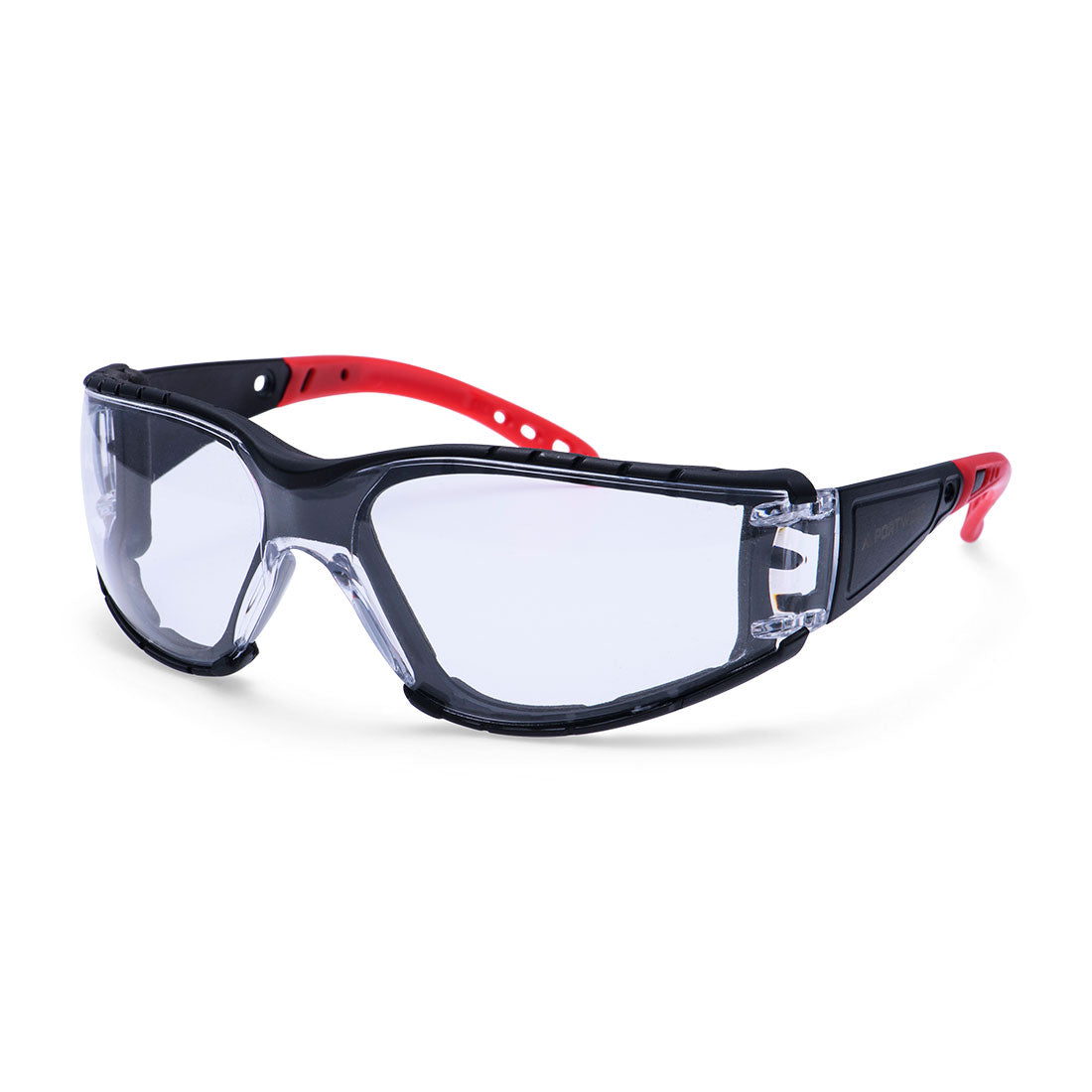
PG01 - TPE Safety Glasses - Portwest - Clear
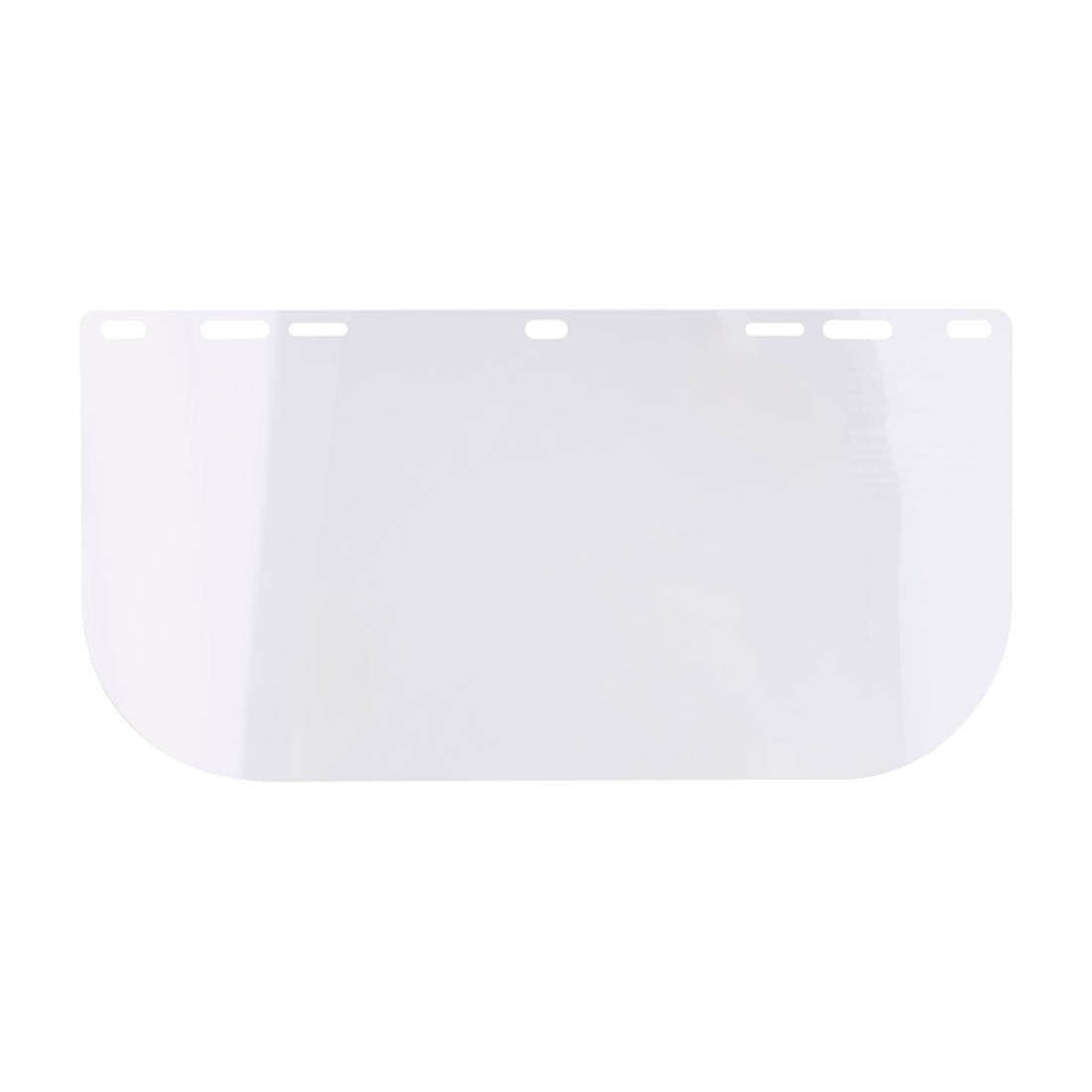
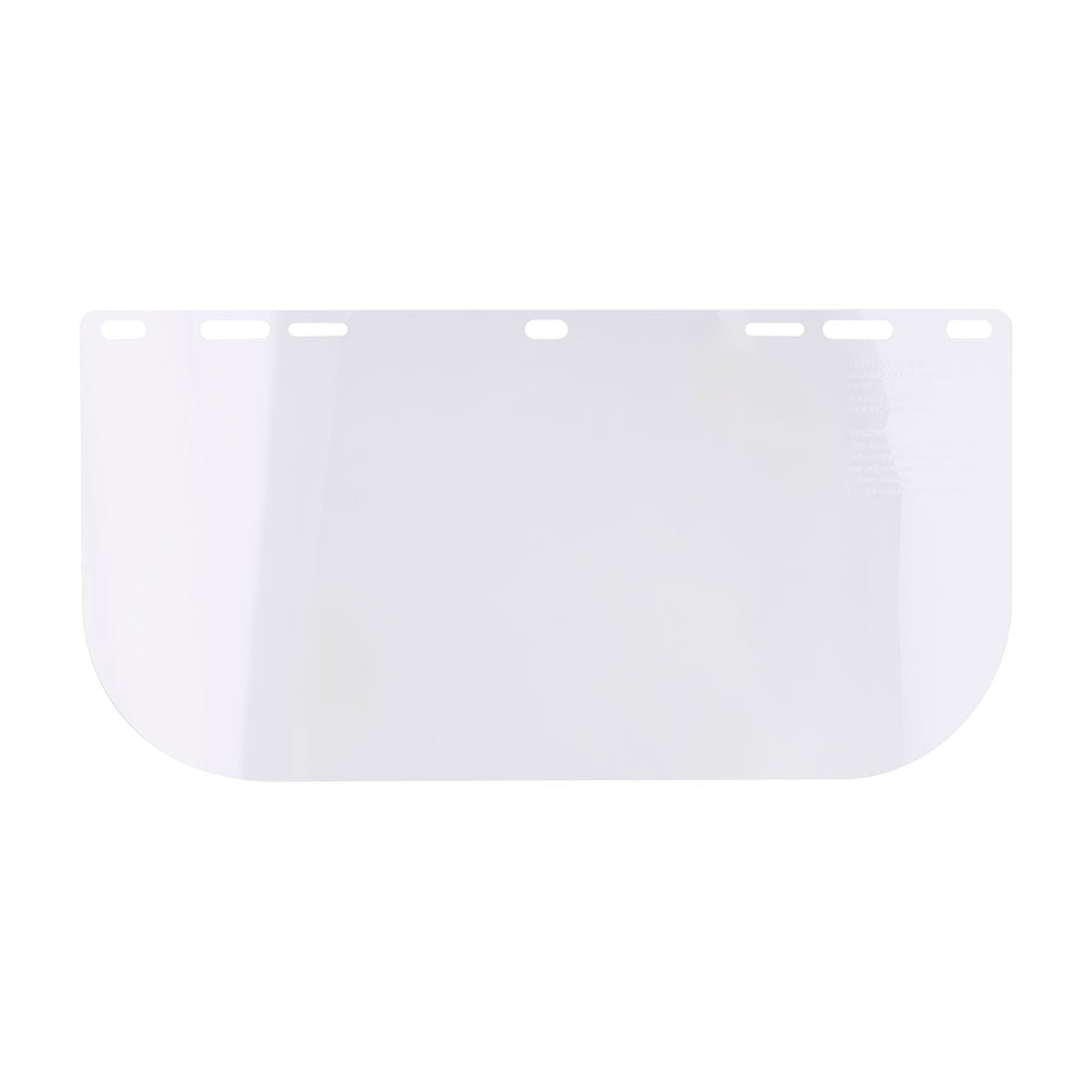
PF35 - PC Visor Flat Clear (PK 1) - Portwest - ClearPC Visor Flat Clear (PK 1) - Portwest PF35 Portwest
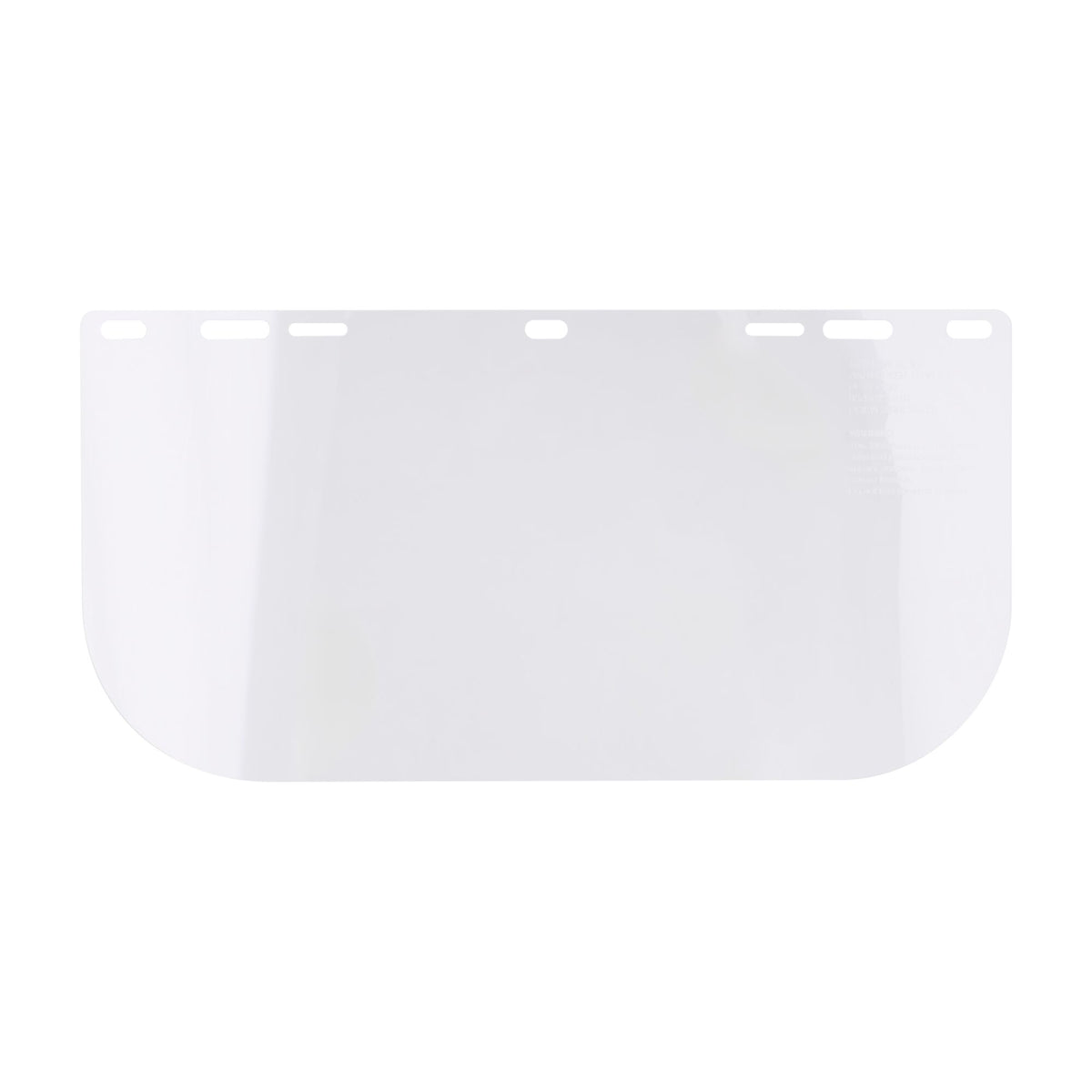
PF30 - PC Visor Flat Clear (PK 1) - Portwest - ClearPC Visor Flat Clear (PK 1) - Portwest PF30 Portwest
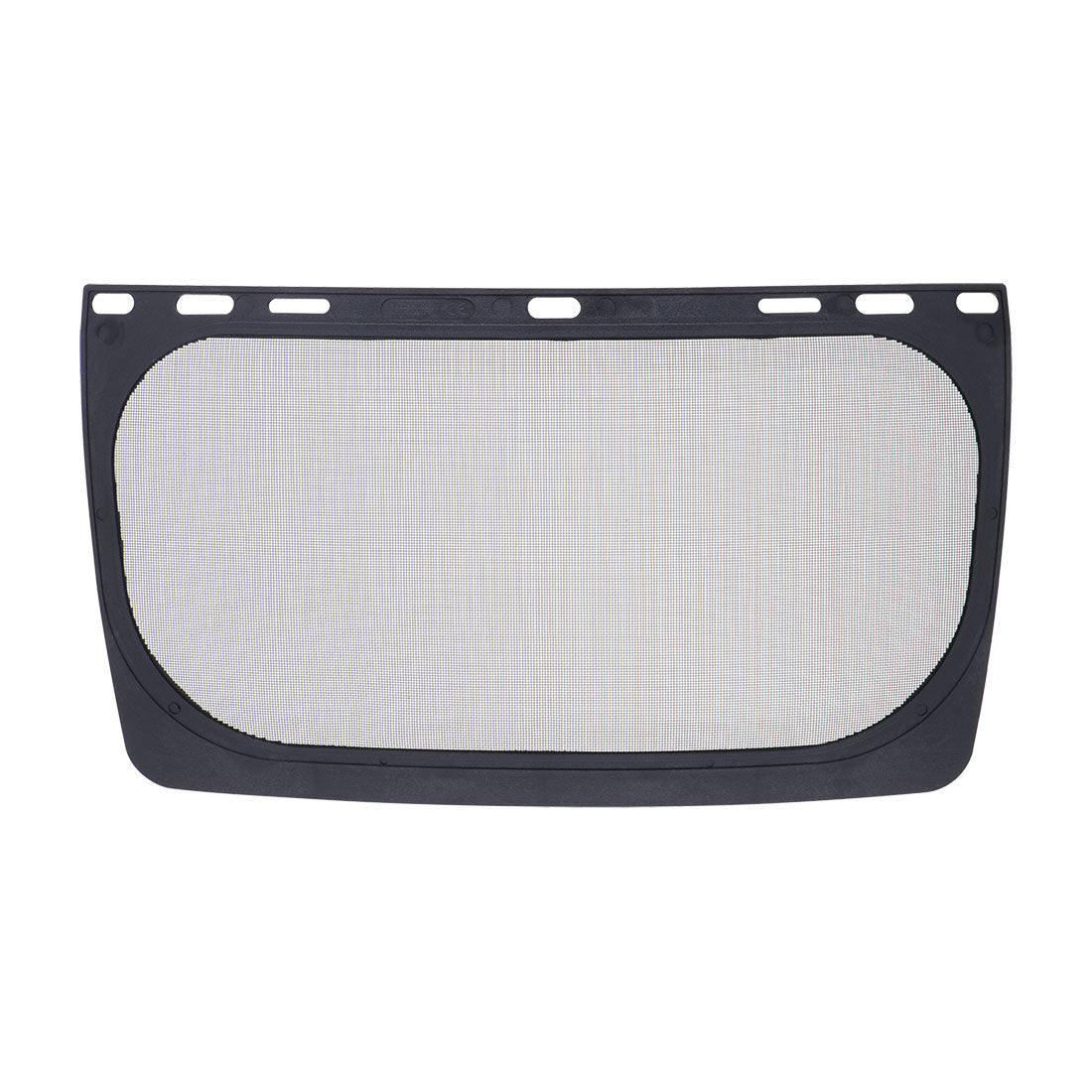
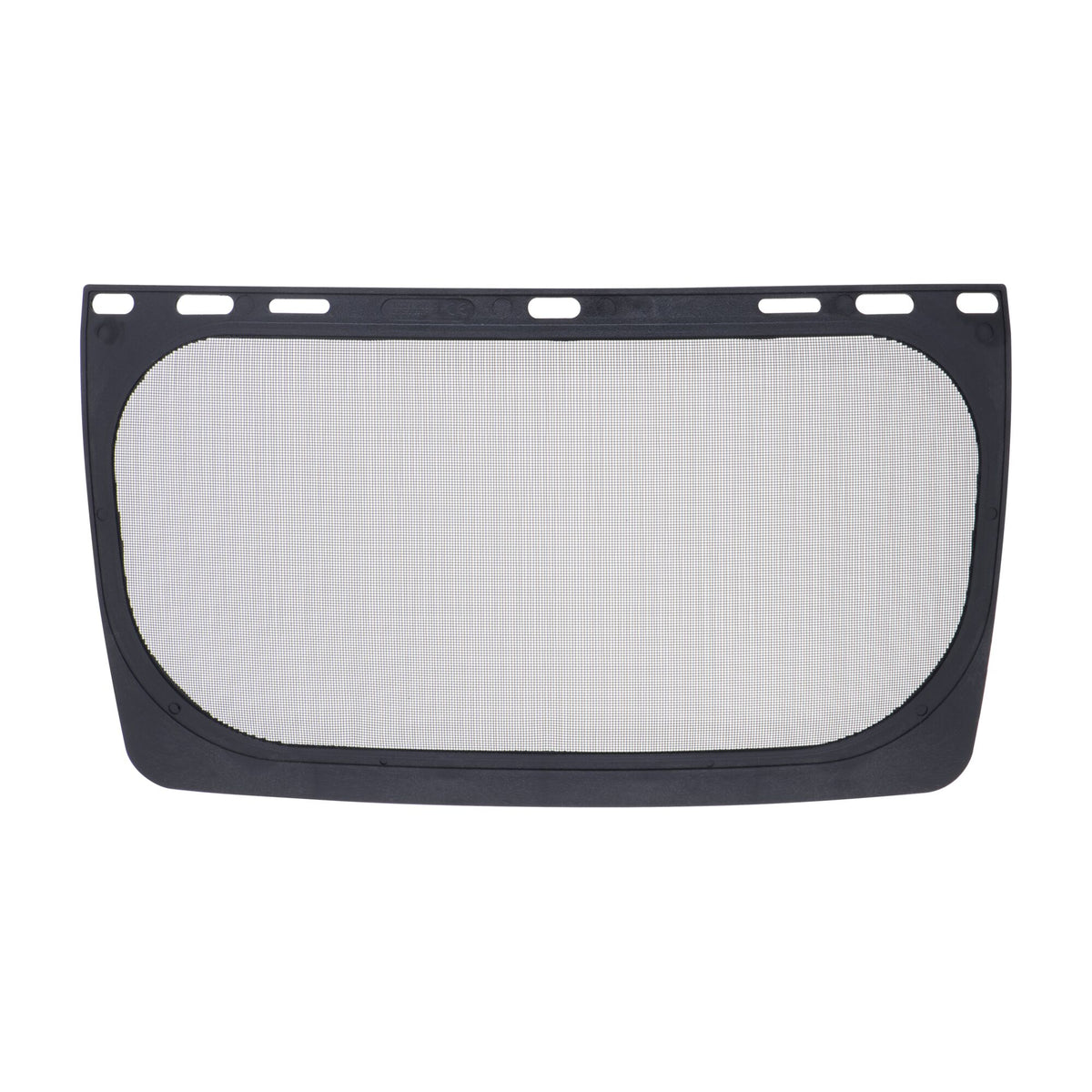
PF20 - Mesh Visor - Portwest - BlackMesh Visor - Portwest PF20 Portwest
Portwest Mesh Visor - Portwest PF20
+1
Sale price€5,20
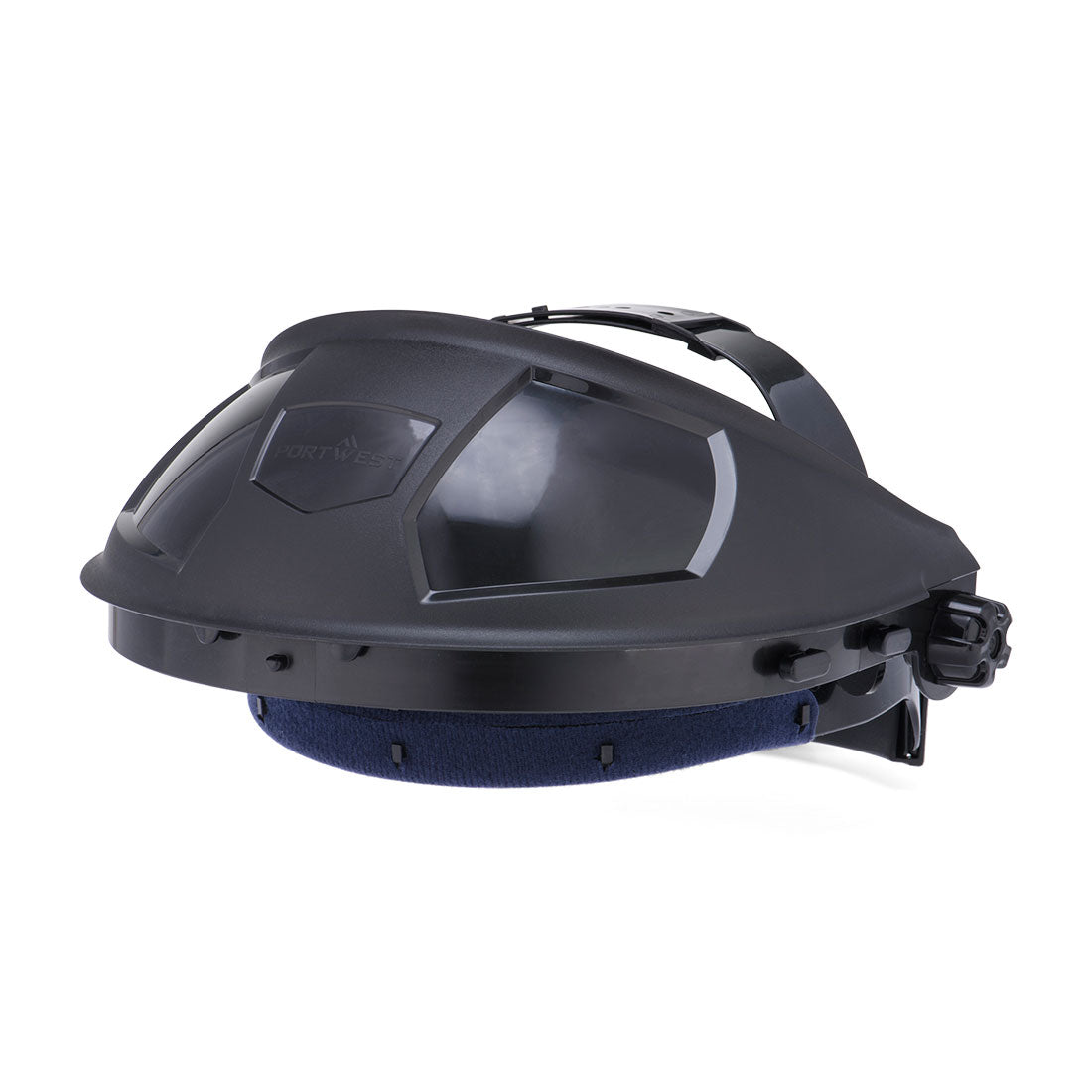
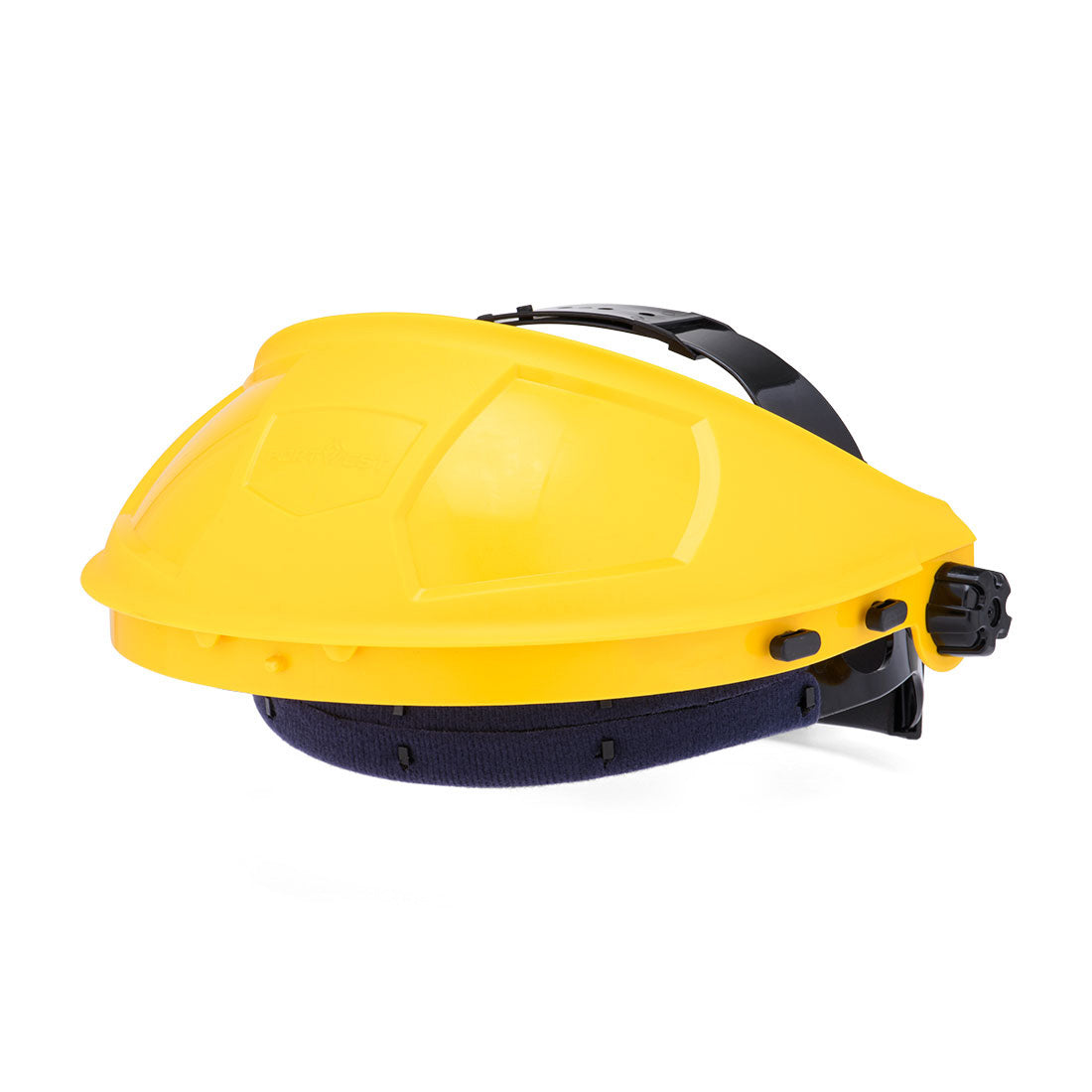
PF01 - Eyebrow Head Protector - Portwest - BlackPF01 - Eyebrow Head Protector - Portwest - Yellow
Portwest Brow Guard - Portwest PF01
+2
+1
Sale price€9,07
Choose options
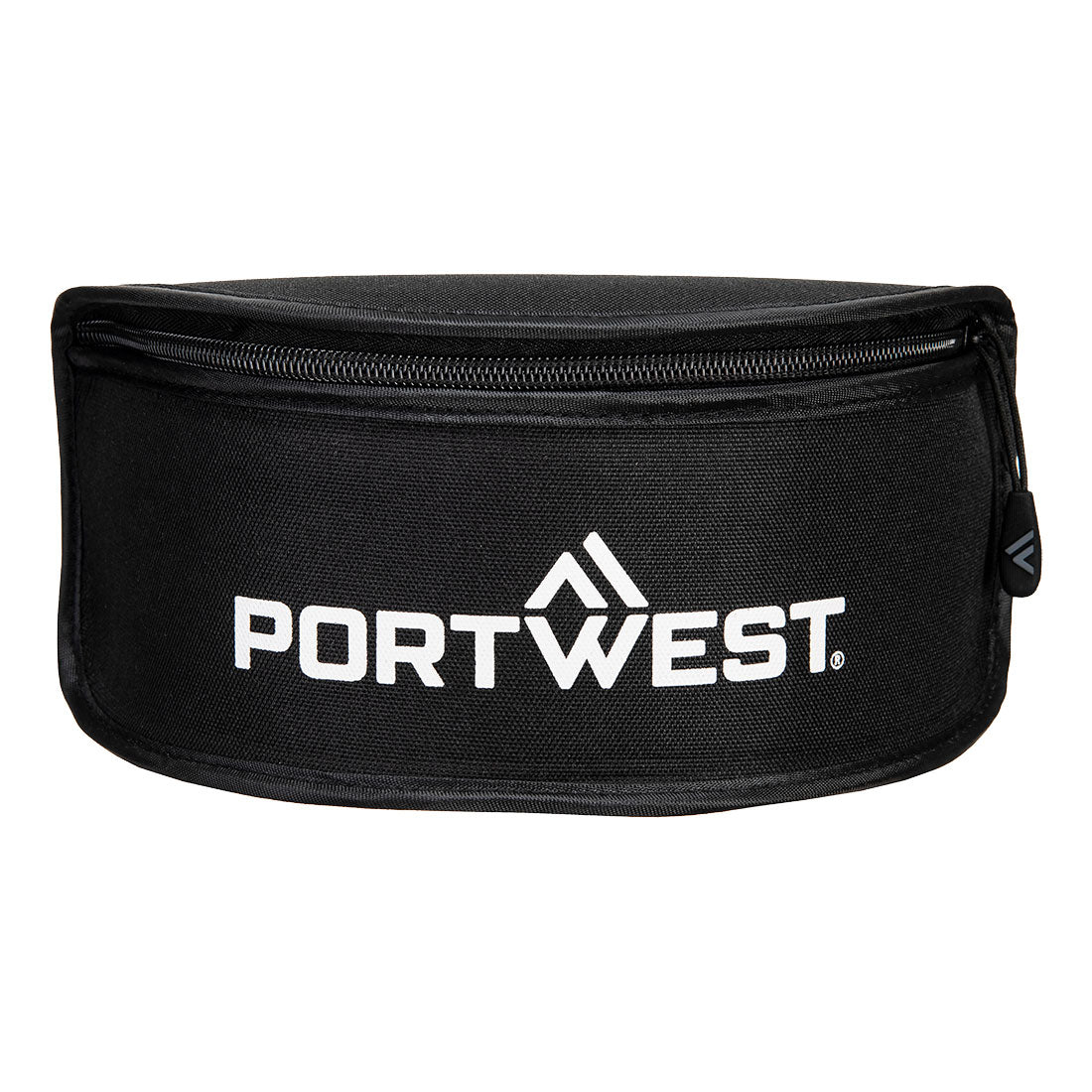
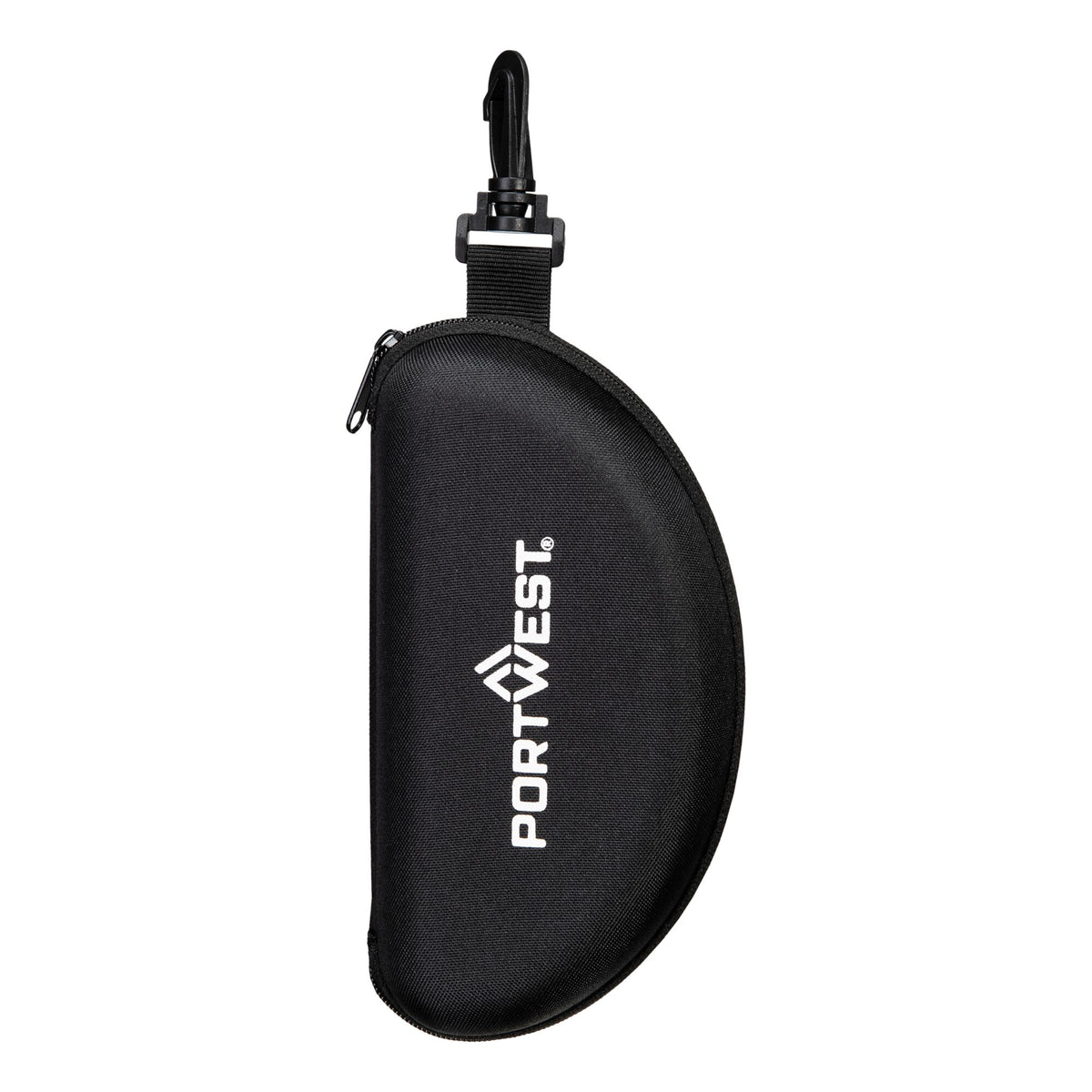
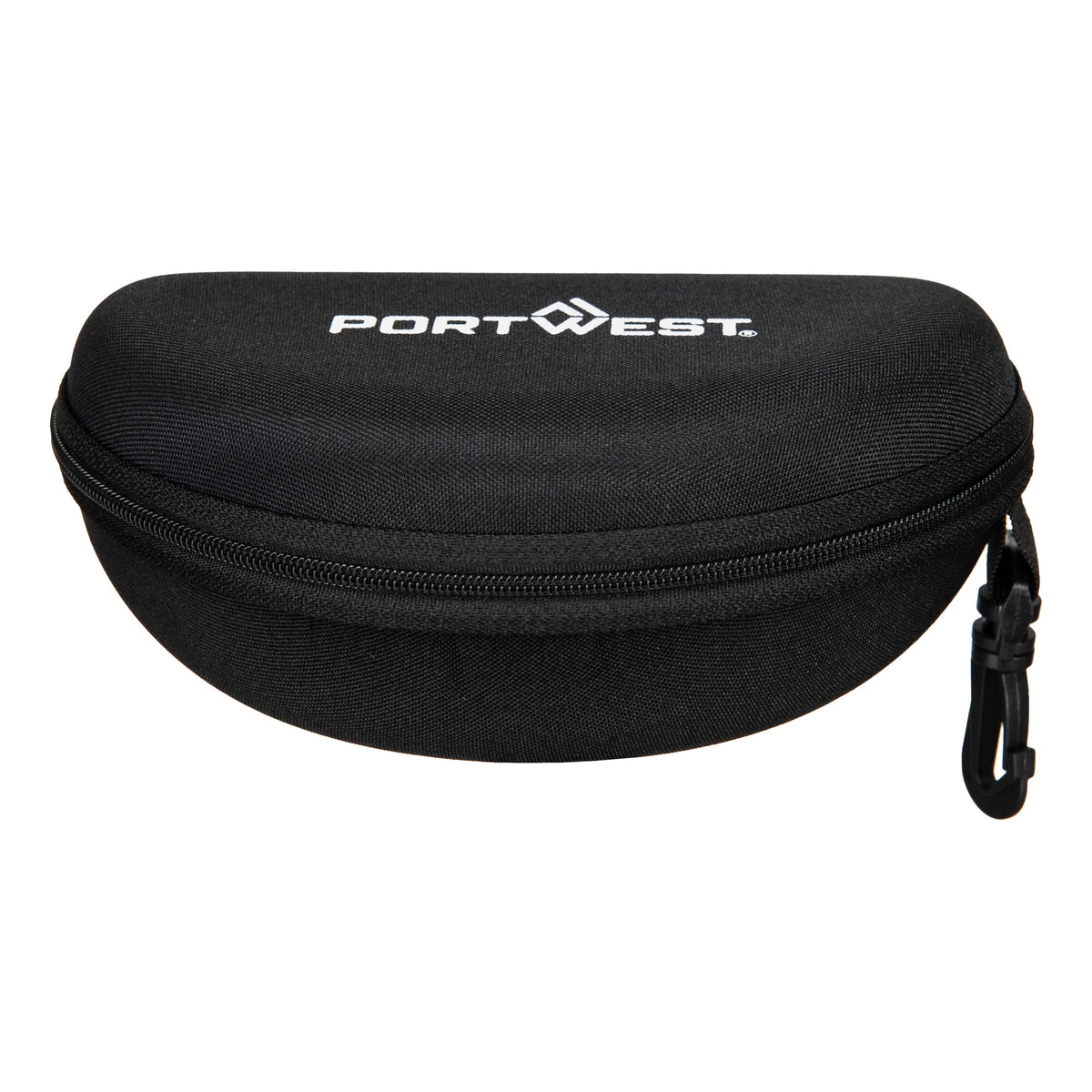
PA16 - Spectacle Storage Case - Portwest - Black
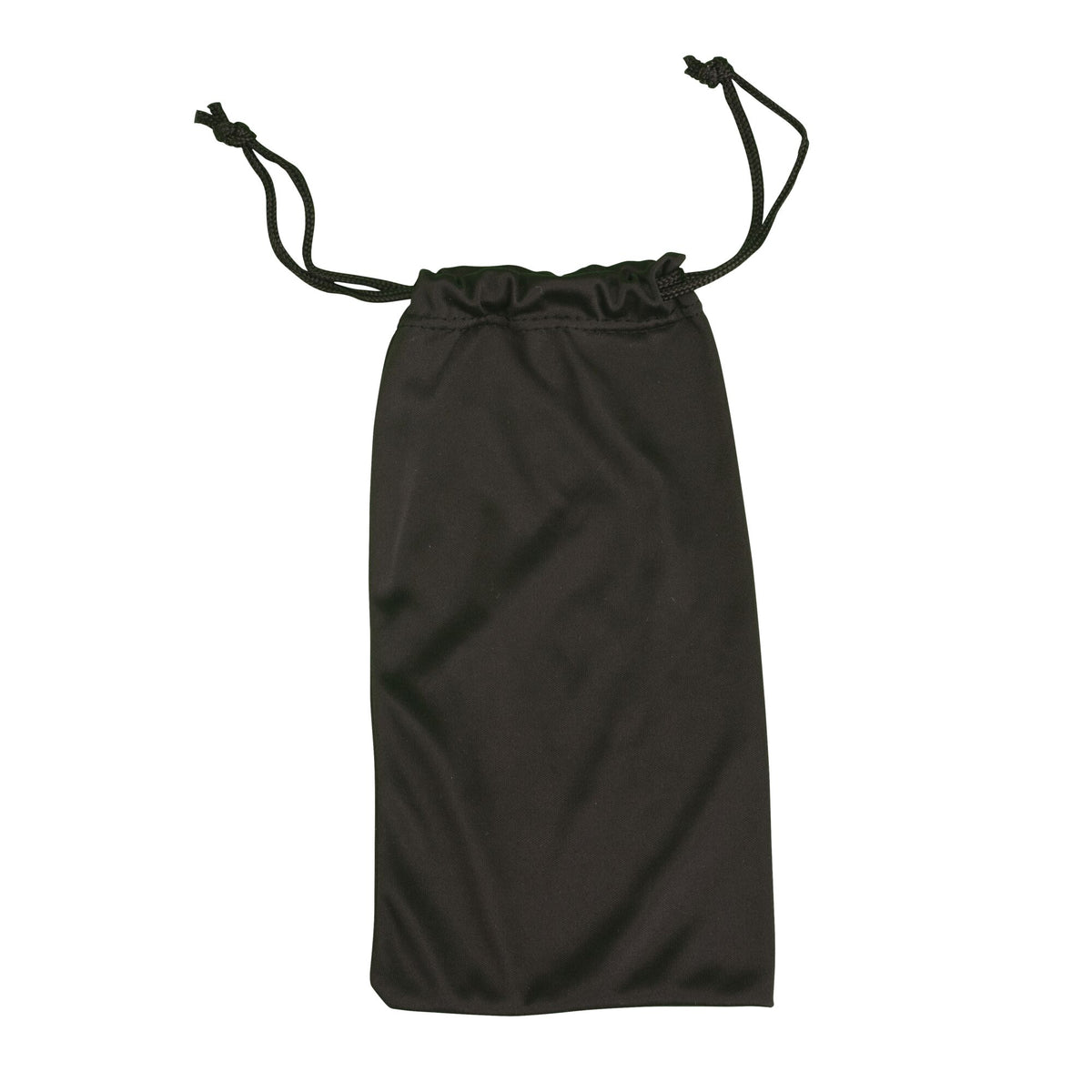
PA31 - Glasses Pouch - Portwest
Portwest Glasses pouch - Portwest PA31
+1
Sale price€78,21
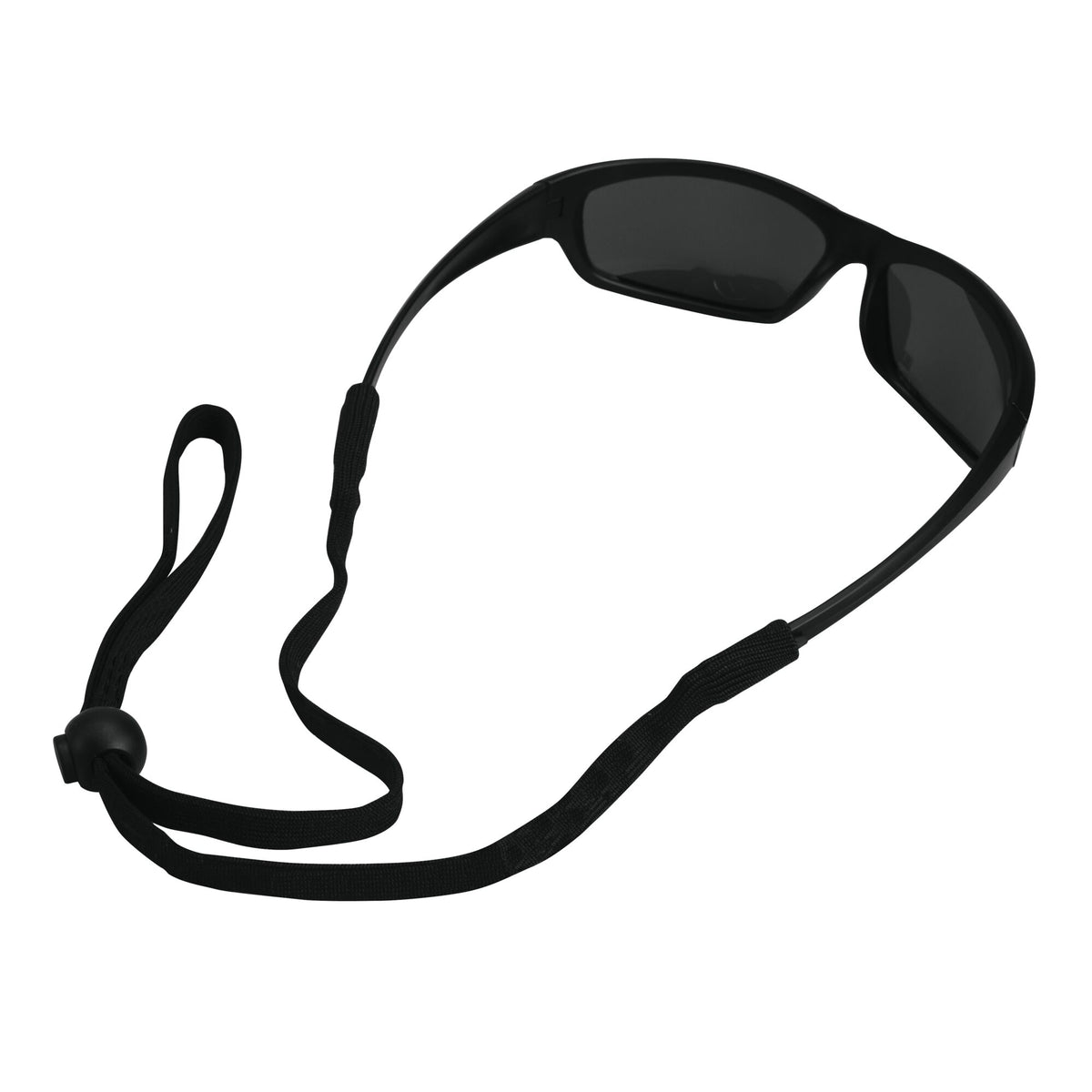
PA30 - Spectacle Cord - Portwest
Portwest Spectacle Cord - Portwest PA30
+1
Sale price€45,05
PA15 - Glasses Storage Case - PortwestPA15 - Glasses Storage Case - Portwest
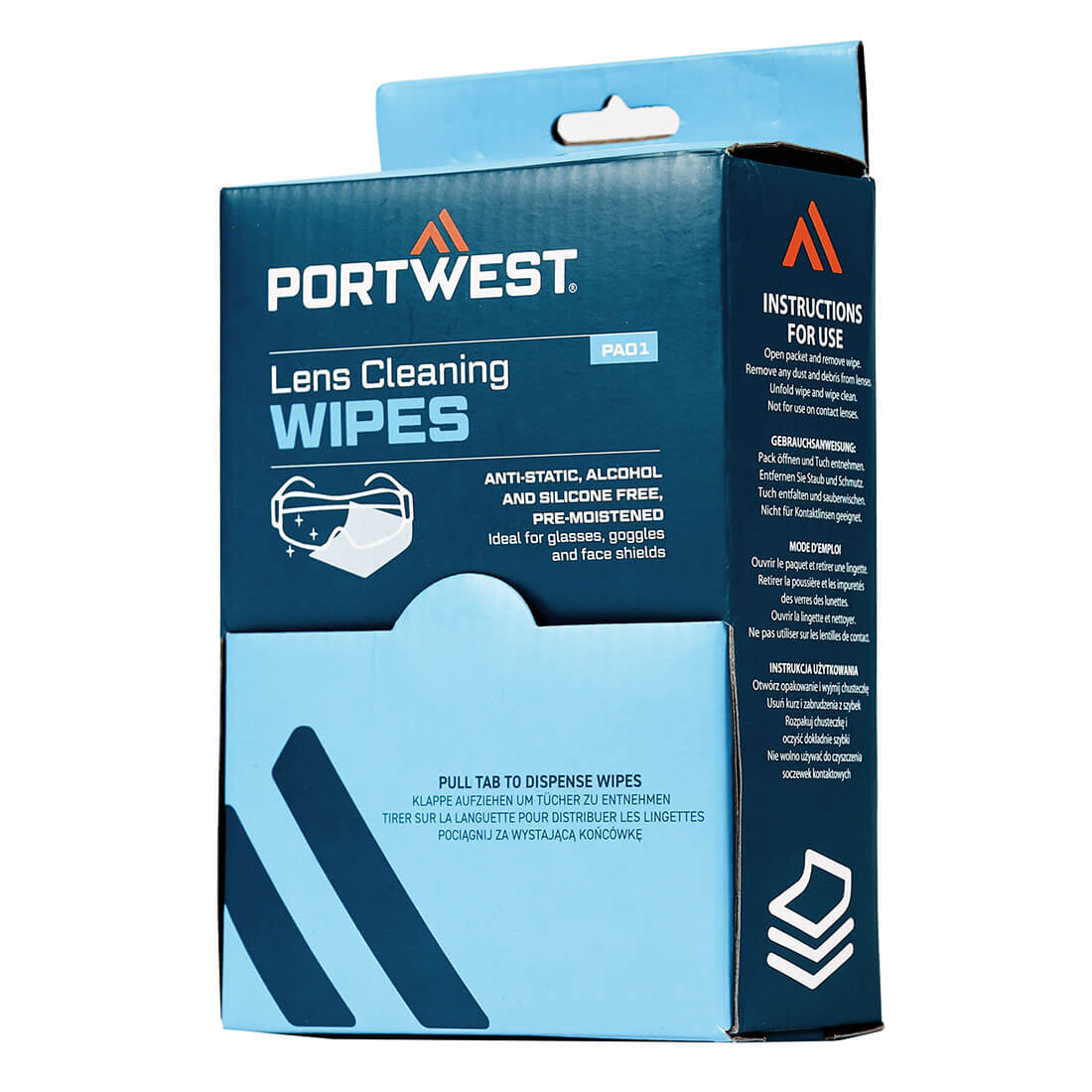
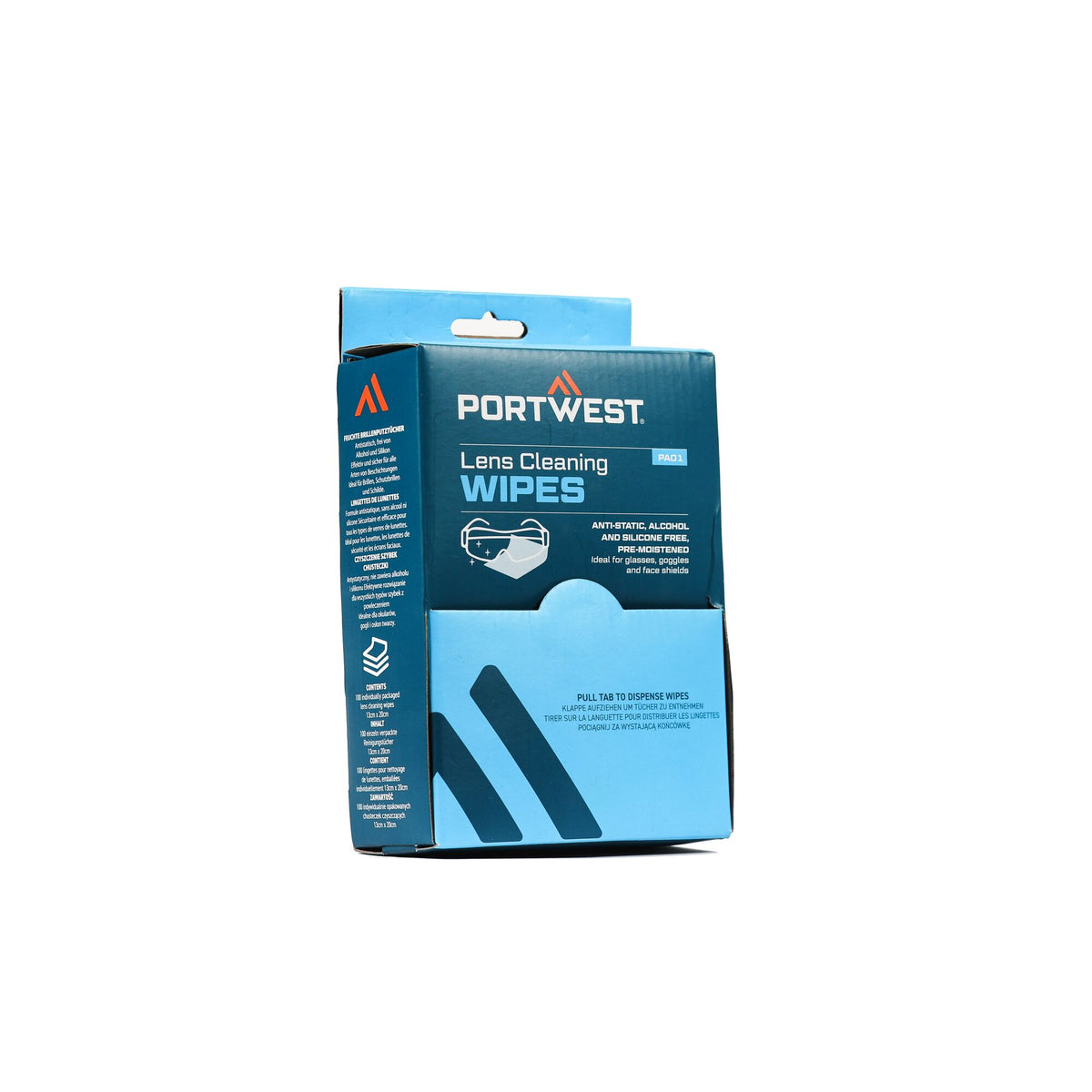
PA01 - Spectacle Cleaning Wipes - Portwest - WhitePA01 - Spectacle Cleaning Wipes - Portwest
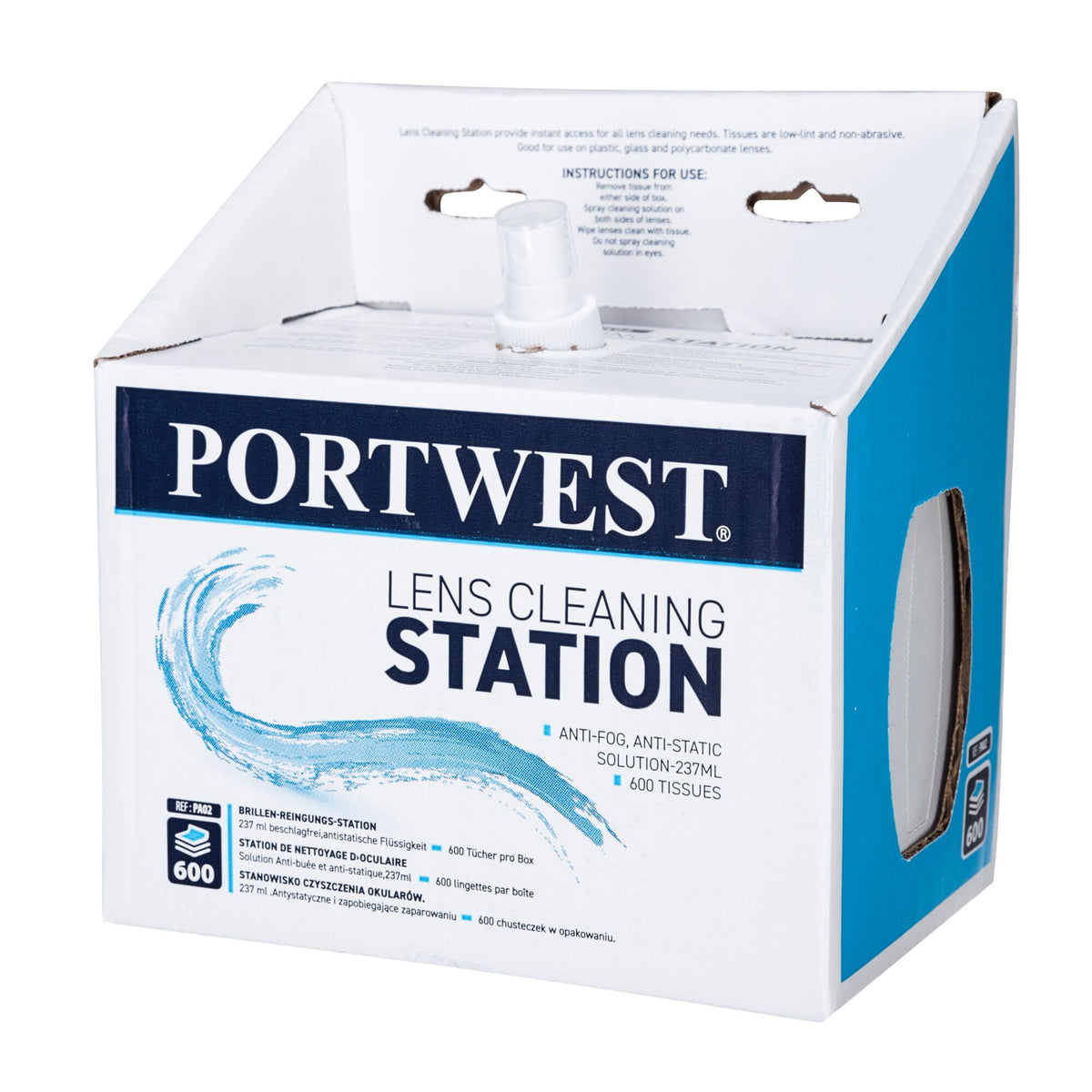
Lens Cleaning Station - Portwest PA02 Portwest

Which eye protection for which work?

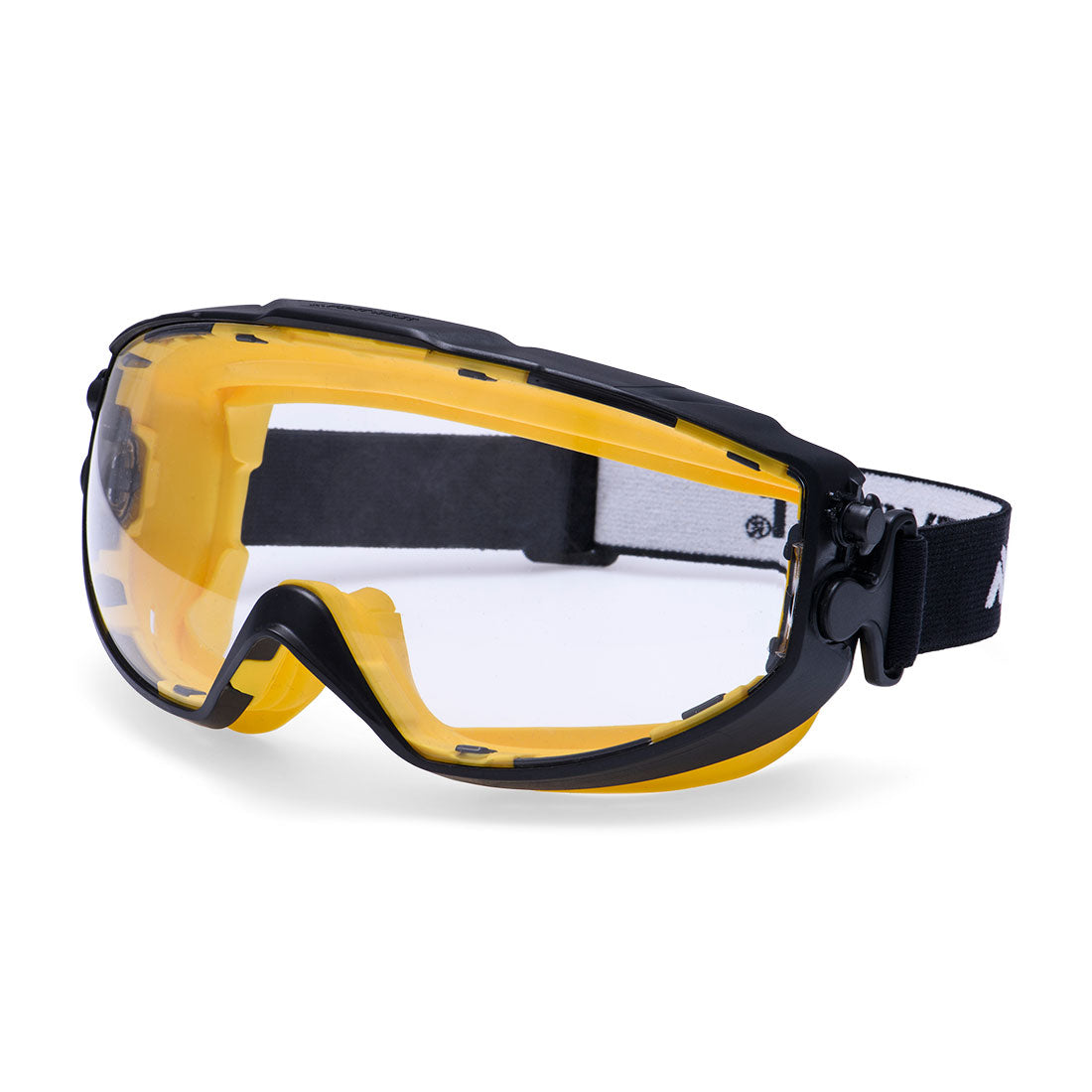
Safety glasses are enough against flying particles from sawing, drilling and grinding. When working with liquids, dust or chemicals, goggles seal all around and also block splashes from the side. For grinding with large discs or work with molten metal, add a face shield on top: that protects your whole face but doesn't replace the glasses underneath.

Check the marking on the lens and frame: F, B or A for impact strength, plus codes for radiation. Welding uses separate shade numbers; see the welding equipment for that. For more on what these EN 166 markings mean, read our article on EN 166.

Preventing fogging and scratches

The two reasons people take their glasses off are condensation and scratches. Choose a version with anti-fog coating (marking N) and scratch-resistant lens (marking K), clean the lenses wet and never with a dry, dusty cloth, and store the glasses in a case rather than loose in the toolbox.

Frequently asked questions

What does the marking on safety glasses mean?

The lens and frame carry codes according to EN 166. The letters F, B and A indicate impact strength from low to high energy; numbers refer to the type of radiation or filter. A K means scratch-resistant, an N stands for anti-fog. So look beyond the shape: the same glasses exist in different versions.

Why do my safety glasses keep fogging up?

That happens when warm, moist air flows past a cold lens, often made worse by a face mask. Choose glasses with anti-fog coating, don't use a dry cloth to clean the coating, and for goggles make sure the ventilation openings suit the work you're doing.

Can I wear safety glasses over my regular glasses?

Yes, there are over-glasses and goggles designed for that. Regular safety glasses over prescription glasses often fit poorly and leave gaps at the sides. If you wear prescription glasses daily, prescription safety glasses are the most comfortable solution.

What is the difference between a vented and an unvented wide-vision goggle?

The difference lies in how the goggle lets air through. A goggle with direct ventilation has open holes and is intended for coarse dust and particles. Indirect ventilation lets air through shielded channels and also keeps out liquid splashes. An unvented goggle seals completely and is intended for fine dust, vapours and gases, but fogs up more quickly.

What is a detectable safety spectacle?

A detectable safety spectacle contains material that is picked up by metal detectors on a production line. If a small piece of the spectacle breaks off and falls into a product, it is found during inspection. That is why these spectacles are mainly used in the food and pharmaceutical industries, where loose particles in the product are not acceptable.

Is your question not listed? Ask our specialists.

Recently viewed