Sandals

5 products

Showing 1 - 5 of 5 products

Showing 1 - 5 of 5 products
View
Save 20%
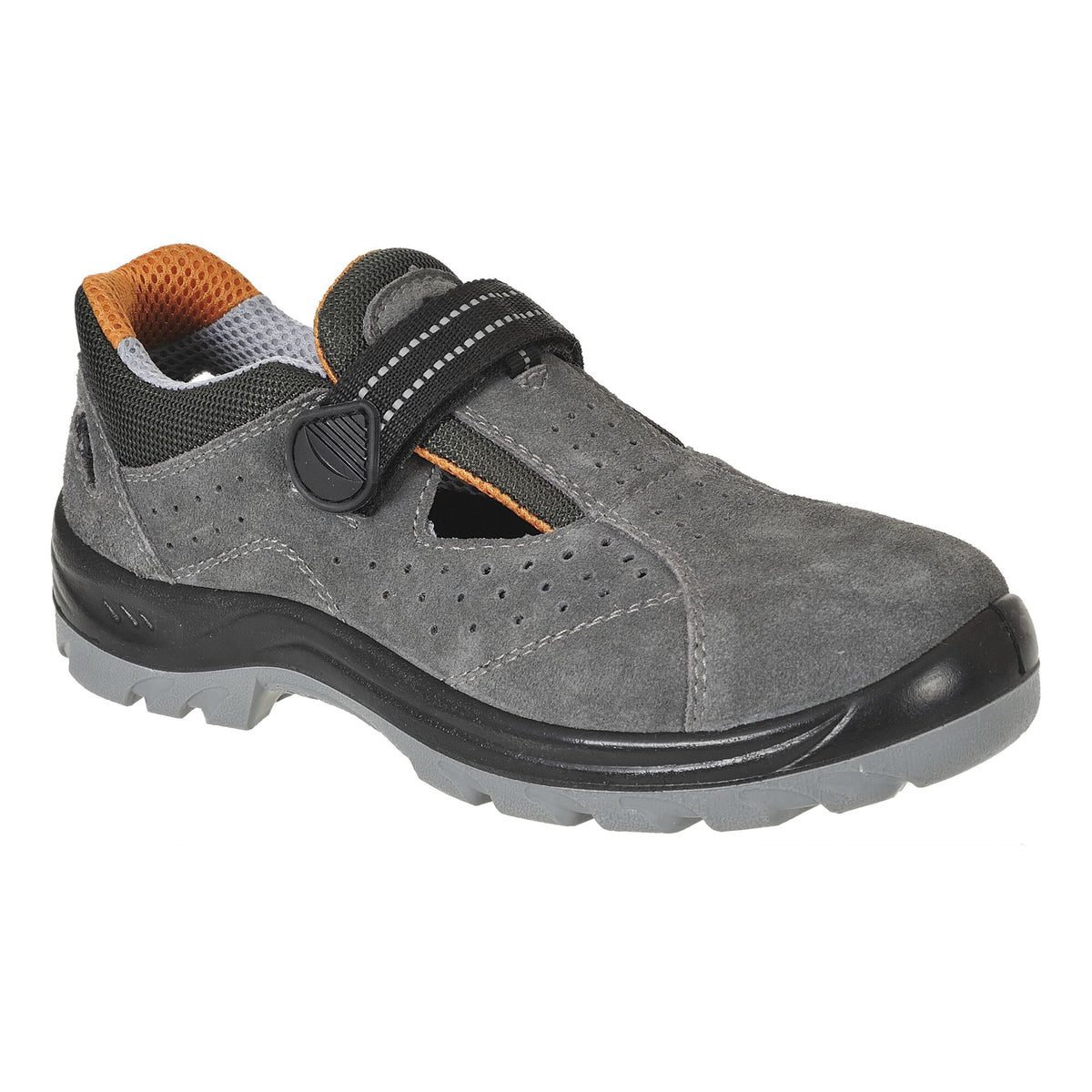
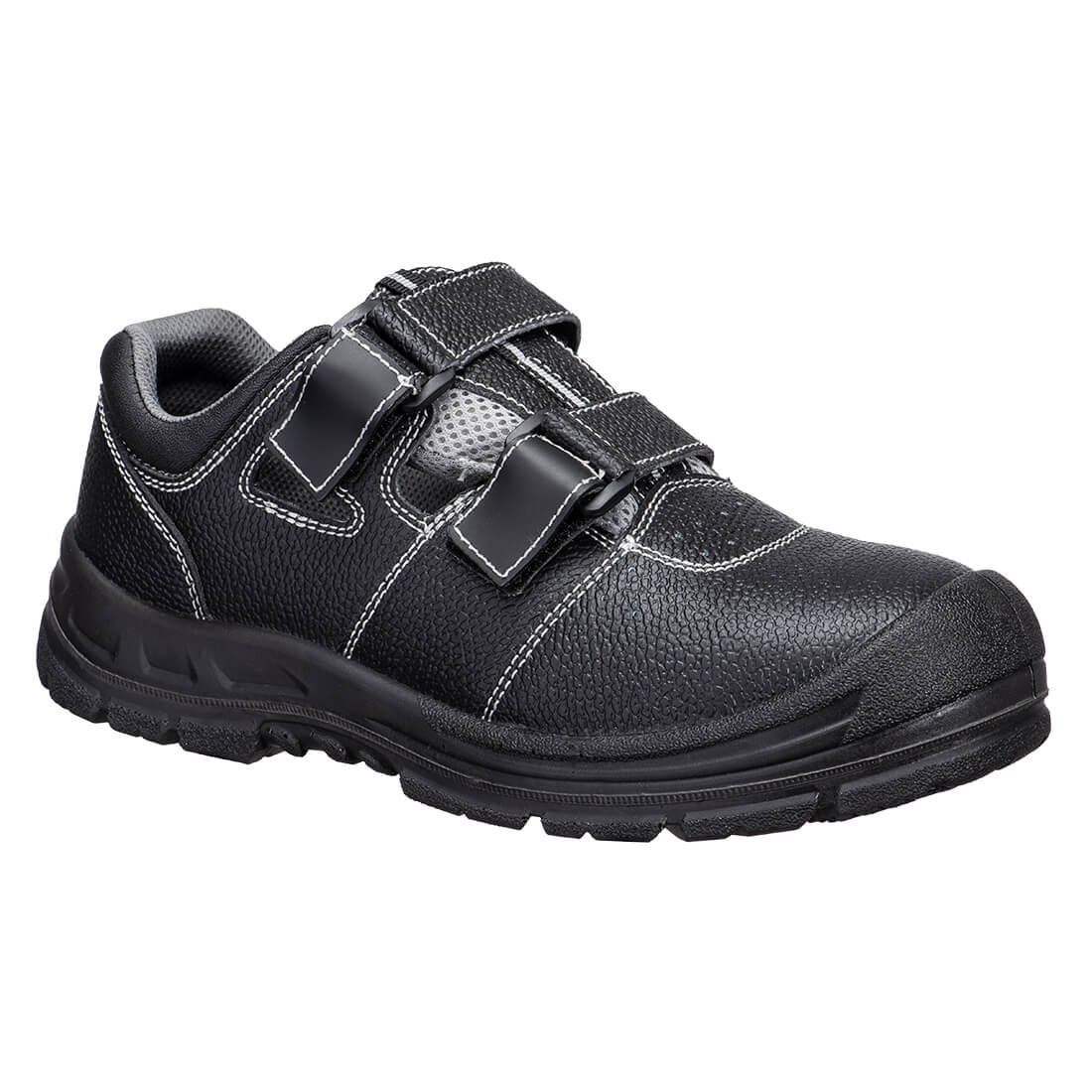
FS70 - Work Shoe Composite Sandal S1P SR FO - Portwest - Black/GreySafety shoe Composite Sandal S1P SR FO - Portwest FS70 Portwest
Portwest Composite Safety Sandal S1P SR FO - Portwest FS70
+1
Sale price€22,04 Regular price€27,55
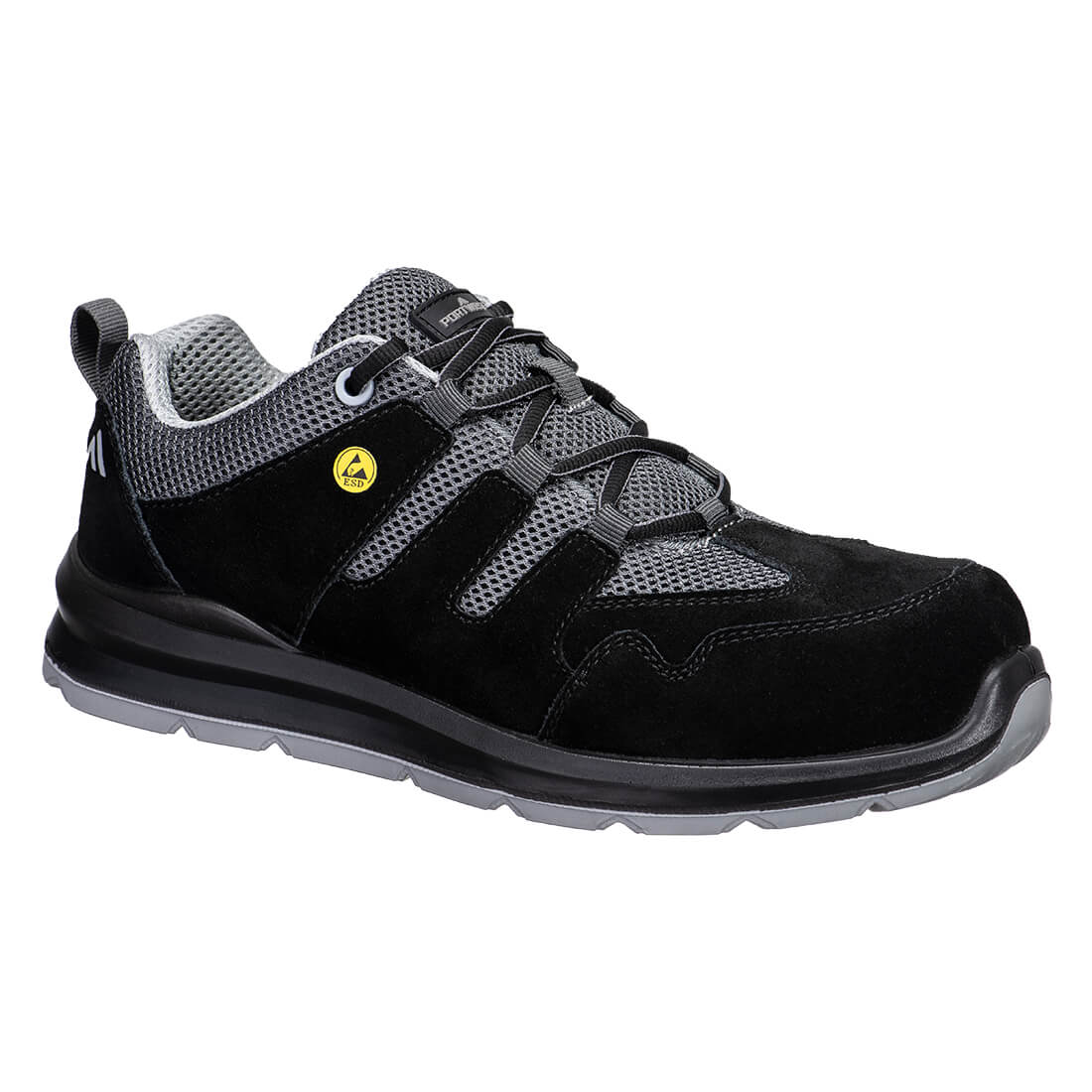
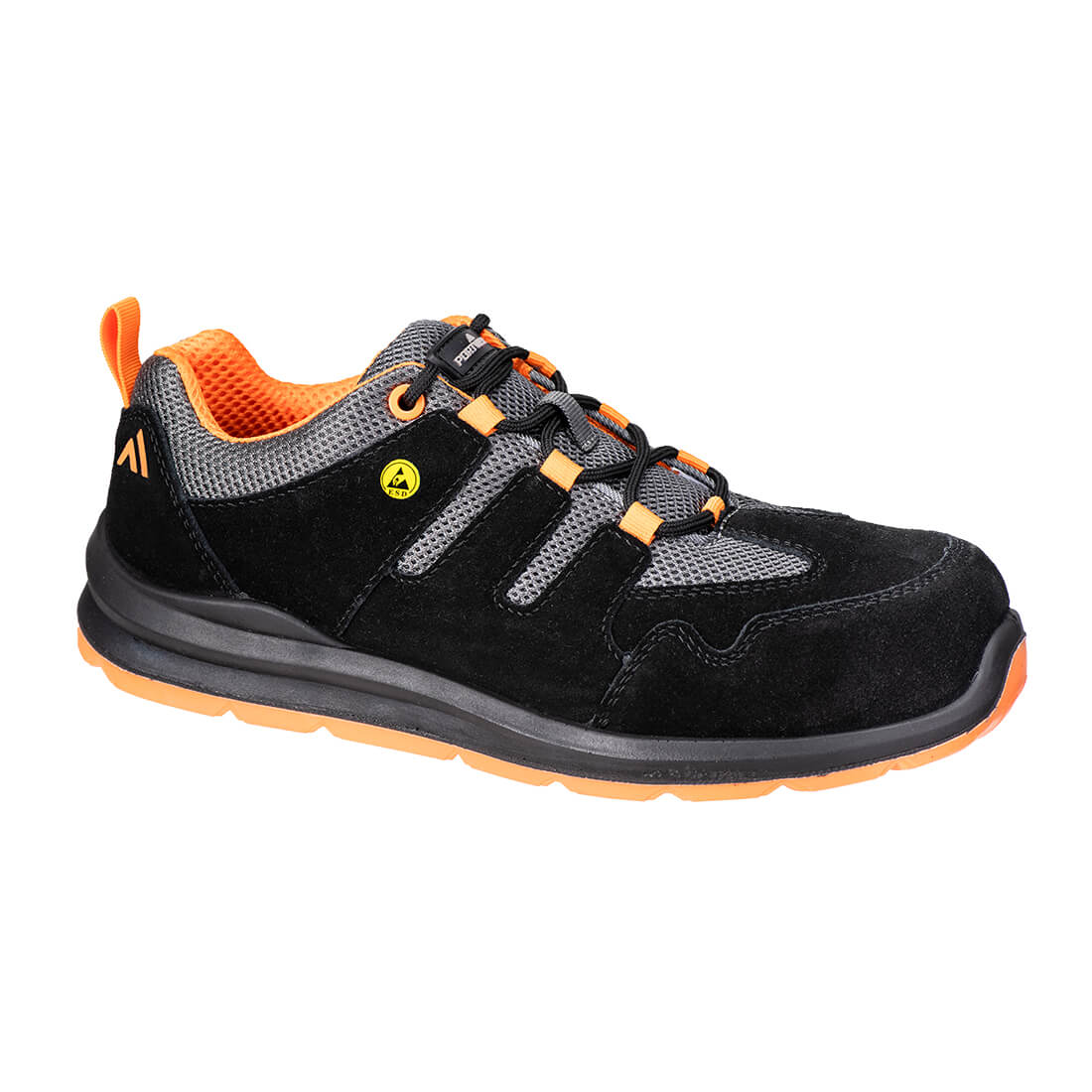
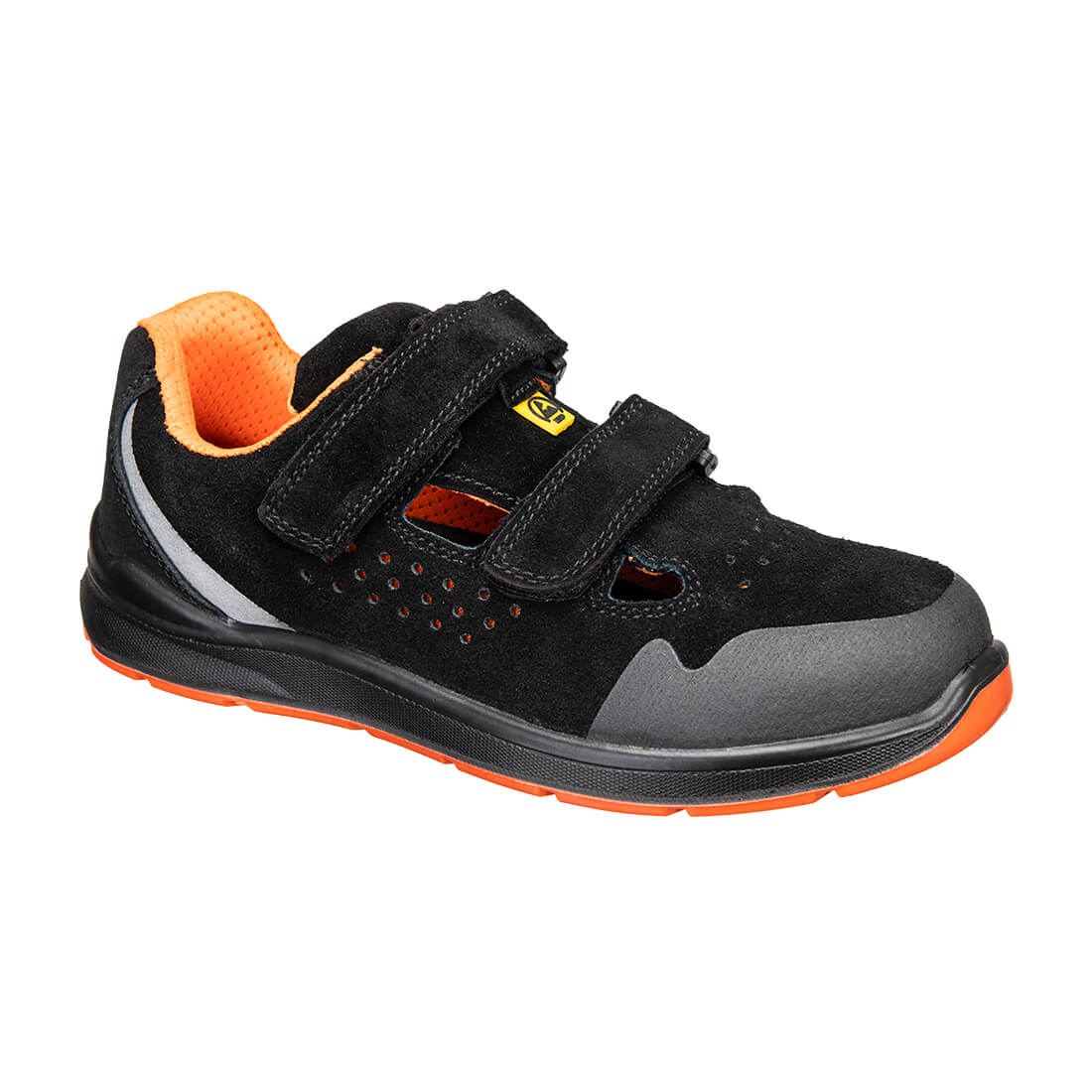
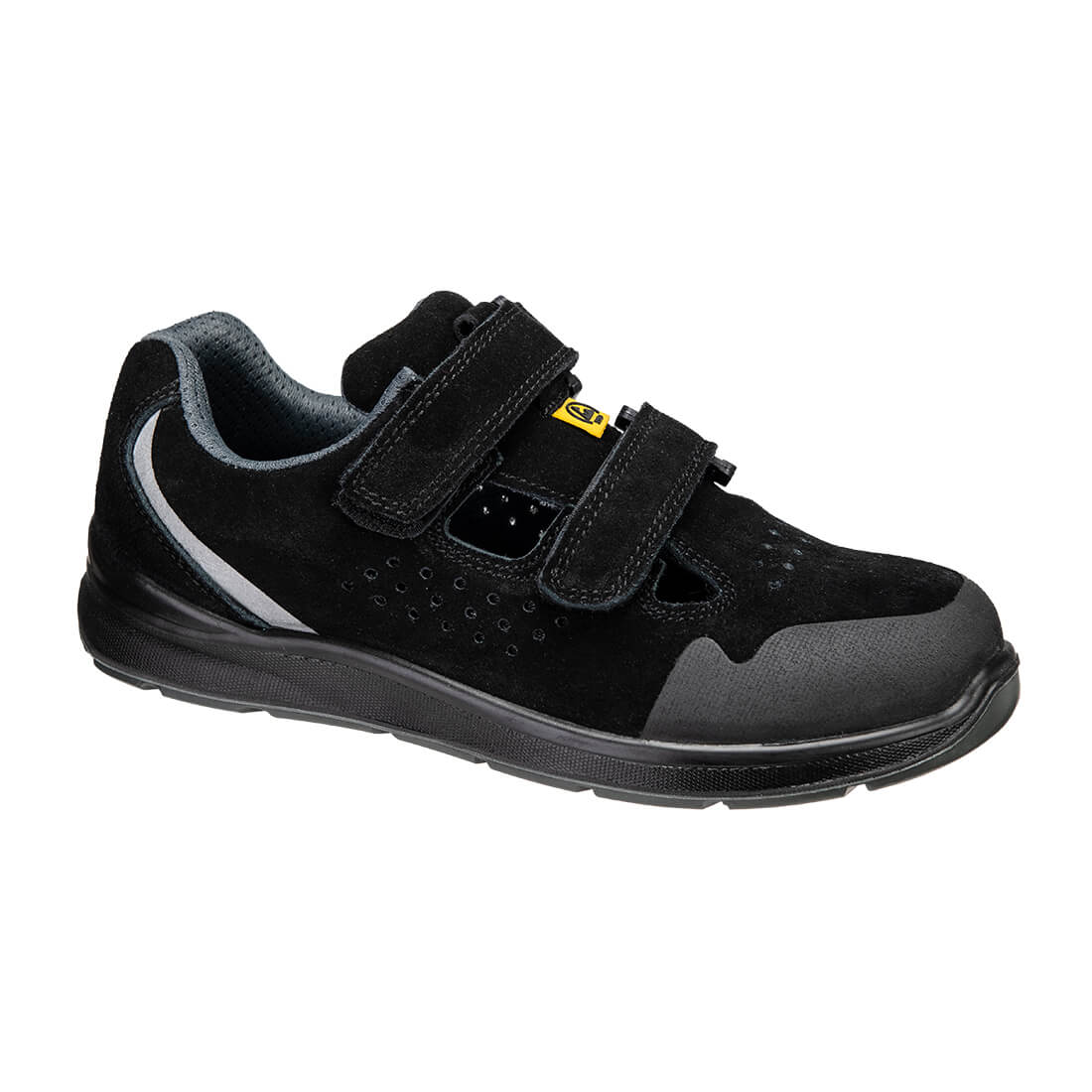
FE07 - Composite Work Sandal S1 ESD SR FO - Portwest - Black/GreyFE07 - Composite Work Sandal S1 ESD SR FO - Portwest - Black/Orange
Portwest Composite Safety Sandal S1 ESD SR FO - Portwest FE07
+2
+1
Sale price€35,48
Choose options

For warm workplaces

In a warm hall, a bakery or a warehouse in summer, sweaty feet are no small thing: they lead to blisters, fungus and shoes that come off at moments when that's not allowed. A safety sandal with an open upper and a protective toe cap is then a practical solution.

Mind what a sandal doesn't do

The open upper offers no protection against splashes, sparks or falling objects on the instep. In a welding environment, with chemicals or outdoors in the rain, a closed low shoe is the right choice. Also check the class: from S1 upward the heel section must be closed.

Frequently asked questions

Are safety sandals really safe?

They have the same protective toe cap and often a penetration-resistant sole too, so for those risks, yes. What they don't offer is protection against splashes, sparks and falling material on the side or top of the foot. In a welding environment or where liquids are handled, they're therefore not suitable.

Why do safety sandals need a closed heel?

A sandal with only a heel strap falls under the lightest version. For classes from S1 upward, a closed heel section is required, because otherwise your foot can slide out of the shoe at the exact moment things go wrong. So check the class on the label, not just the model.

What is the difference between an antistatic and an ESD sandal?

An antistatic sandal discharges static electricity within a wide range and mainly protects the wearer. An ESD sandal is calibrated more precisely, so that charge drains away in a controlled manner without damaging sensitive electronics. In a protected ESD zone, an ESD sandal is therefore required. Three of the five sandals in this collection are ESD-suitable.

Which socks are best to wear in safety sandals?

Wear thin, breathable socks that wick moisture well, for example with some cotton or merino wool. They keep your feet dry and prevent chafing against the straps. Choose socks without thick seams at the toes, so they do not press under the protective toe cap. You can find an overview at our work socks.

May I wear safety sandals in the food industry?

Yes, in many cases, as long as your employer's hygiene requirements allow it and there is no risk of hot liquids or heavy splashes. The sandals are light and easy to keep clean. If you work in wet areas or with cleaning agents, a closed shoe or boot is usually mandatory.

Is your question not listed? Ask our specialists.

Recently viewed