Safety shoes S4

3 products

Showing 1 - 3 of 3 products

Showing 1 - 3 of 3 products
View

When do you need an S4 boot?

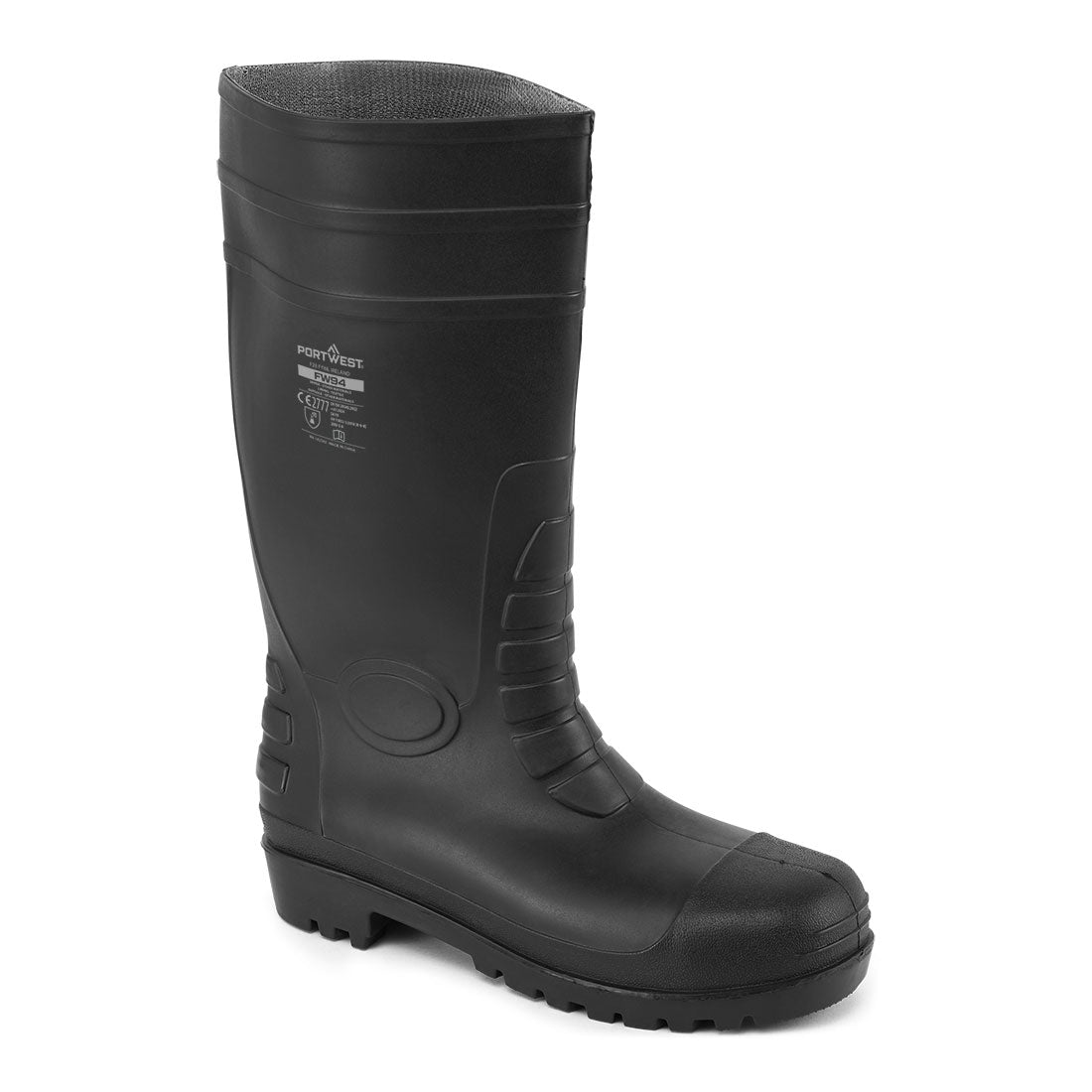
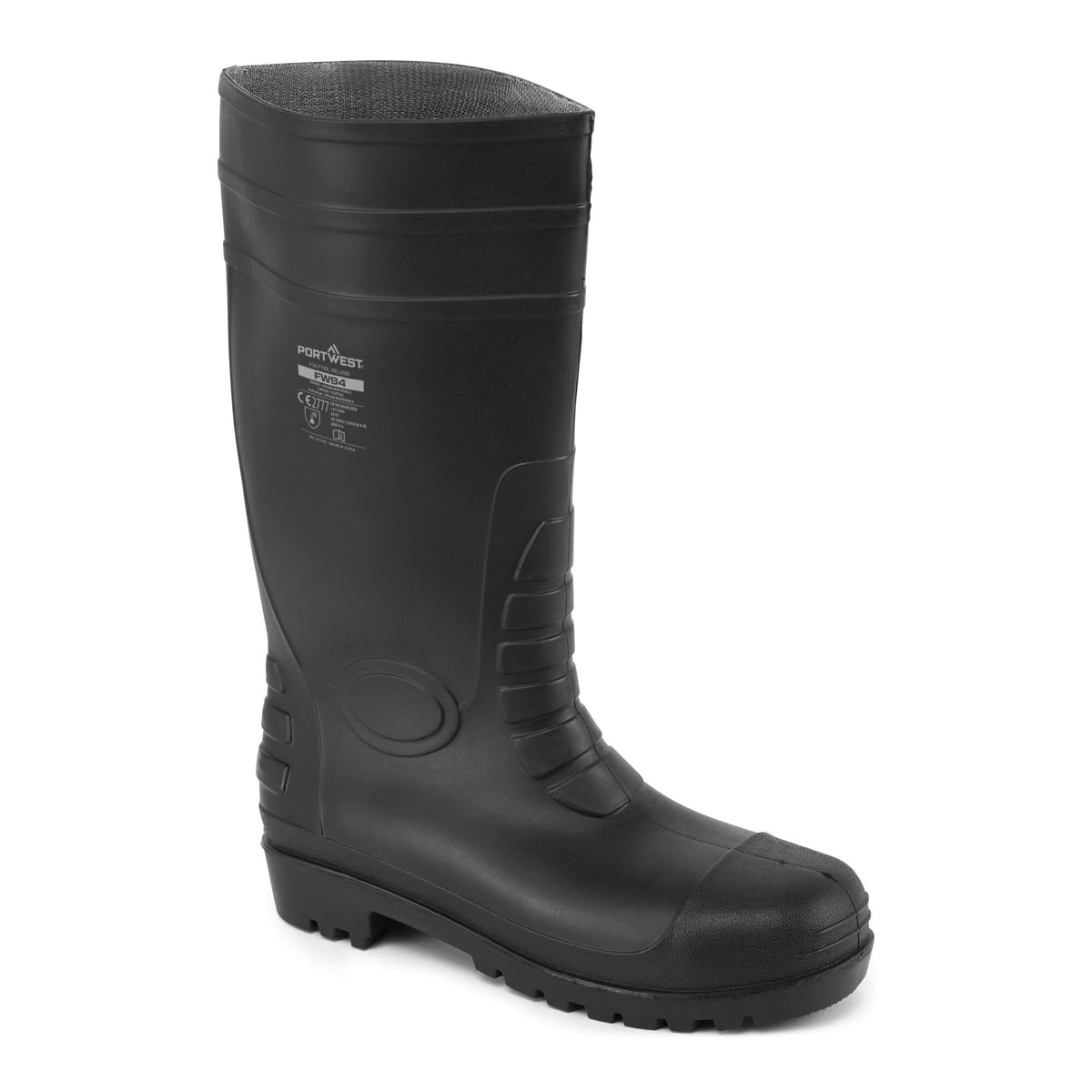
Once your feet are actually standing in water, no leather shoe keeps them dry. An S4 boot is moulded from a single piece of rubber or PVC and is therefore fully waterproof, with a protective toe cap against 200 joules. Typical work: rinsing and cleaning, agricultural work, fish processing and temporary work in flooded spaces.

Rubber, PVC and comfort

Rubber is more supple, warmer and more pleasant for long days; PVC is more affordable and resistant to many chemicals. Always wear moisture-wicking socks and let the boots dry at room temperature after use. If there's also shards or nails on your work site, choose an S5 boot with a penetration-resistant sole.

Frequently asked questions

What's the difference between S4 and S5?

Both are fully waterproof rubber or PVC boots with a protective toe cap, anti-static construction and energy-absorbing heel. S5 additionally has a penetration-resistant sole and a profiled outsole. If you work in terrain where nails or shards could be lying around, S5 is the right choice.

Are rubber or PVC boots better?

Rubber is more supple, more comfortable to wear over long days and better resistant to cold. PVC is cheaper and resistant to many chemicals. If you work with specific substances, check the chemical resistance of the material before choosing.

What do the codes FO and CI on an S4 boot mean?

FO means the outsole is resistant to oil and fuel, so it does not swell or soften. CI stands for cold insulation: the sole has been tested for how well it protects your foot against a cold surface. All three boots in this collection have both FO and CI.

Are S4 boots suitable for the food industry?

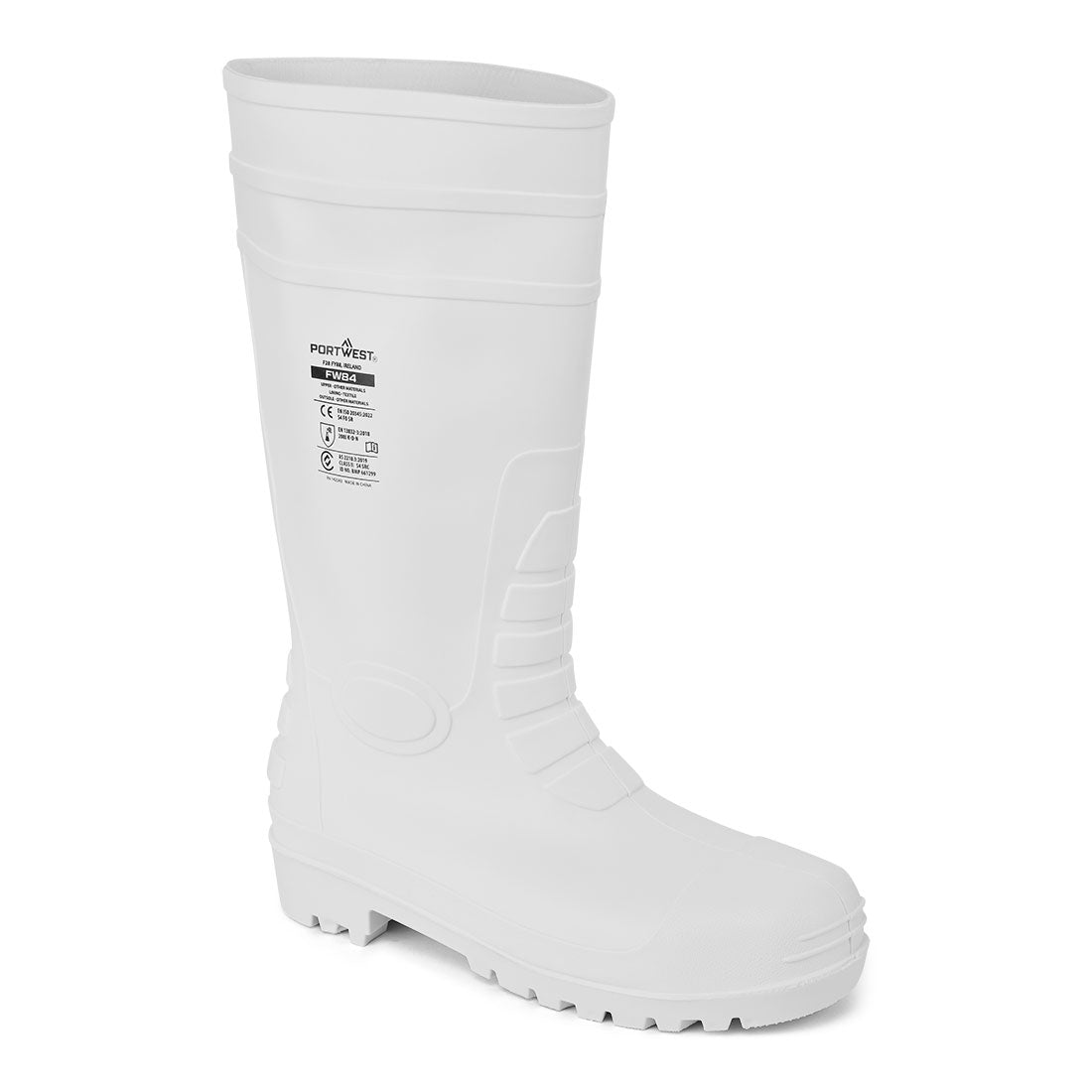
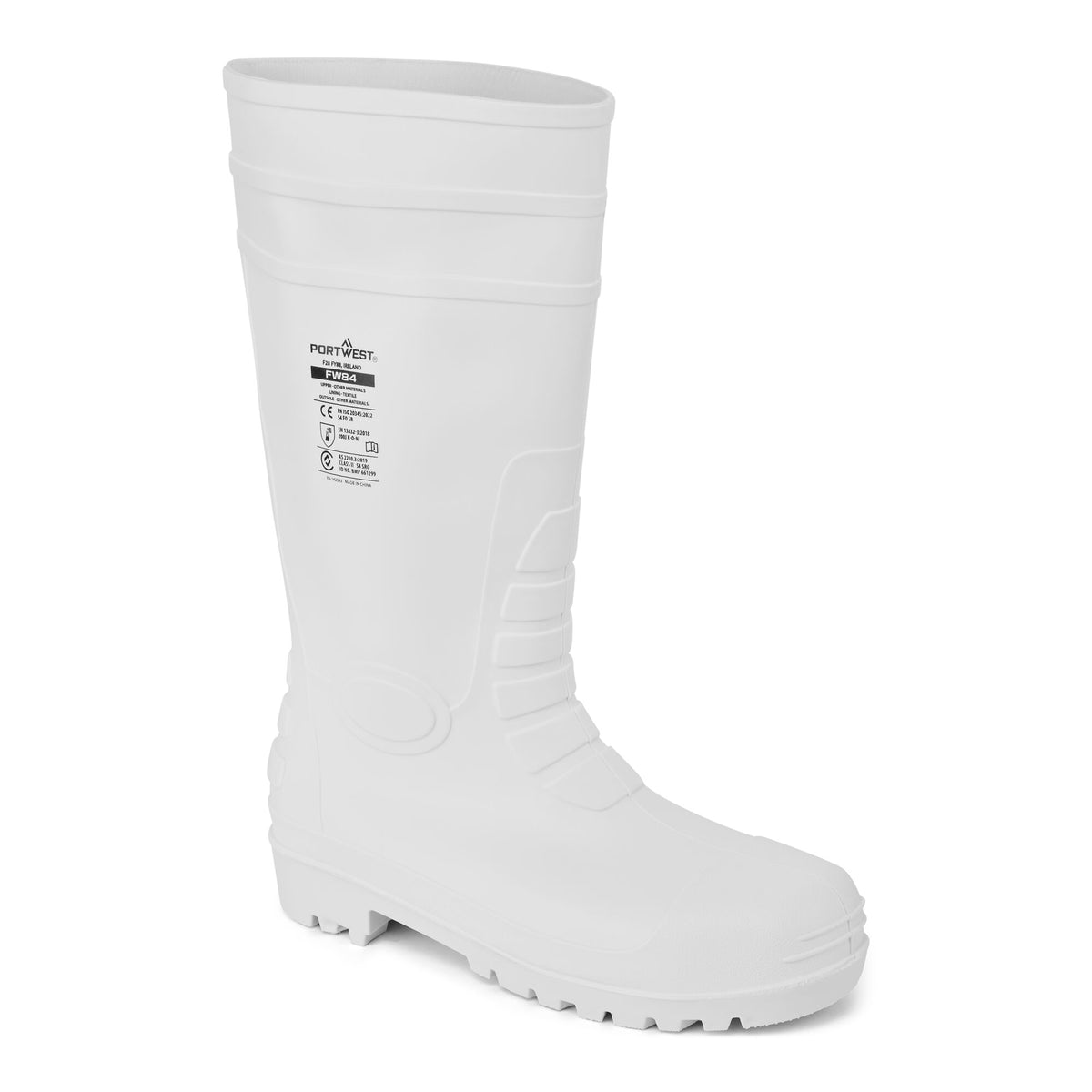
Yes, two of the three boots in this collection are specifically intended for the food sector. They are made for hygienic work and are easy to hose clean. If you work in a cold store, the cold insulation of the sole helps keep your feet warmer.

How do I clean S4 boots?

Hose off dirt after every shift with lukewarm water and, if necessary, a mild cleaning agent. Do not use aggressive solvents unless the boot has been tested for them. Then let the boots dry upright at room temperature, not on the radiator or in the sun, so the material does not dry out or crack.

Is your question not listed? Ask our specialists.

Recently viewed