ESD (Safety shoes)

22 products

Showing 1 - 22 of 22 products

Showing 1 - 22 of 22 products
View
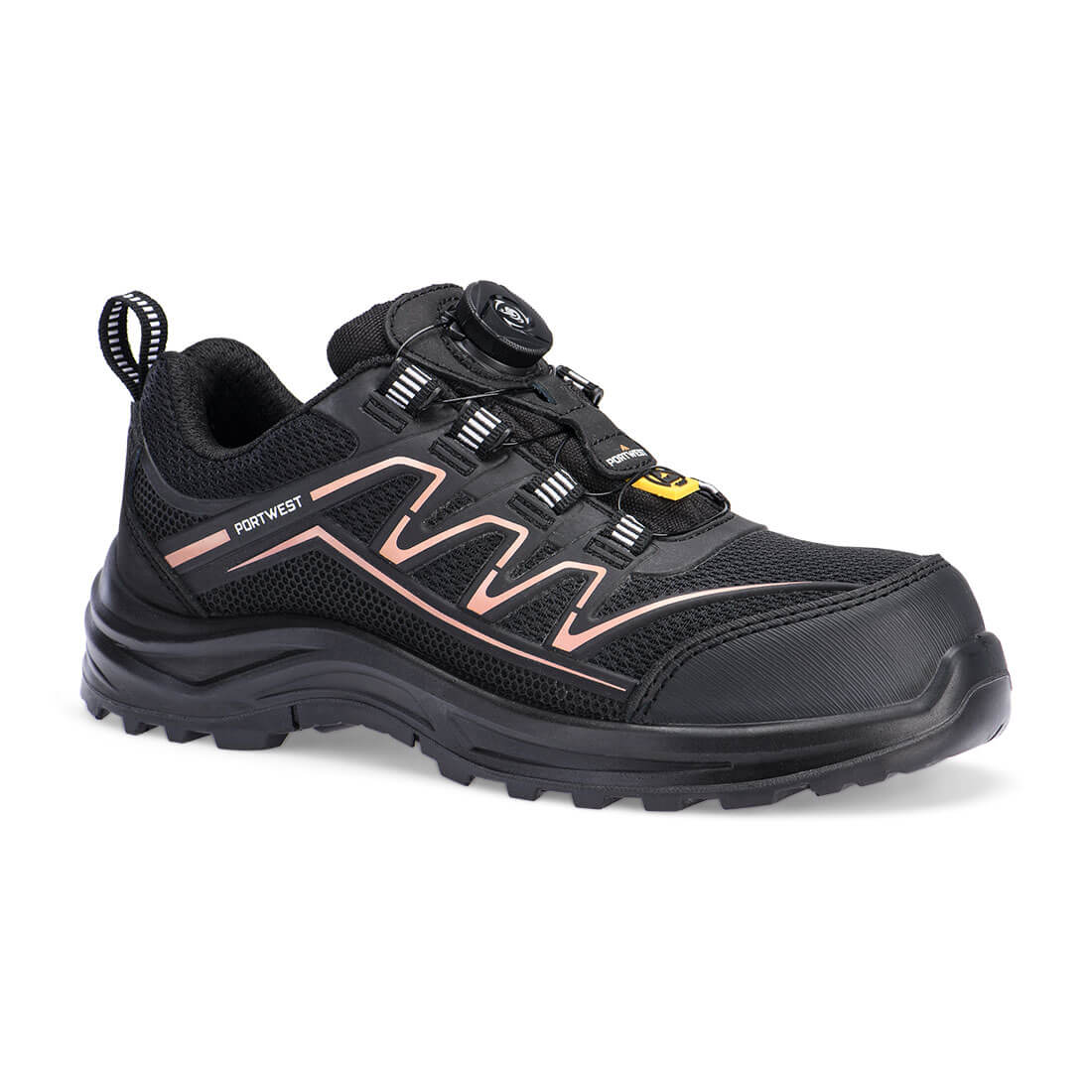
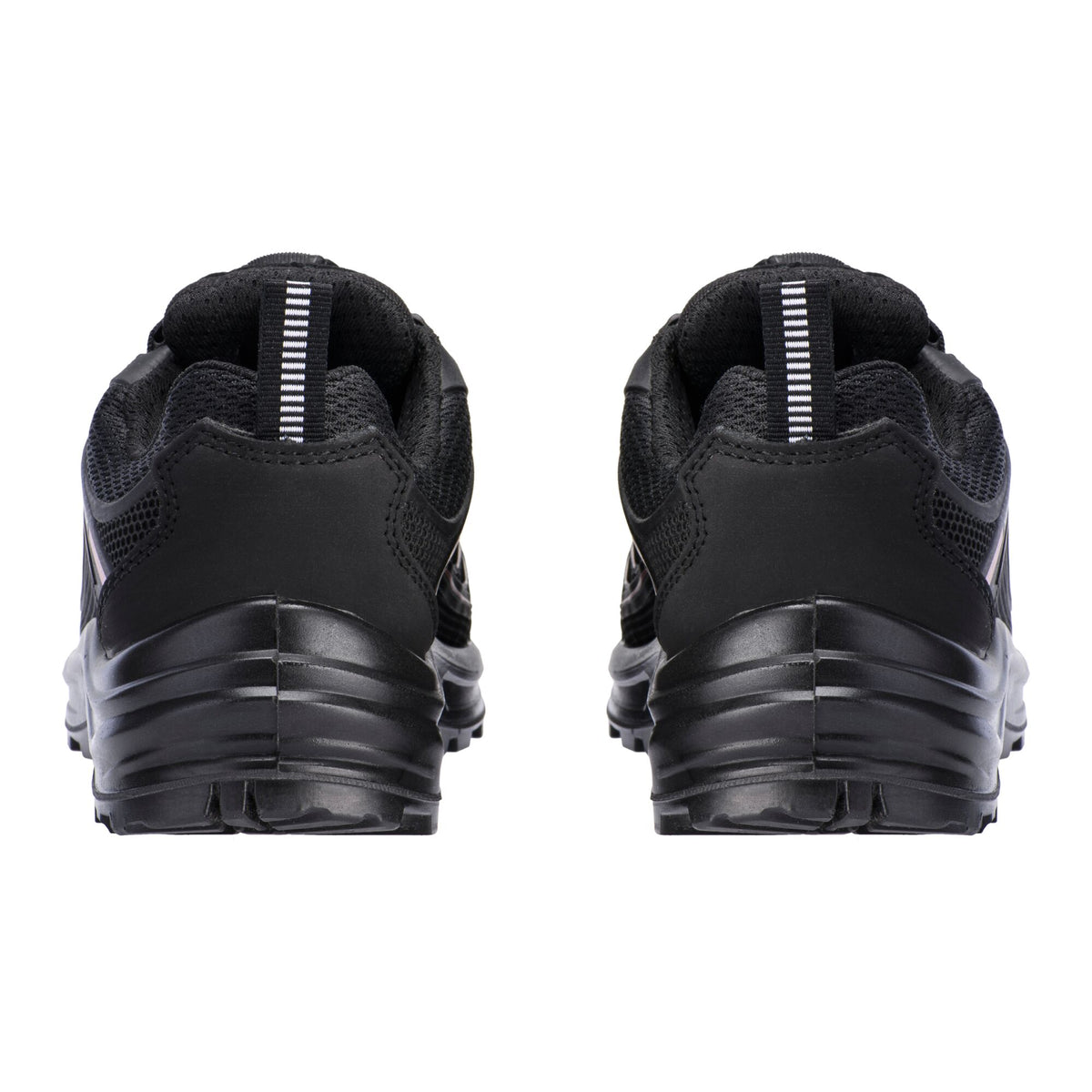
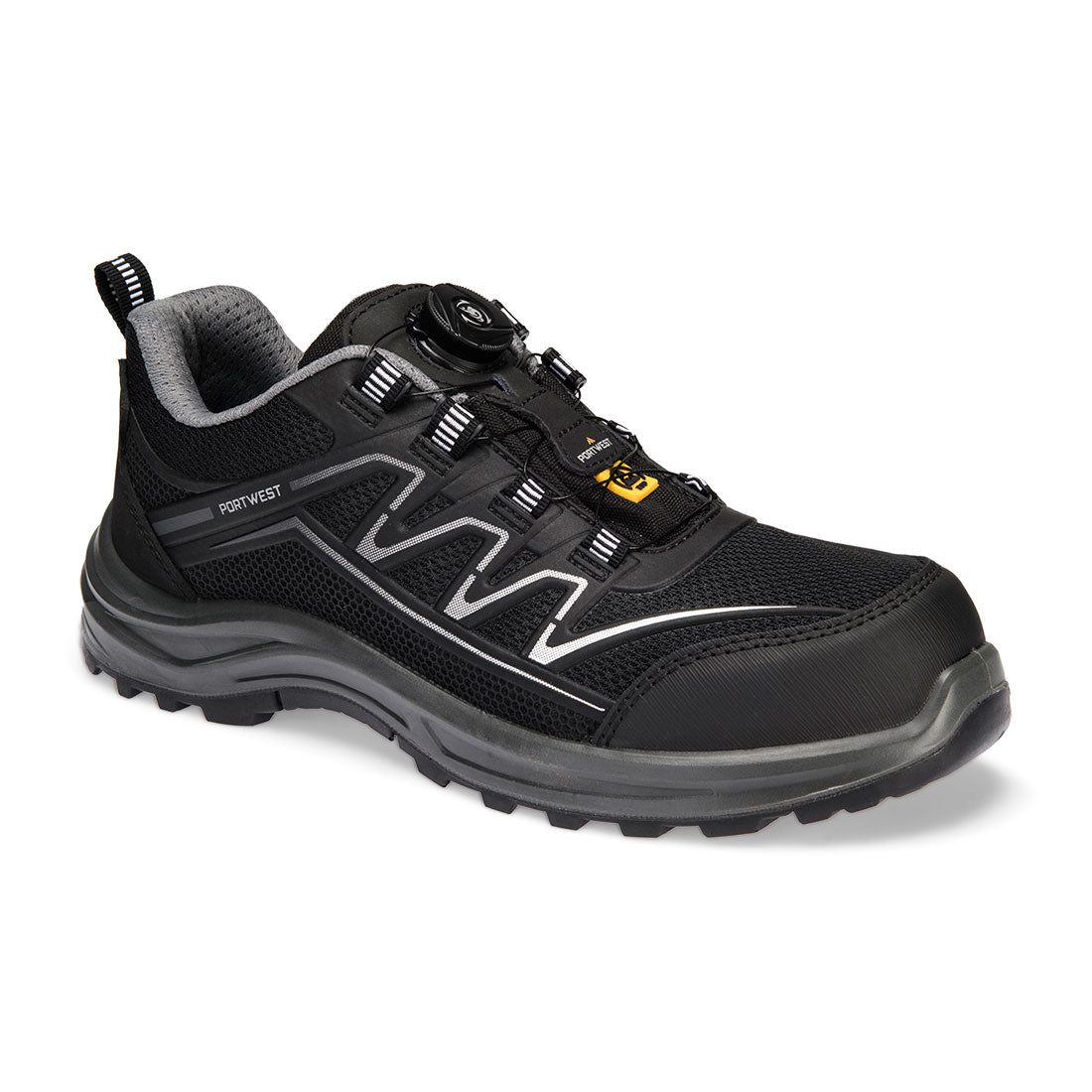
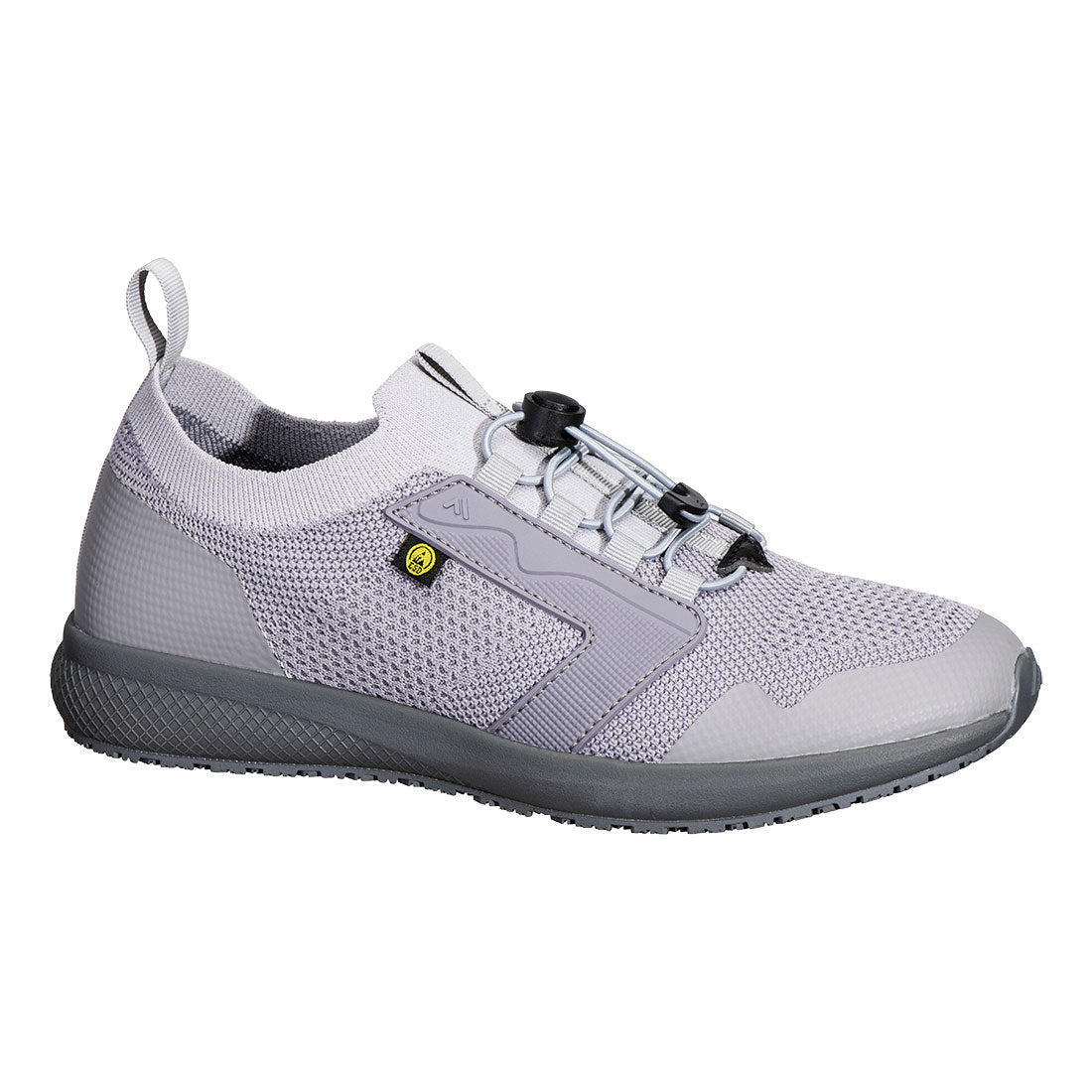
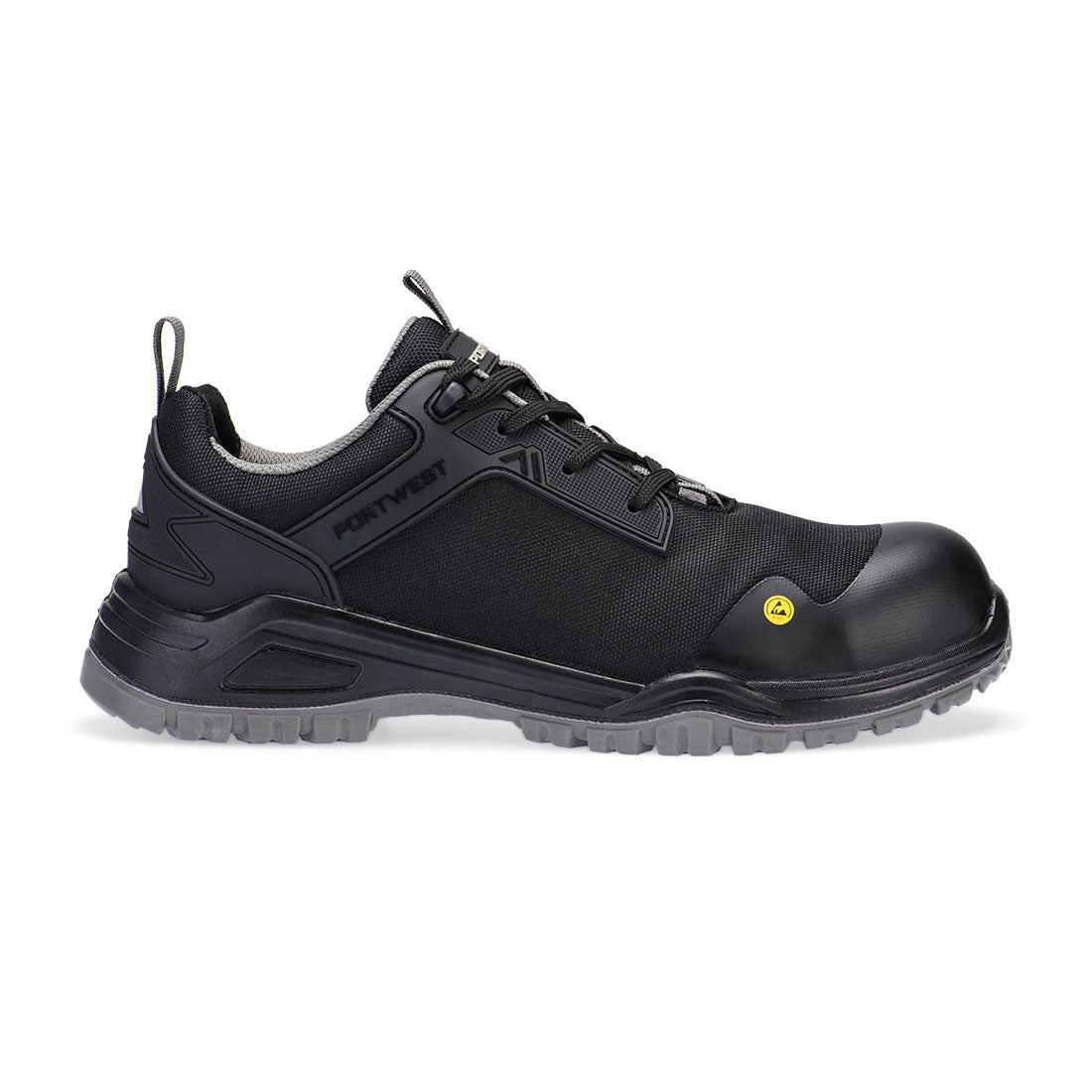
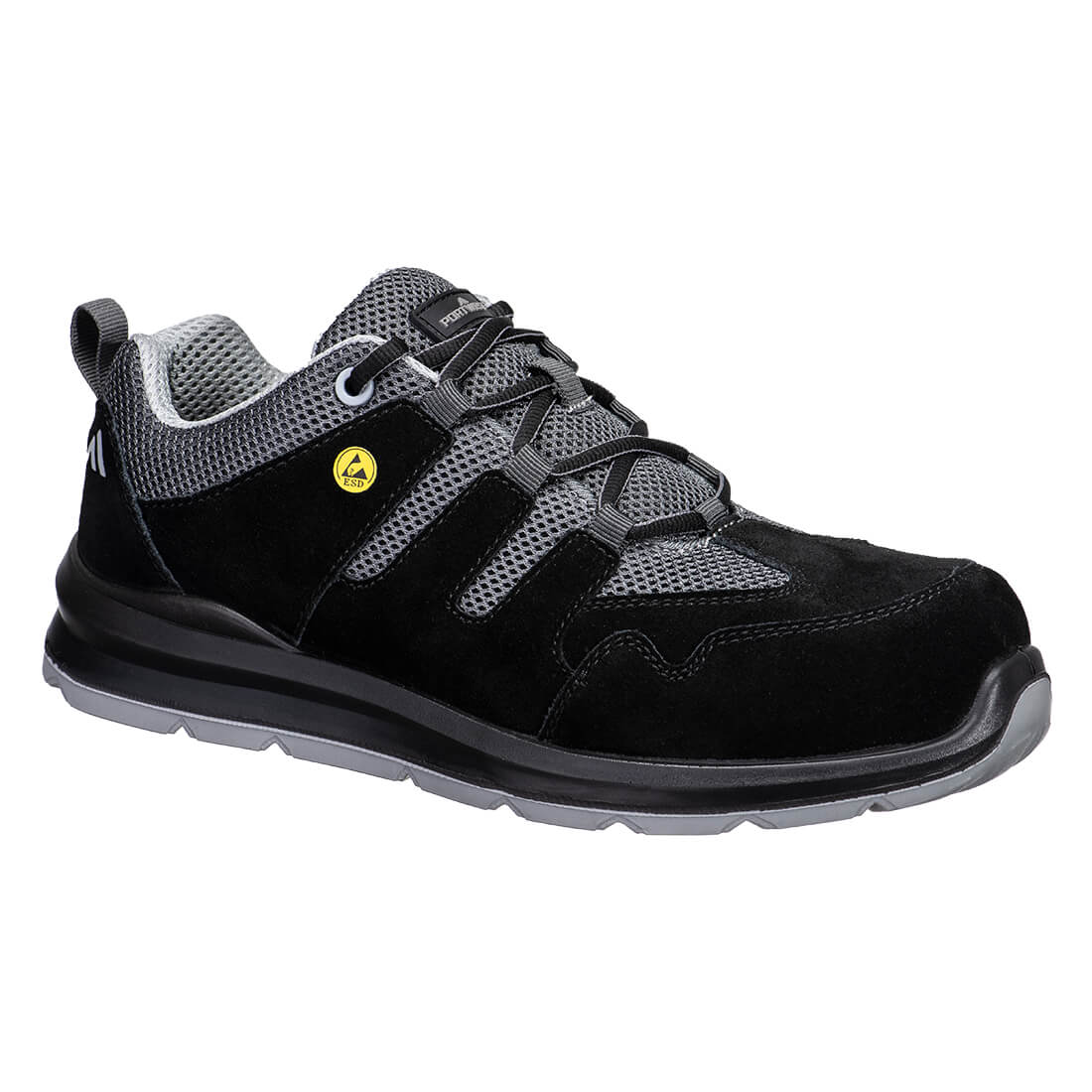
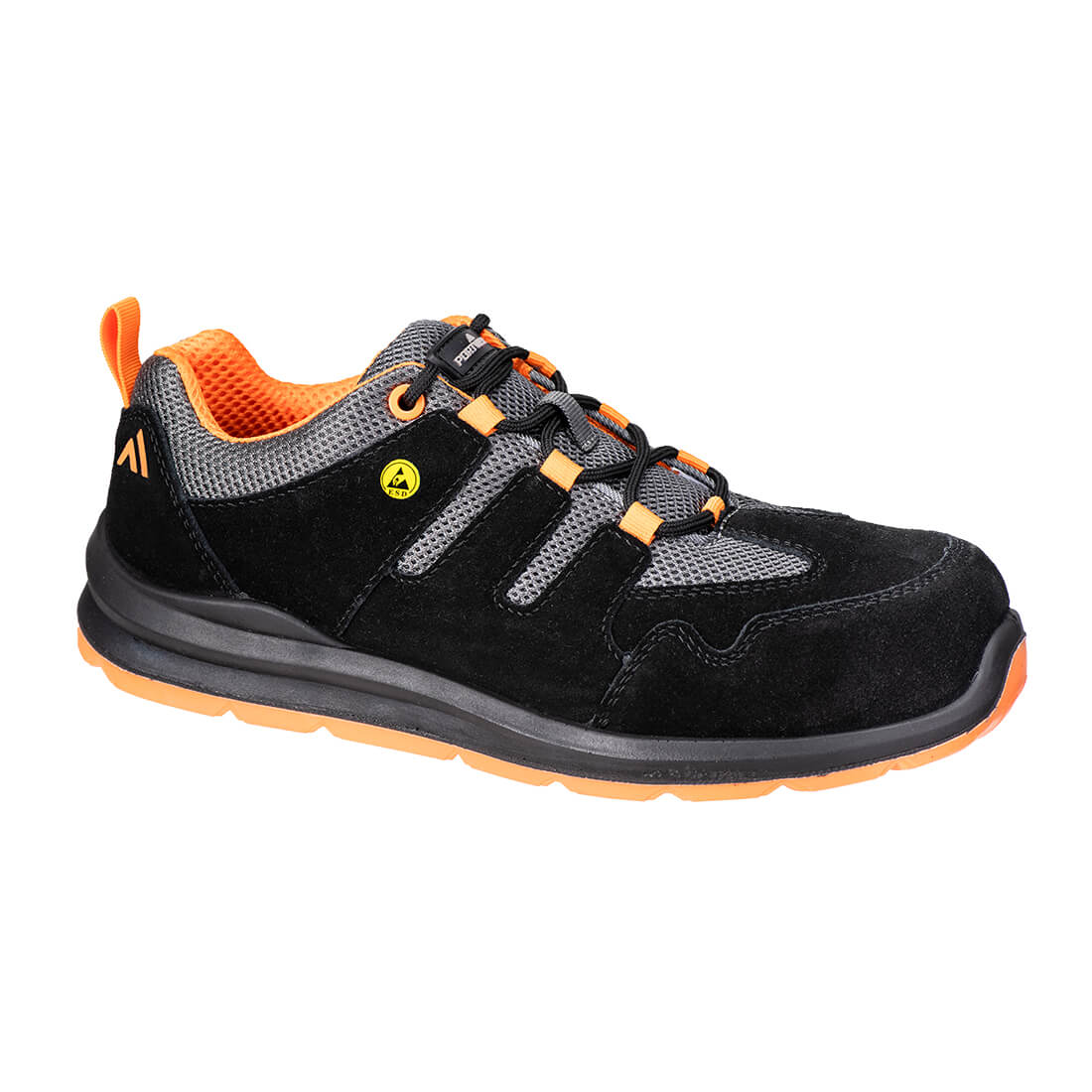
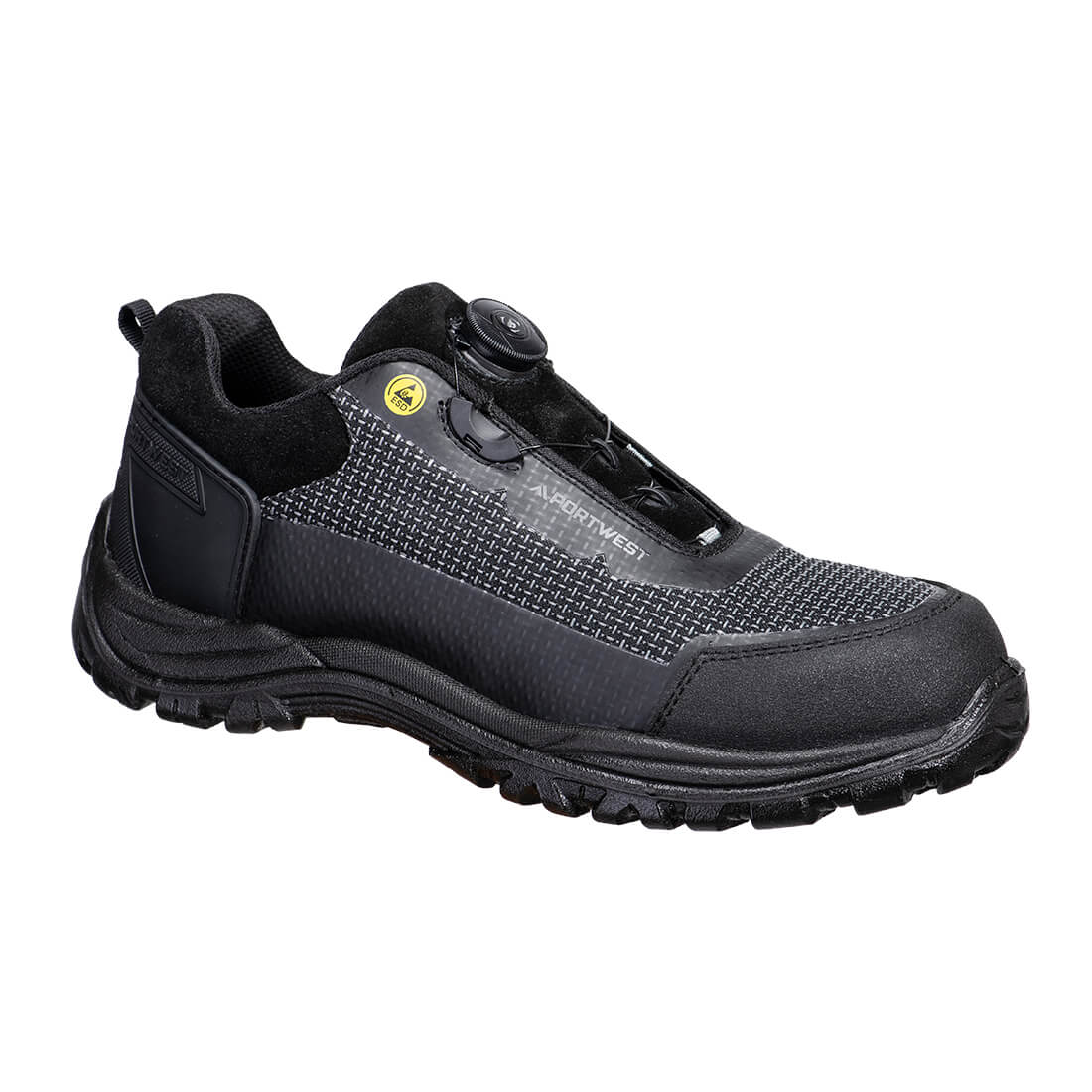
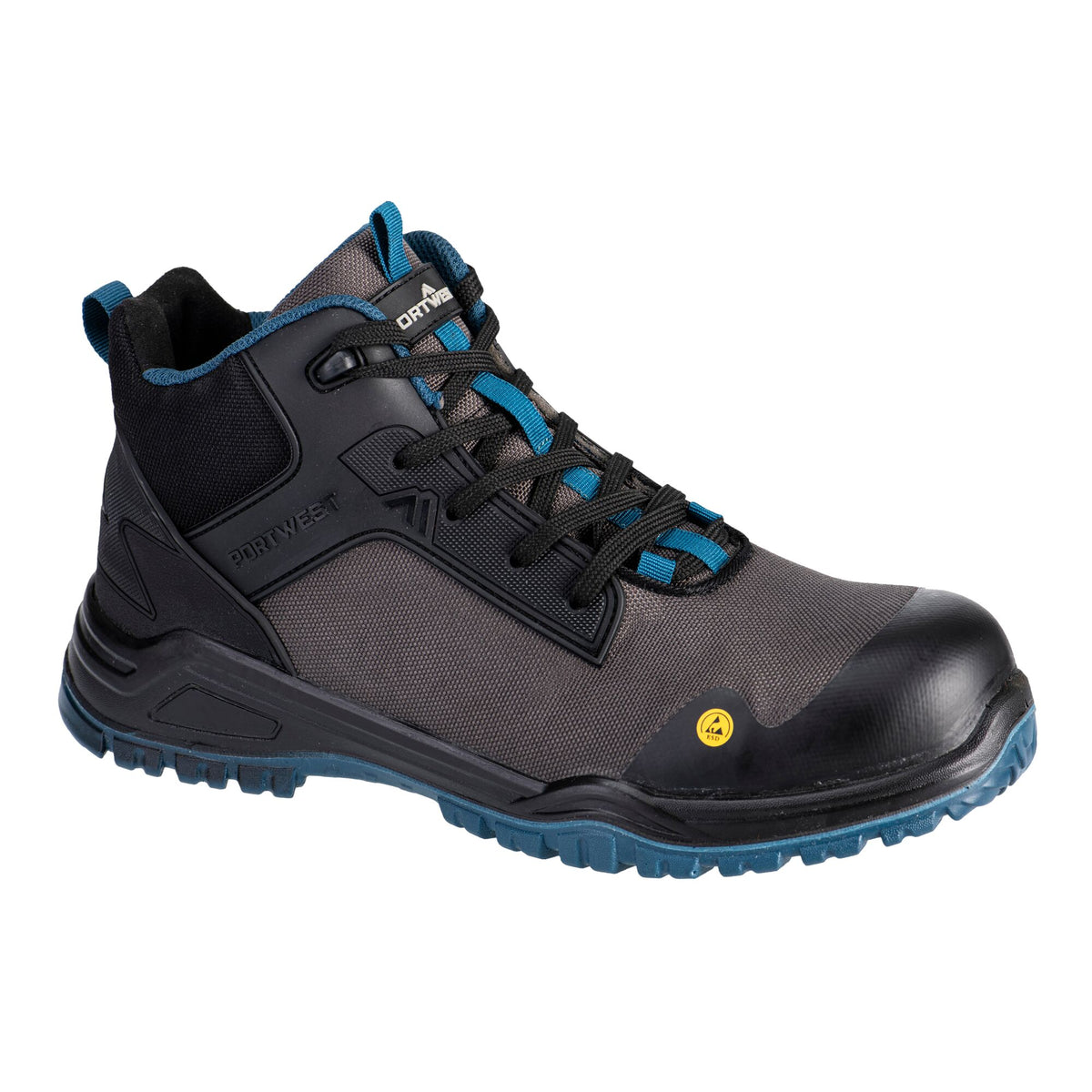
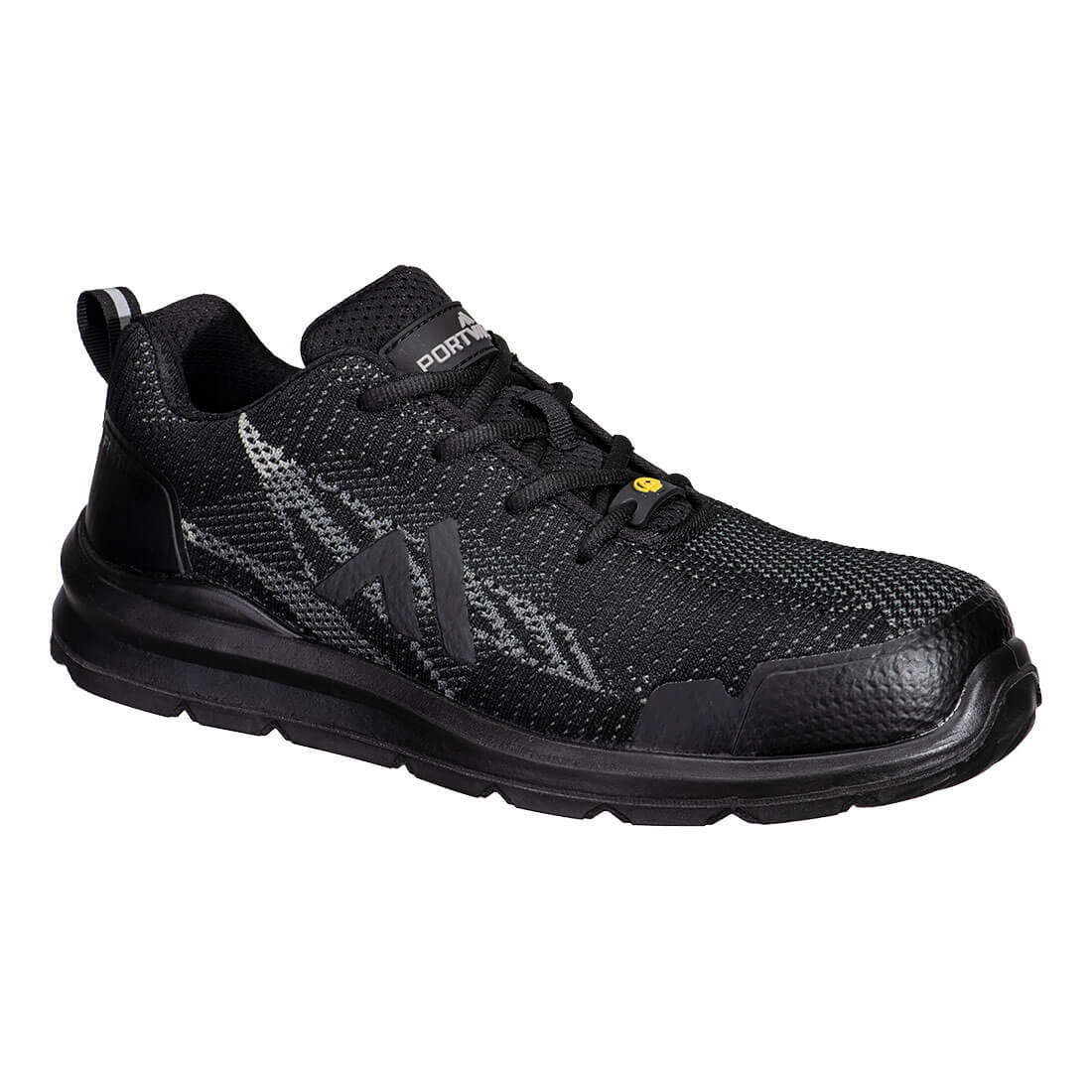
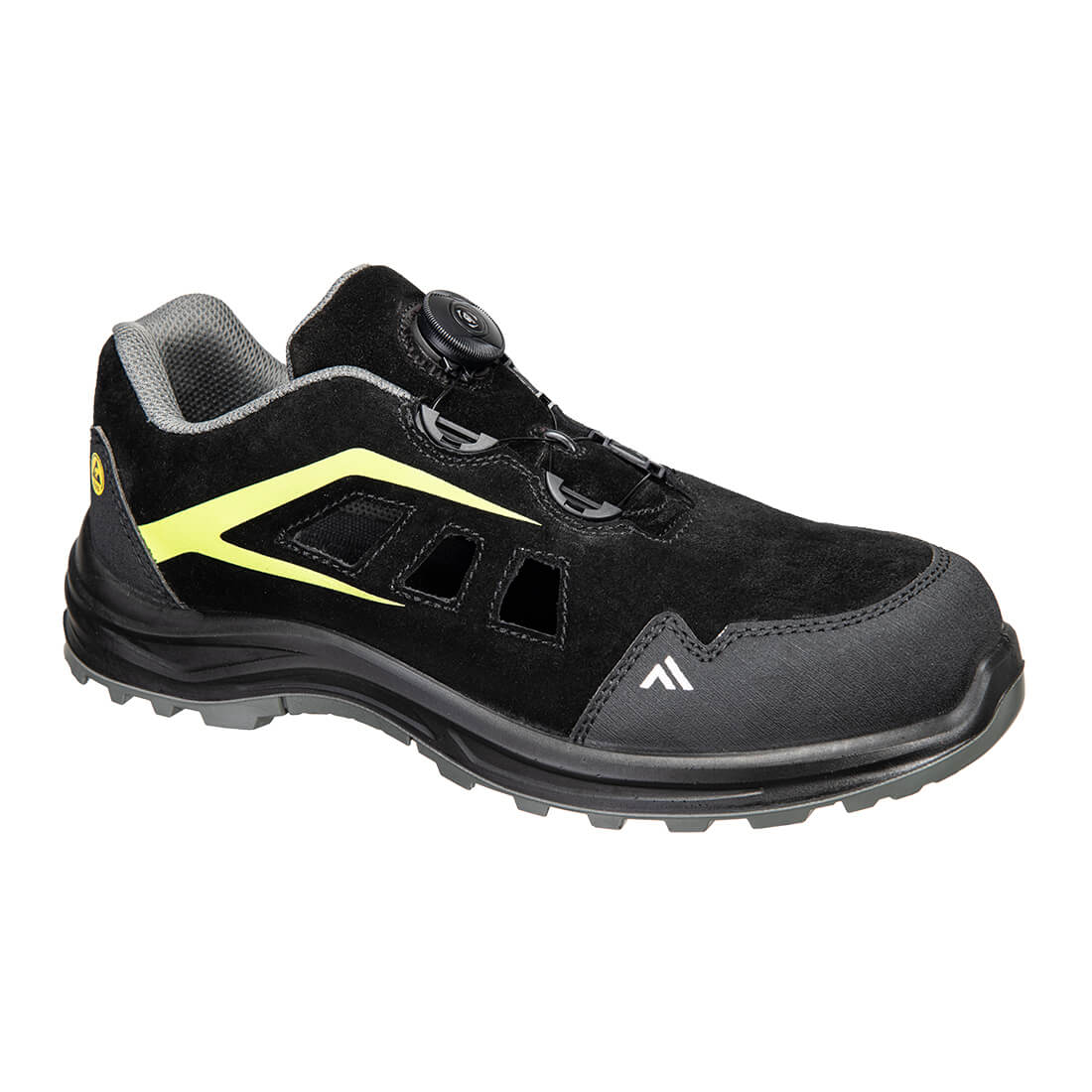
FE11 - Composite Low-Cut Shoe S3S ESD SR FO - Portwest - Black/GreyFE11 - Composite Low-Cut Shoe S3S ESD SR FO - Portwest - Black/Teal
Portwest Composite low-cut shoe S3S ESD SR FO - Portwest FE11
+2
+1
Sale price€50,74
Choose options
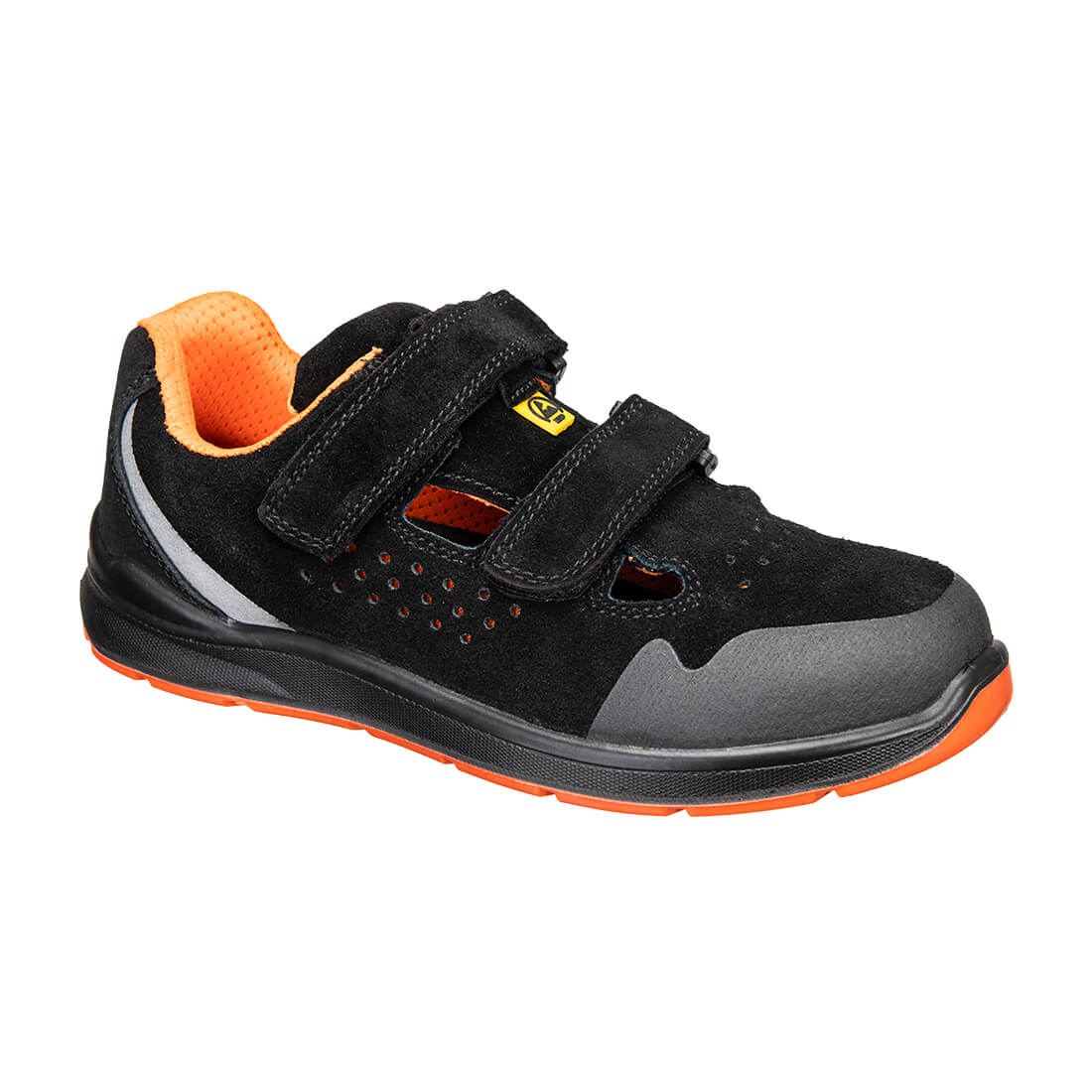
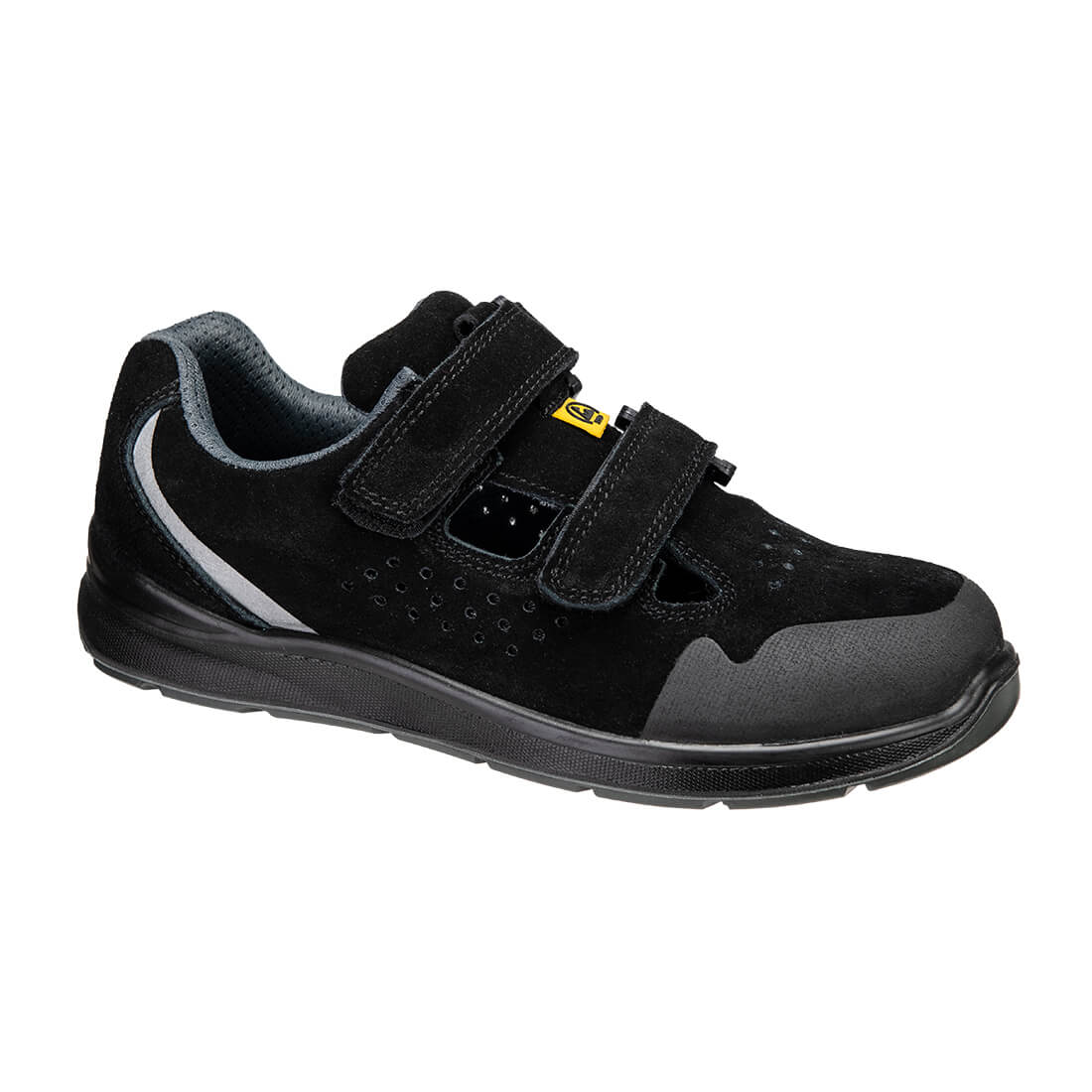
FE07 - Composite Work Sandal S1 ESD SR FO - Portwest - Black/GreyFE07 - Composite Work Sandal S1 ESD SR FO - Portwest - Black/Orange
Portwest Composite Safety Sandal S1 ESD SR FO - Portwest FE07
+2
+1
Sale price€35,48
Choose options
Save 20%
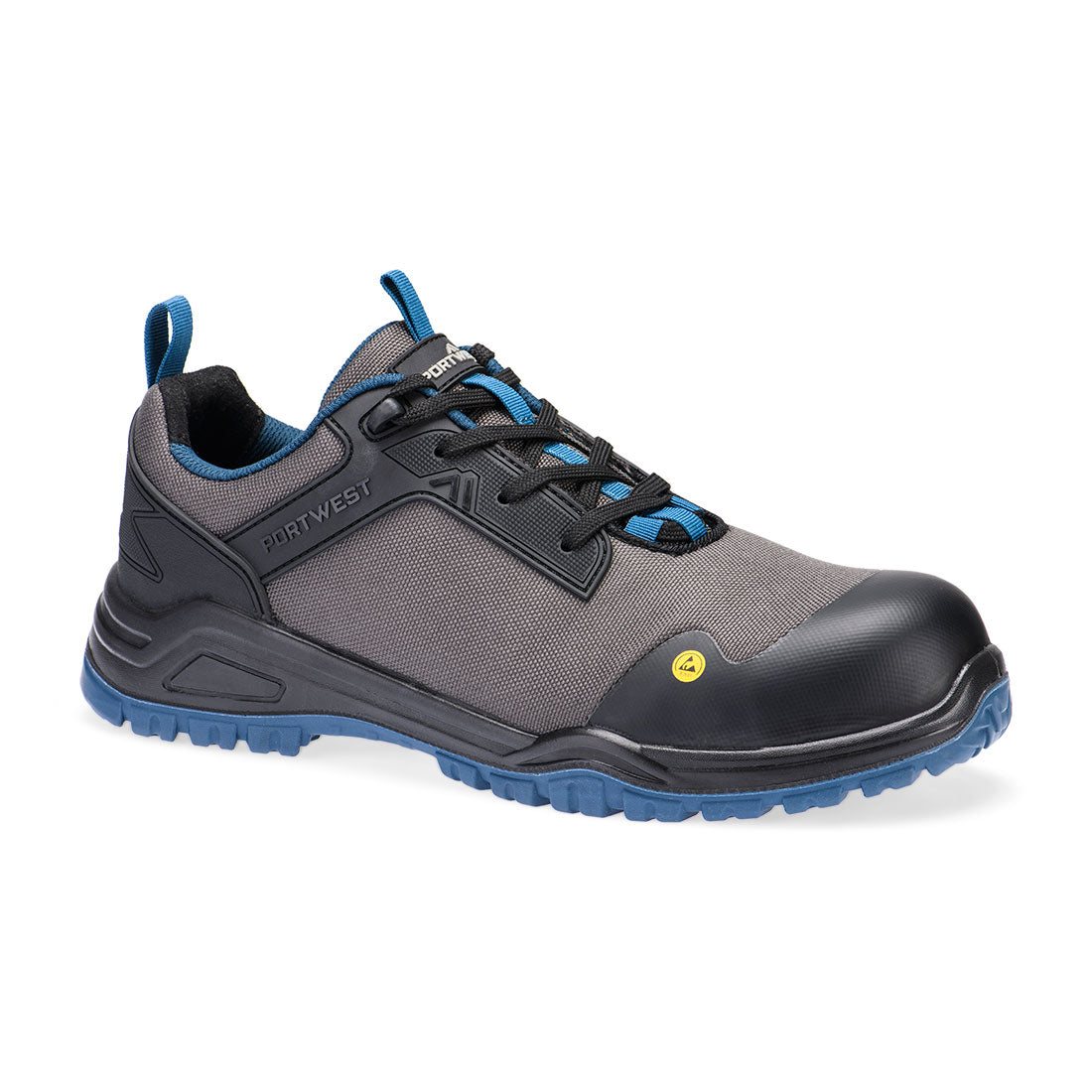
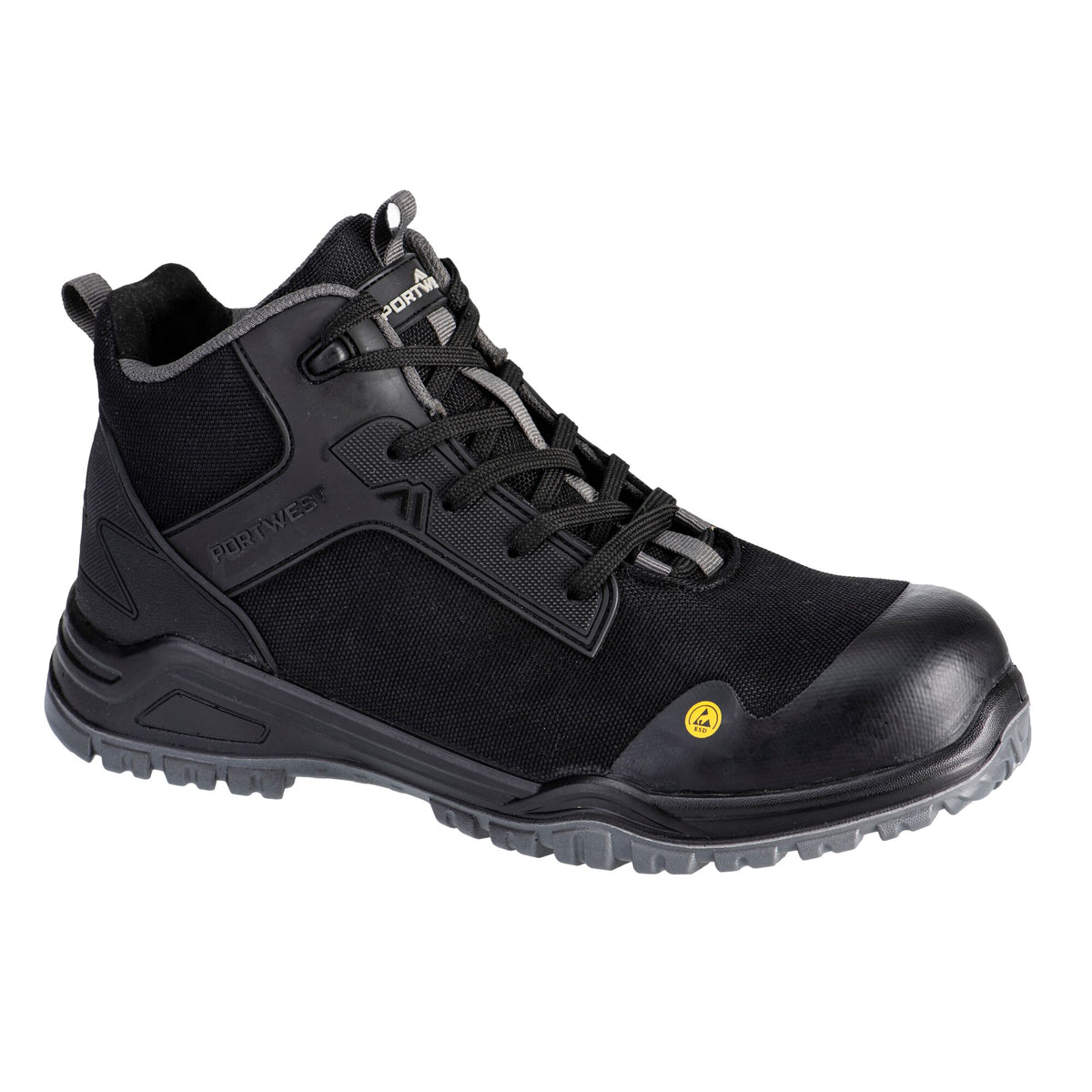
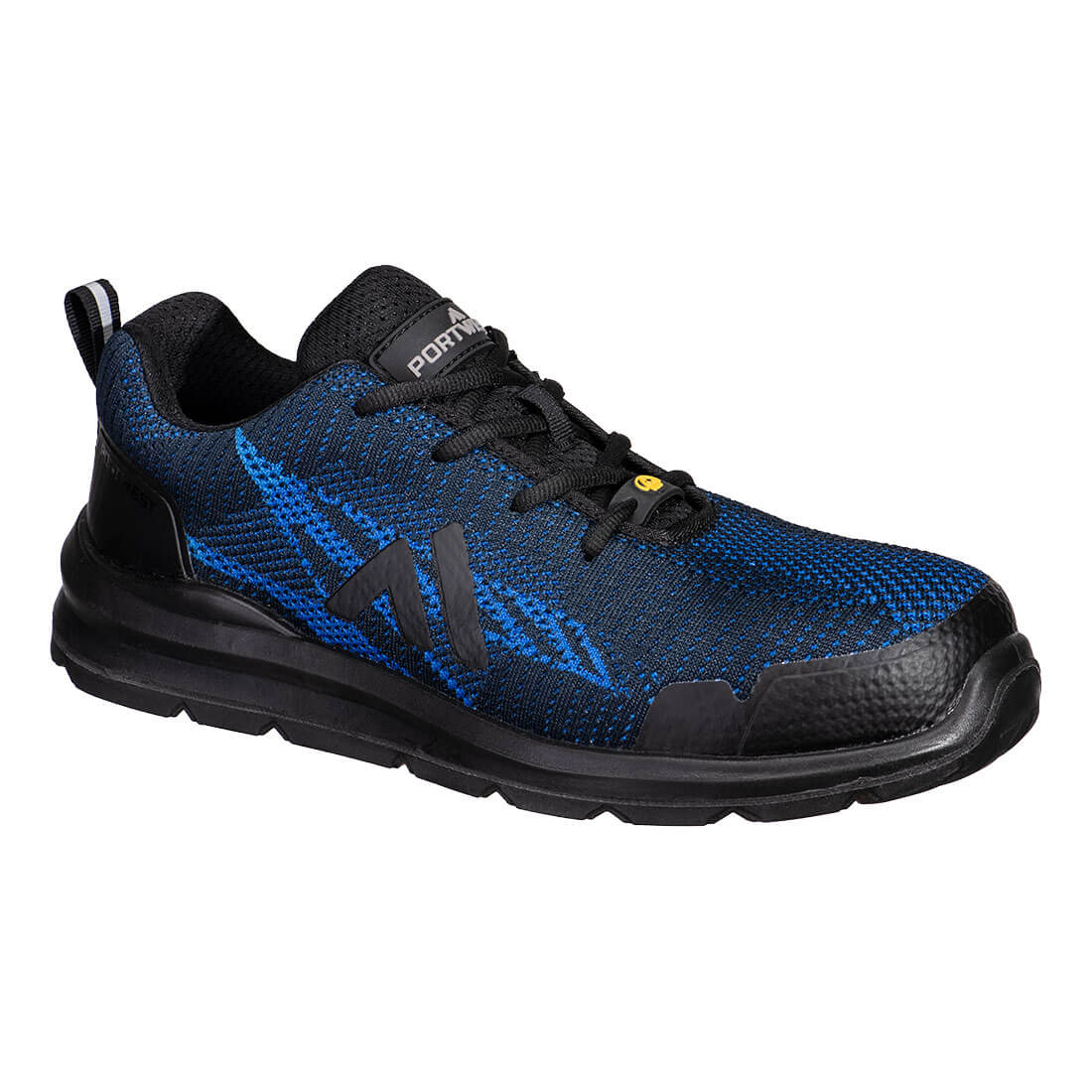
FD27 - Portwest Compositelite Protector Safety Shoe S3 ESD HRO - Portwest - Black/Blue
Portwest Portwest Compositelite Protector Safety Shoe S3 ESD HRO - Portwest FD27
+1
Sale price€46,86 Regular price€58,58
Choose options
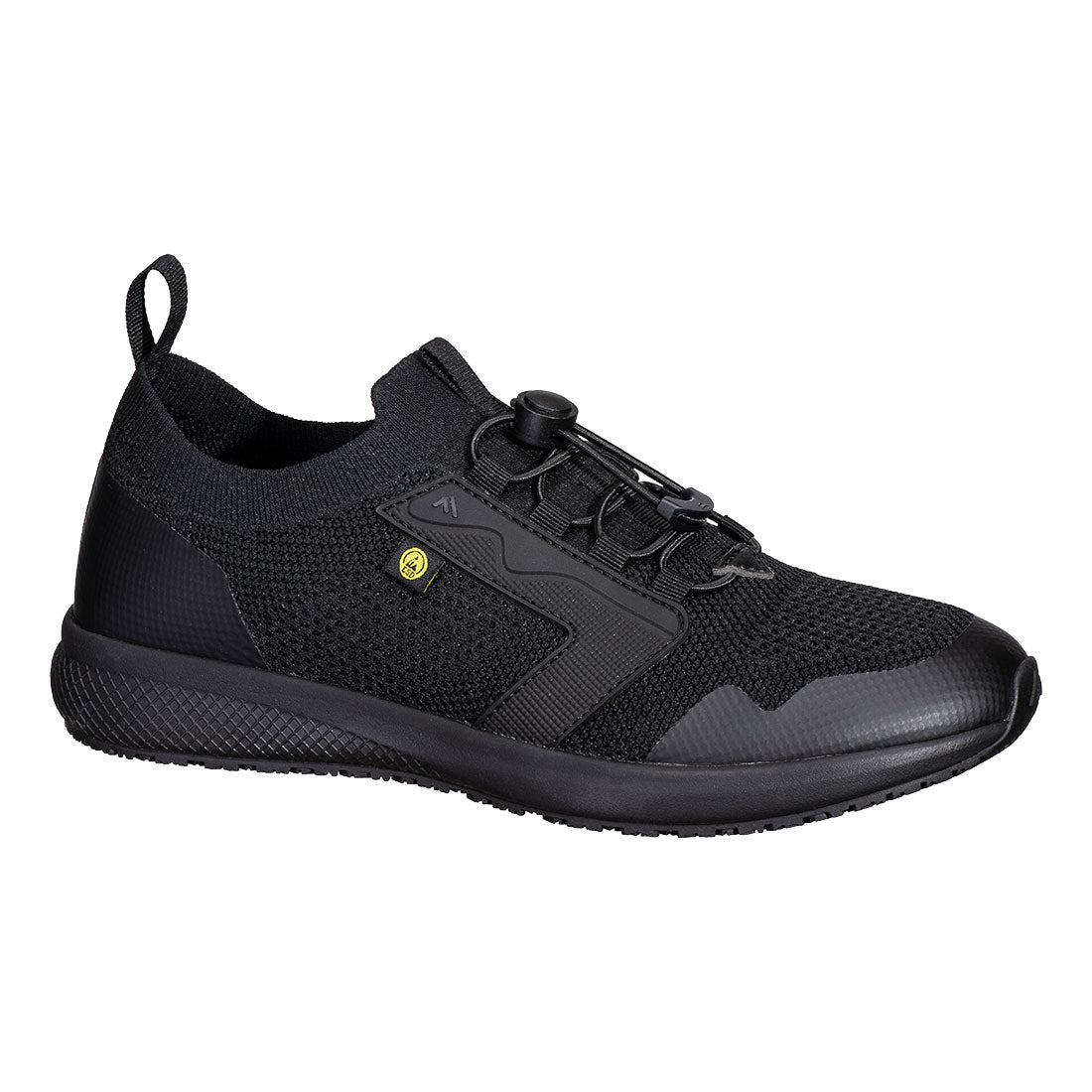
FC32 - Work Shoe Composite Textile Trainer S1PS ESD SR FO - Portwest - Black/Zoom GreyFC32 - Work Shoe Composite Textile Trainer S1PS ESD SR FO - Portwest - Navy/Royal Blue
Portwest Composite Textile Trainer Safety Shoe S1PS ESD SR FO - Portwest FC32
+2
+1
Sale price€43,23
Choose options

ESD is stricter than antistatic

Every safety shoe from class S1 upward is antistatic: the resistance lies between 100 kiloohm and 1000 megaohm, enough to prevent spark formation. An ESD shoe has a much narrower and lower resistance, so that even small charges are discharged before they damage a circuit board or component. So an antistatic shoe is not an ESD shoe.

The whole chain has to be right

An ESD shoe only works on a conductive floor. Insulating flooring, a thick personal insole or a dried layer of dirt under the sole break the chain. Combine the shoes with antistatic clothing and ESD gloves for a fully working setup.

Frequently asked questions

What's the difference between antistatic and ESD?

All S1 to S5 shoes are antistatic: their electrical resistance lies between 100 kiloohm and 1000 megaohm, enough to prevent spark formation. ESD shoes have a much narrower and lower resistance, so that even small charges are discharged before they damage sensitive electronics.

Does an ESD shoe work on every floor?

No, the floor is part of the system. An ESD shoe can only discharge a charge if the surface is conductive. On insulating flooring or with a thick personal insole, the chain doesn't work and the protection is lost.

What does O1 mean on an ESD work shoe?

O1 means it is occupational footwear according to EN ISO 20347, so without a safety toe cap. The shoe is antistatic, has a closed heel and an energy-absorbing heel. An O1 ESD shoe is suitable for clean workplaces in electronics or laboratories where there is no risk of falling or rolling objects. If there is such a risk, choose at least an S1 model.

Should you test ESD work shoes regularly?

Yes, most ESD workplaces require a daily test with a shoe or personnel tester at the entrance to the ESD area. Dirt, wear and the wrong sock or insole can raise the resistance unnoticed. A quick test immediately shows whether the discharge of static charge is still within the limits your ESD programme applies according to IEC 61340.

Are there ESD work shoes specifically for women?

Yes, this collection also includes ESD sneakers with a women's fit. They have a narrower last and lower volume around the heel, so the shoe fits better and does not slip. If you cannot find your size in a women's model, many unisex ESD shoes in smaller sizes also fit well. To check, compare your foot length with the size chart of the model.

Is your question not listed? Ask our specialists.

Recently viewed