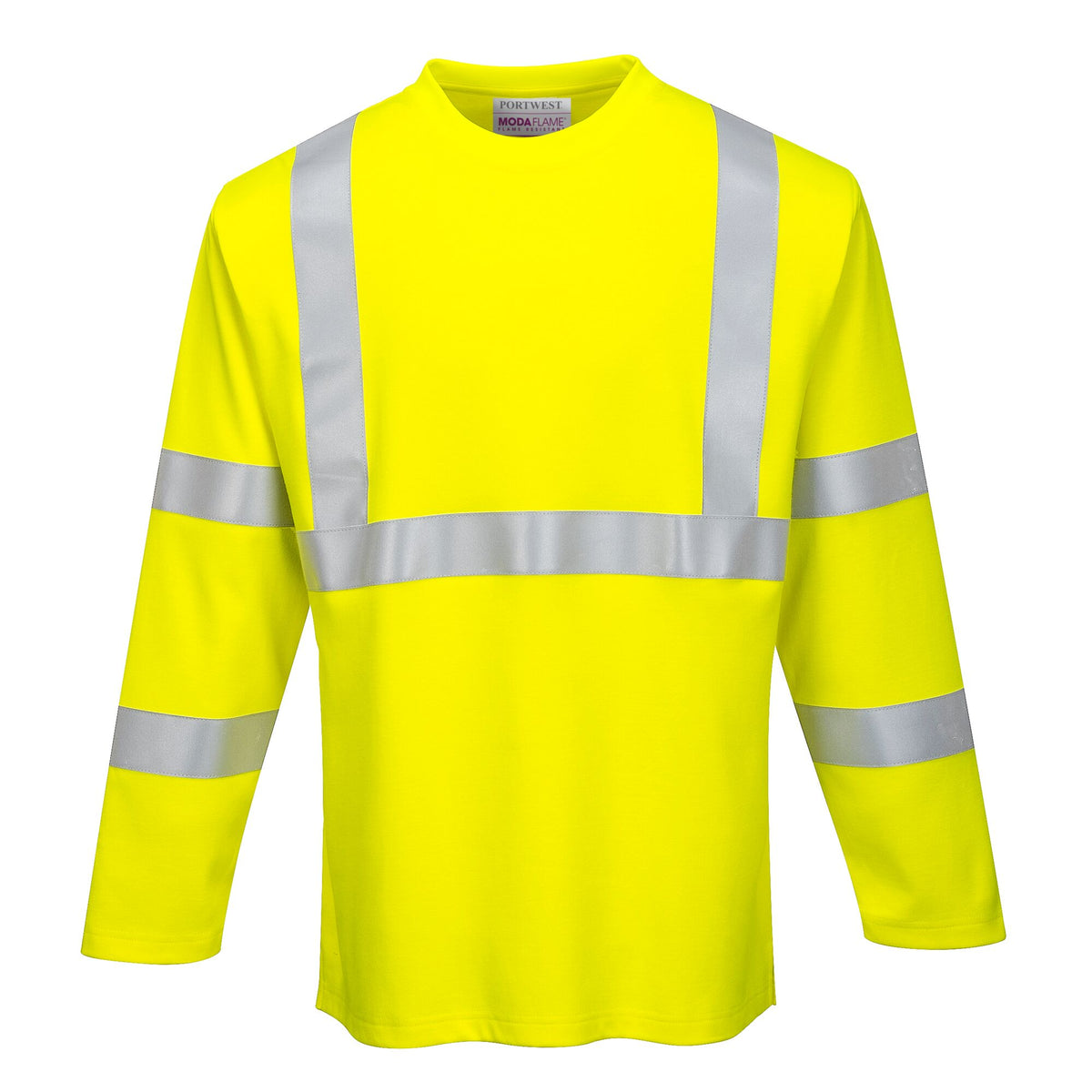
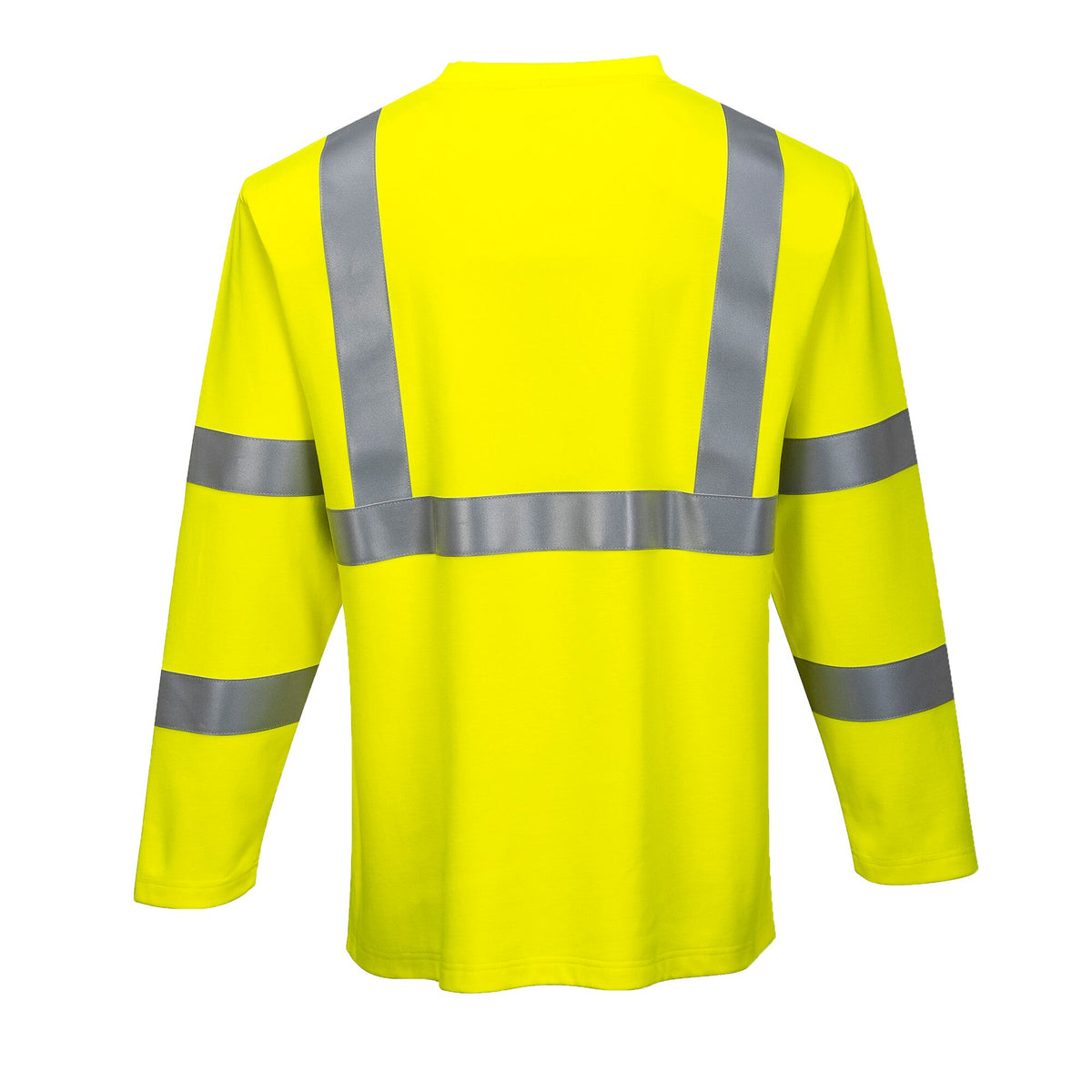
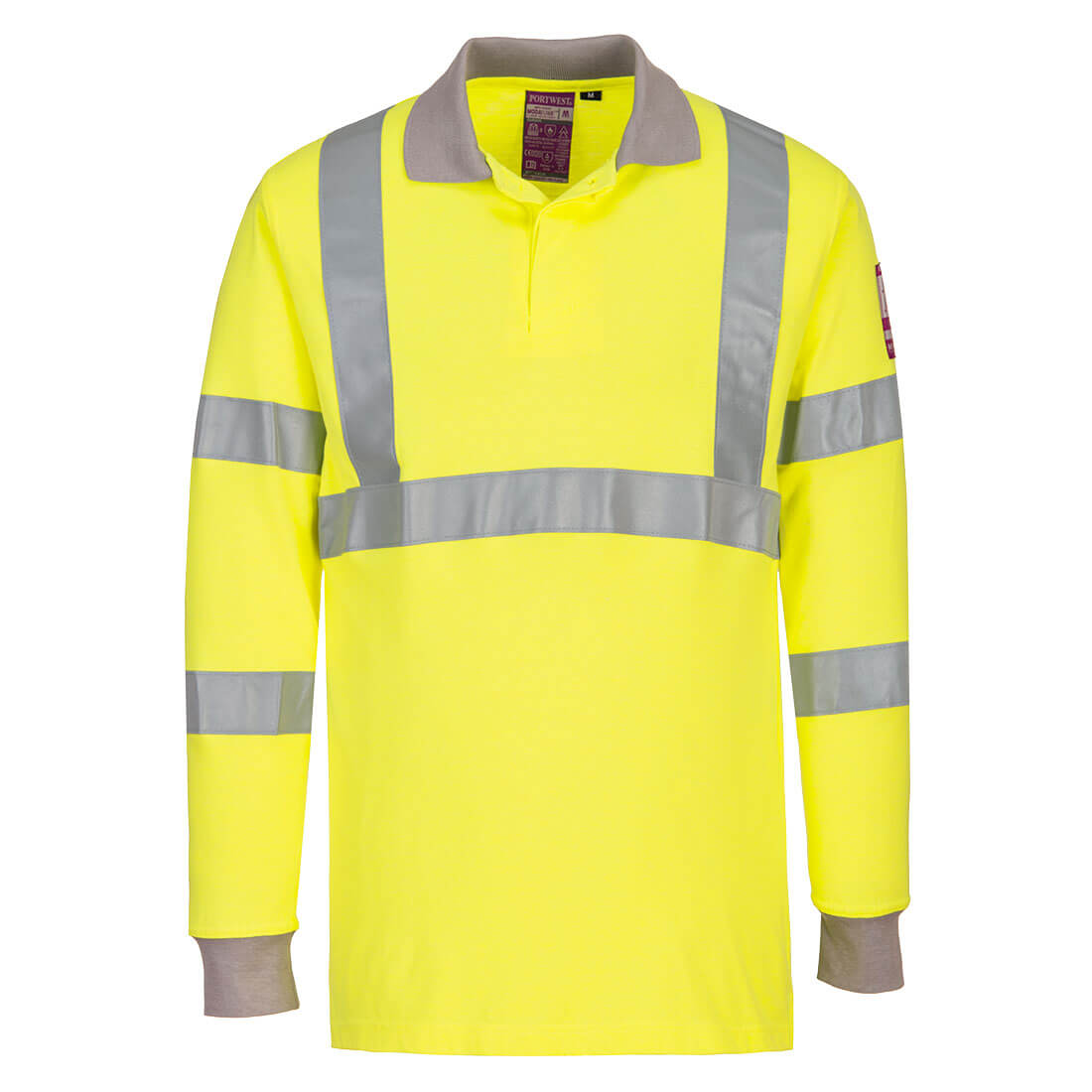
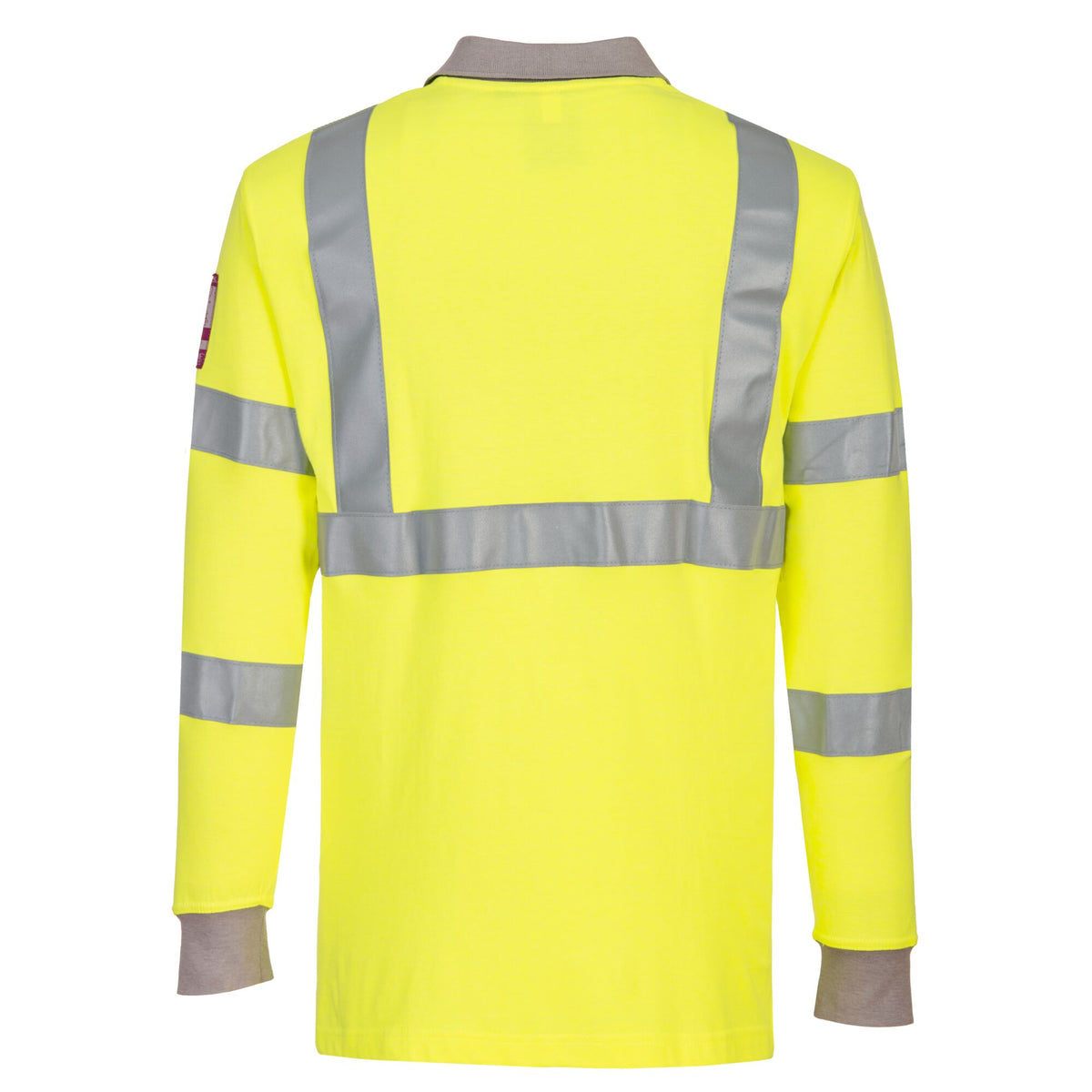
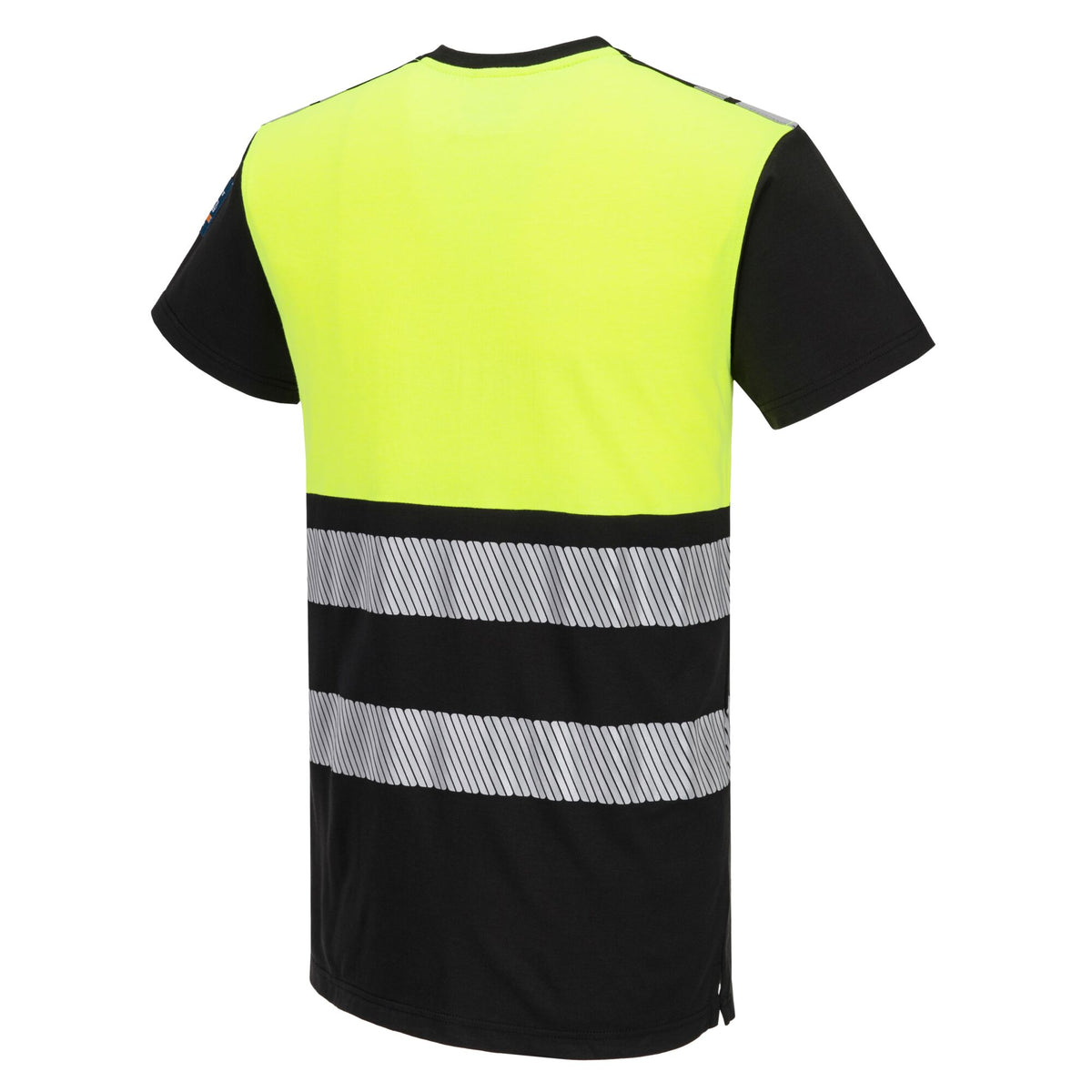
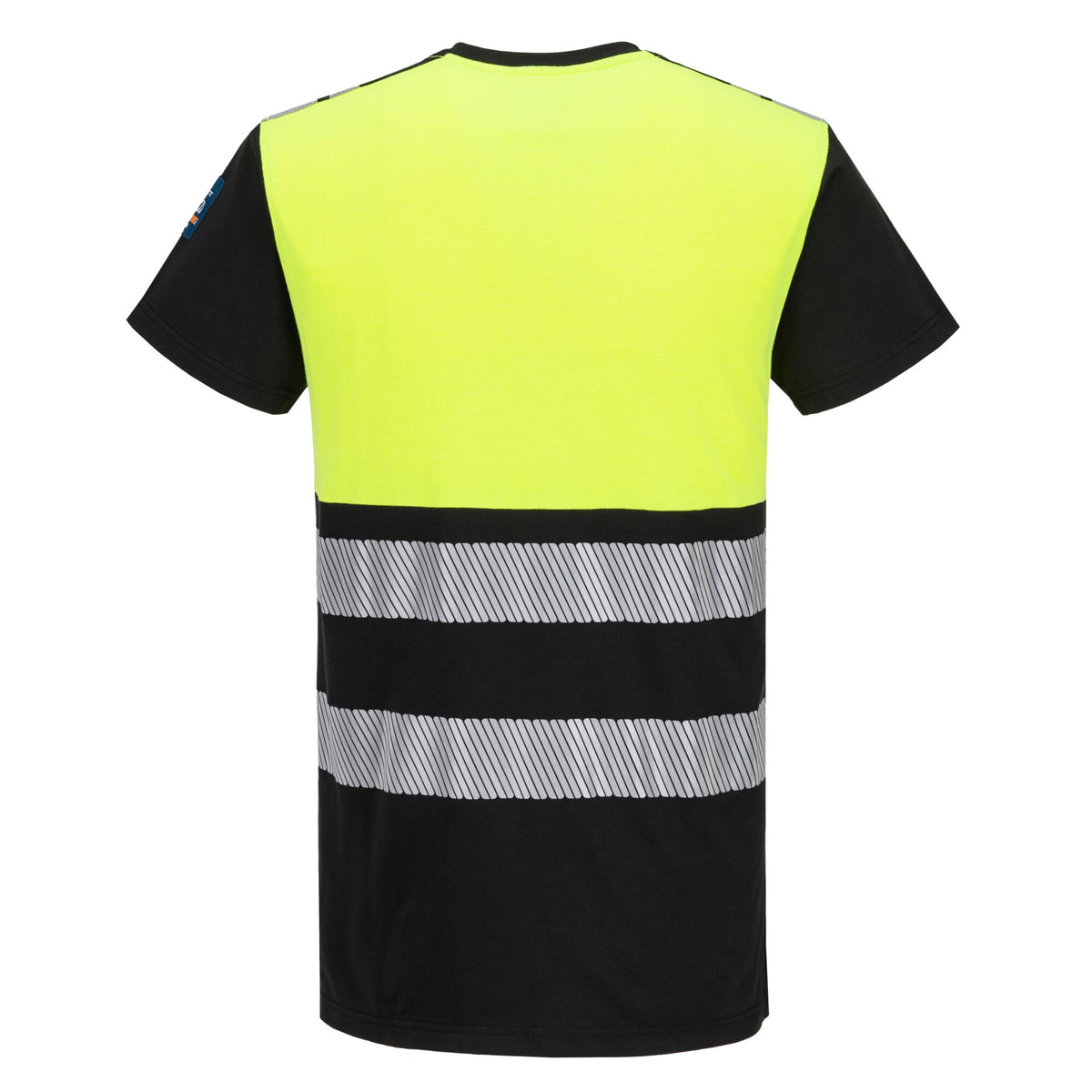
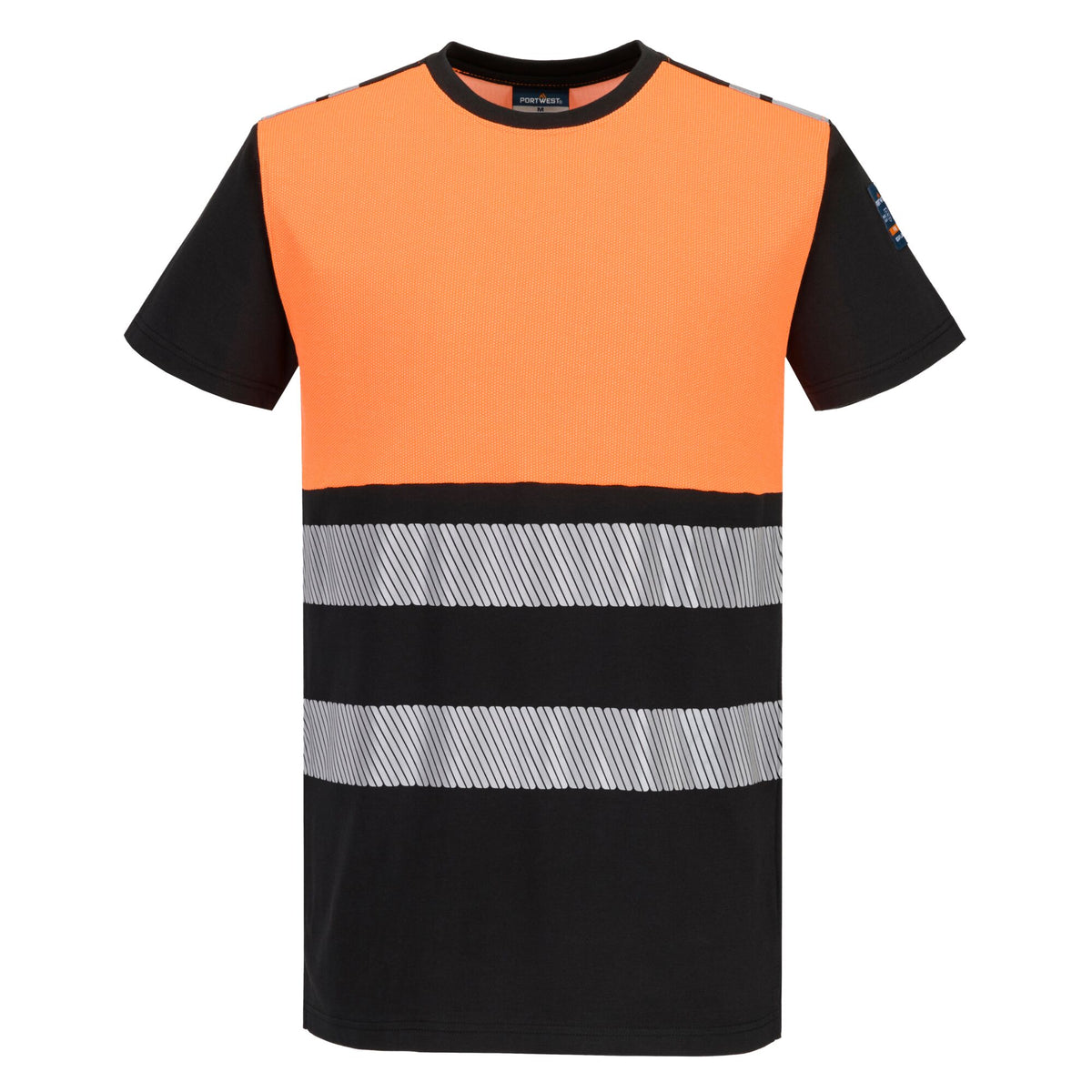
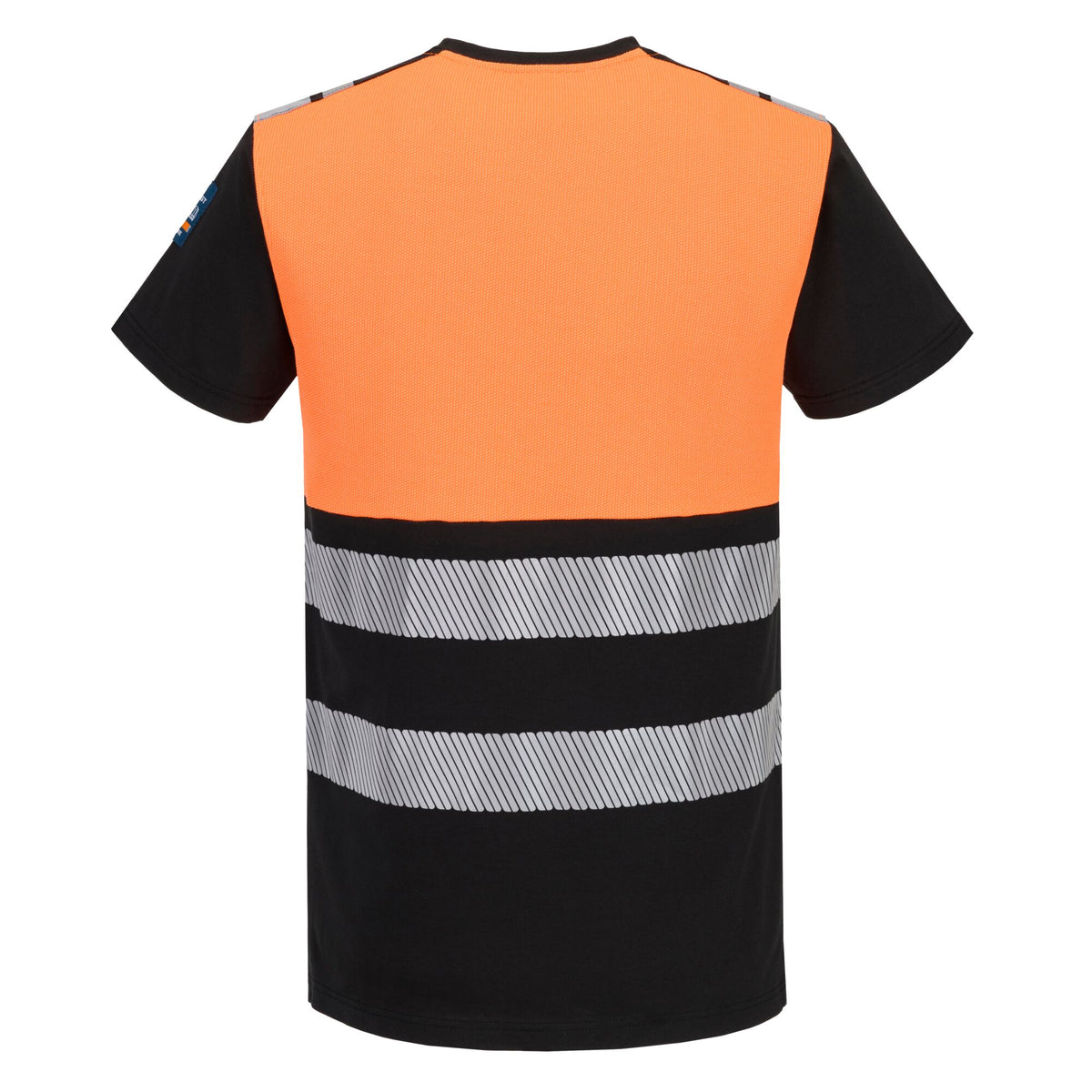
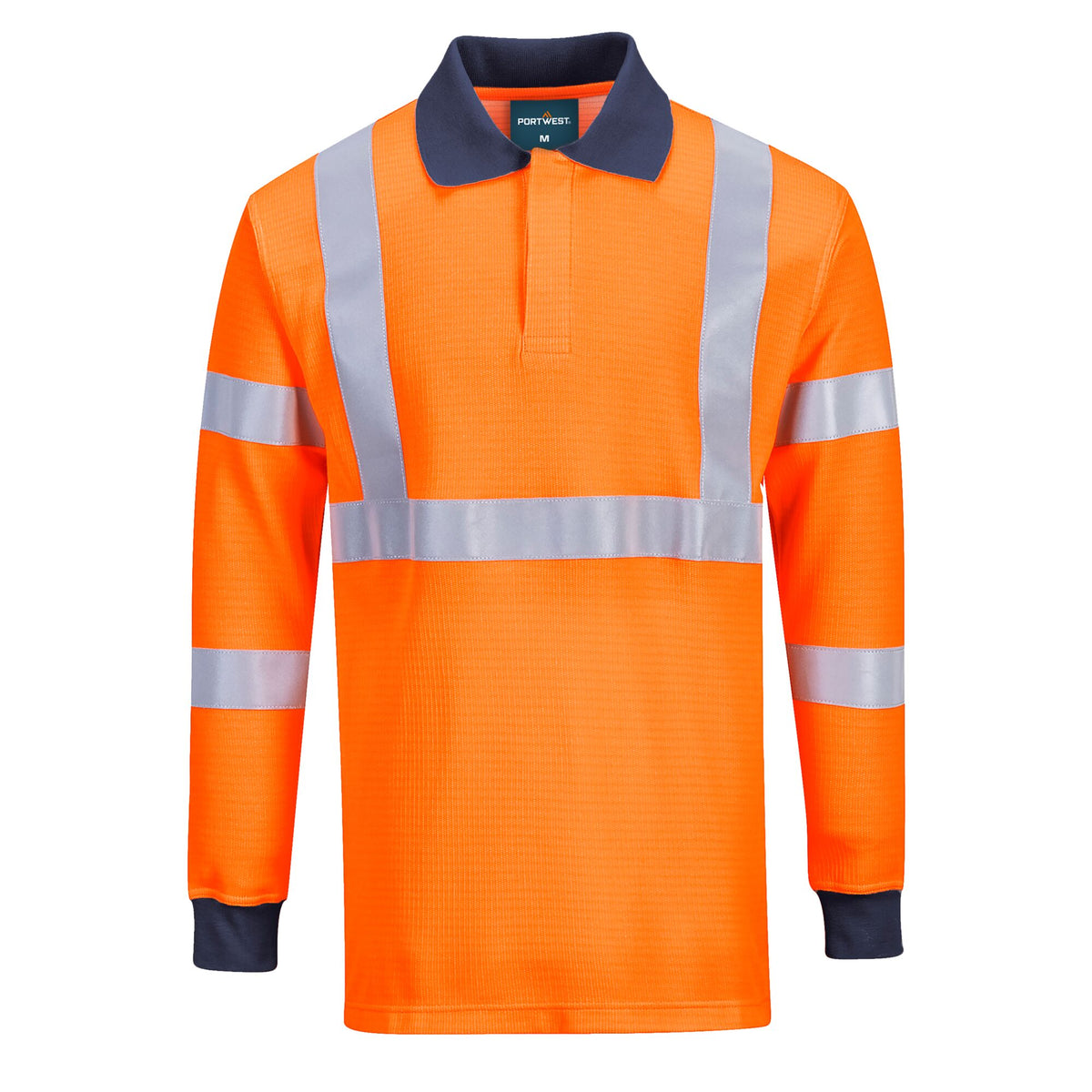
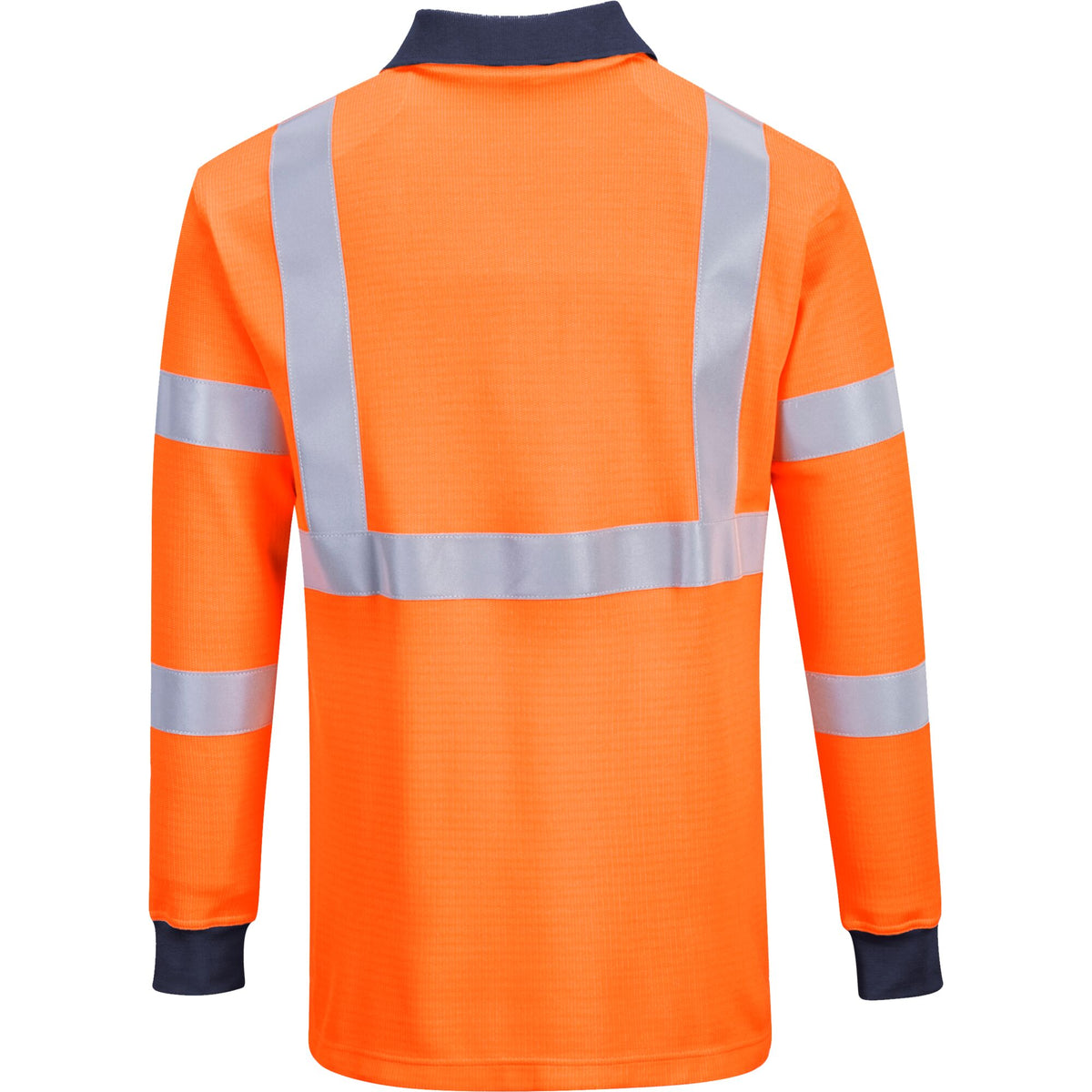
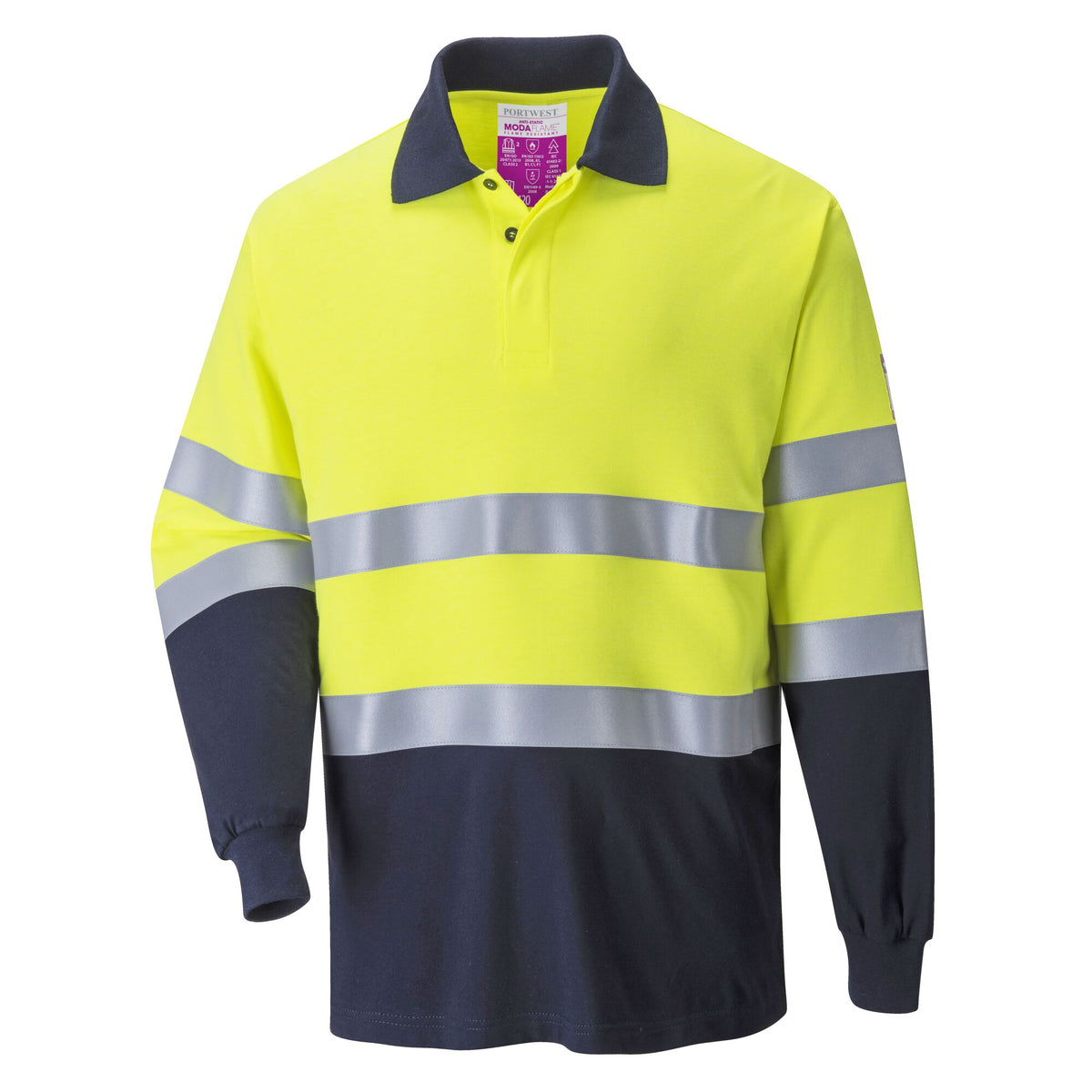
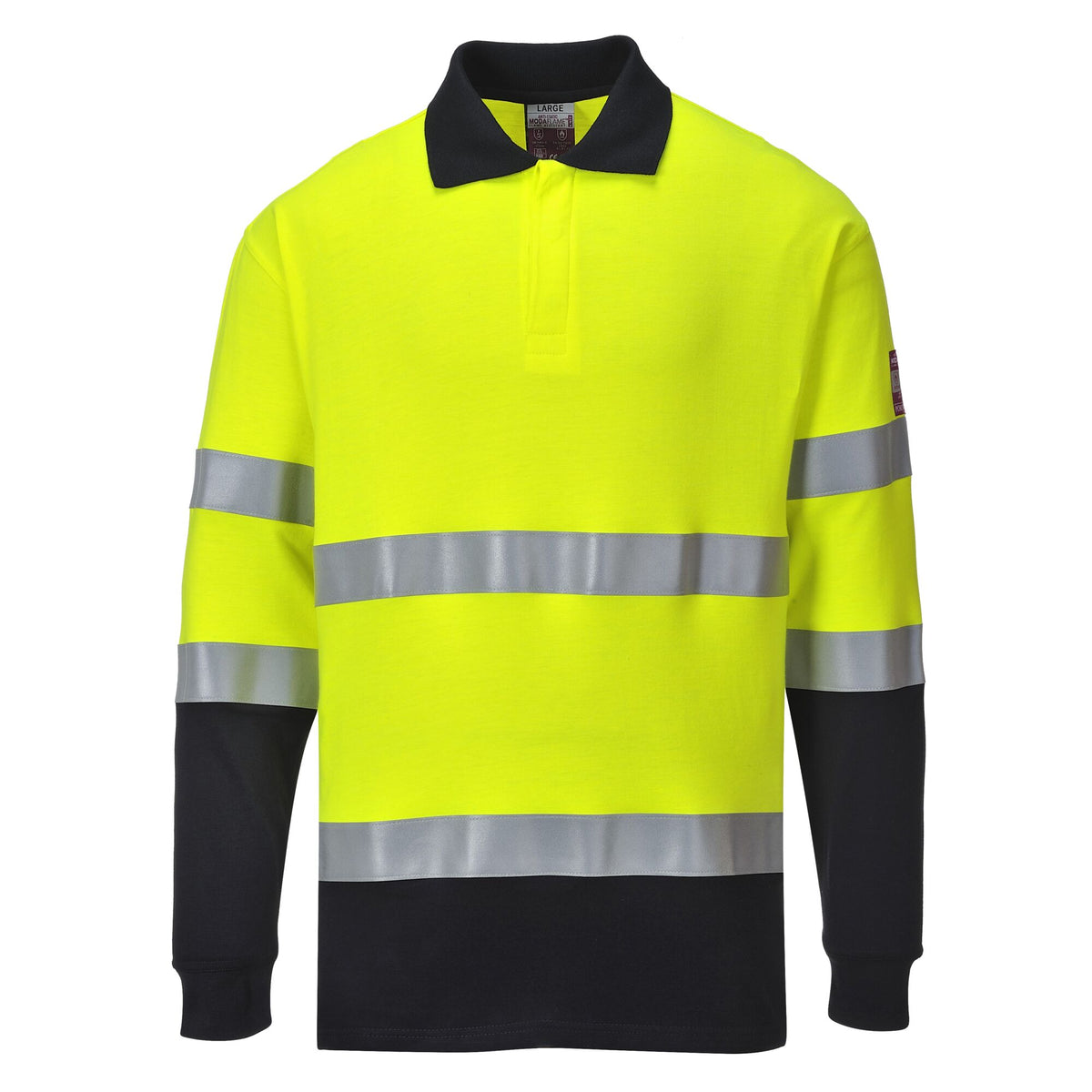
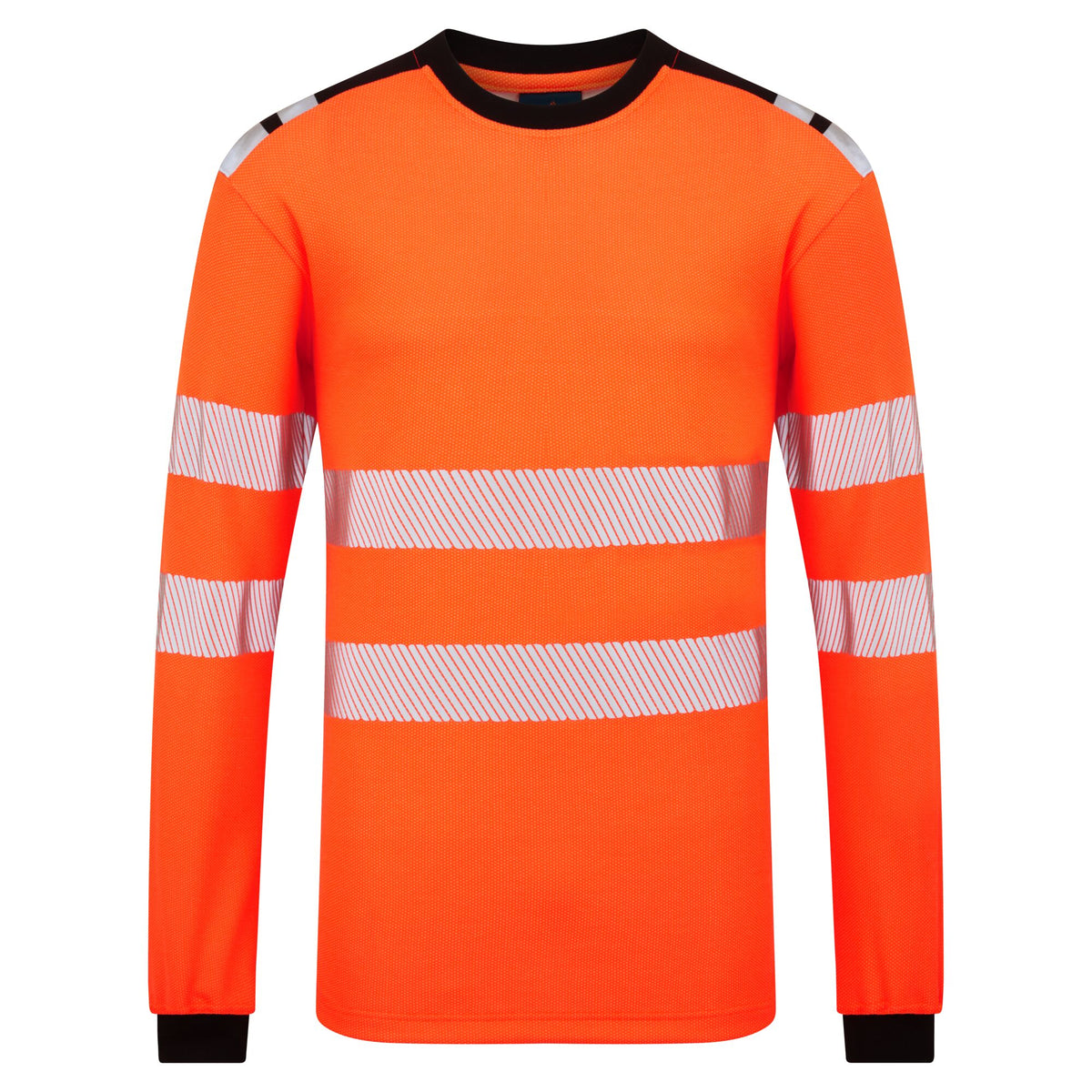
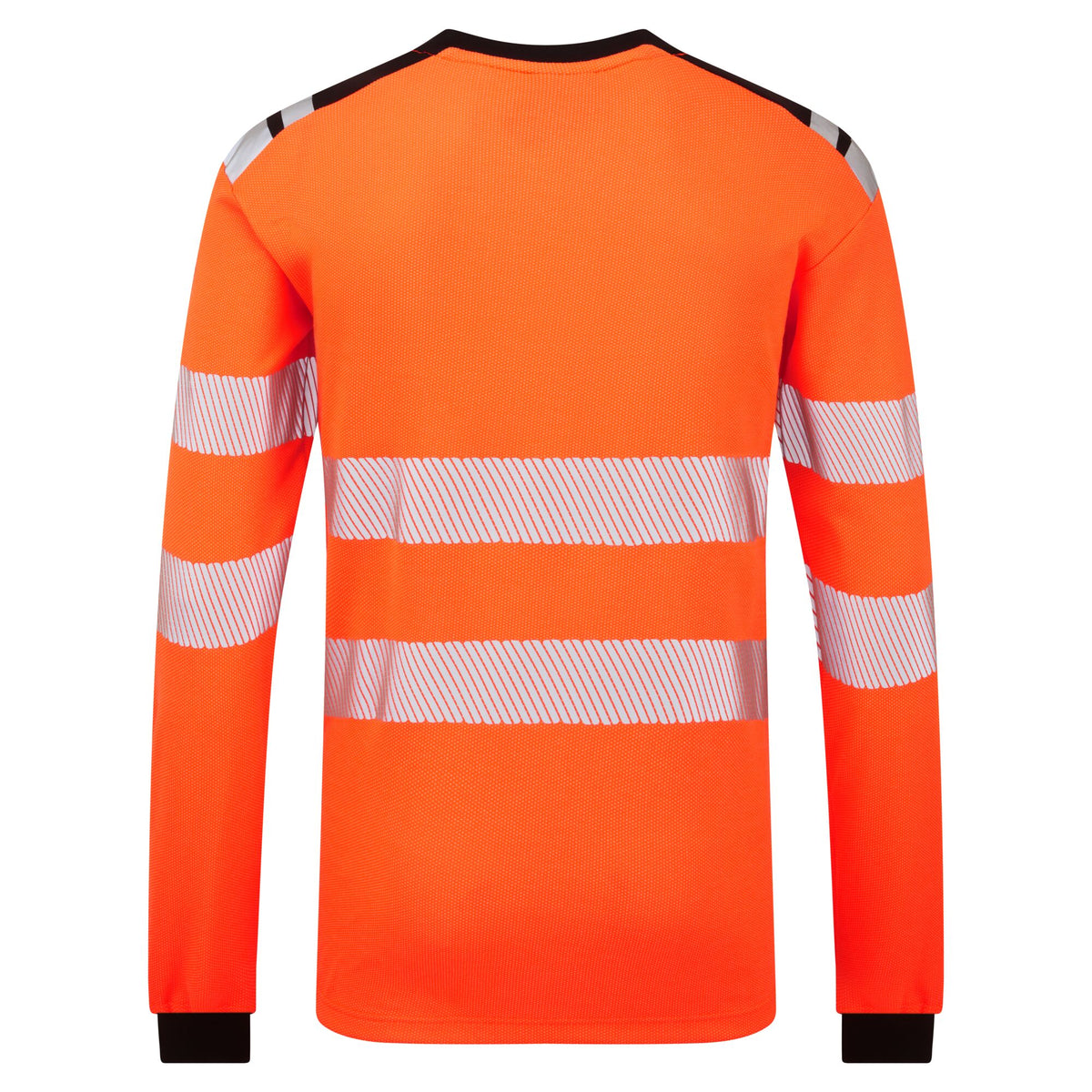
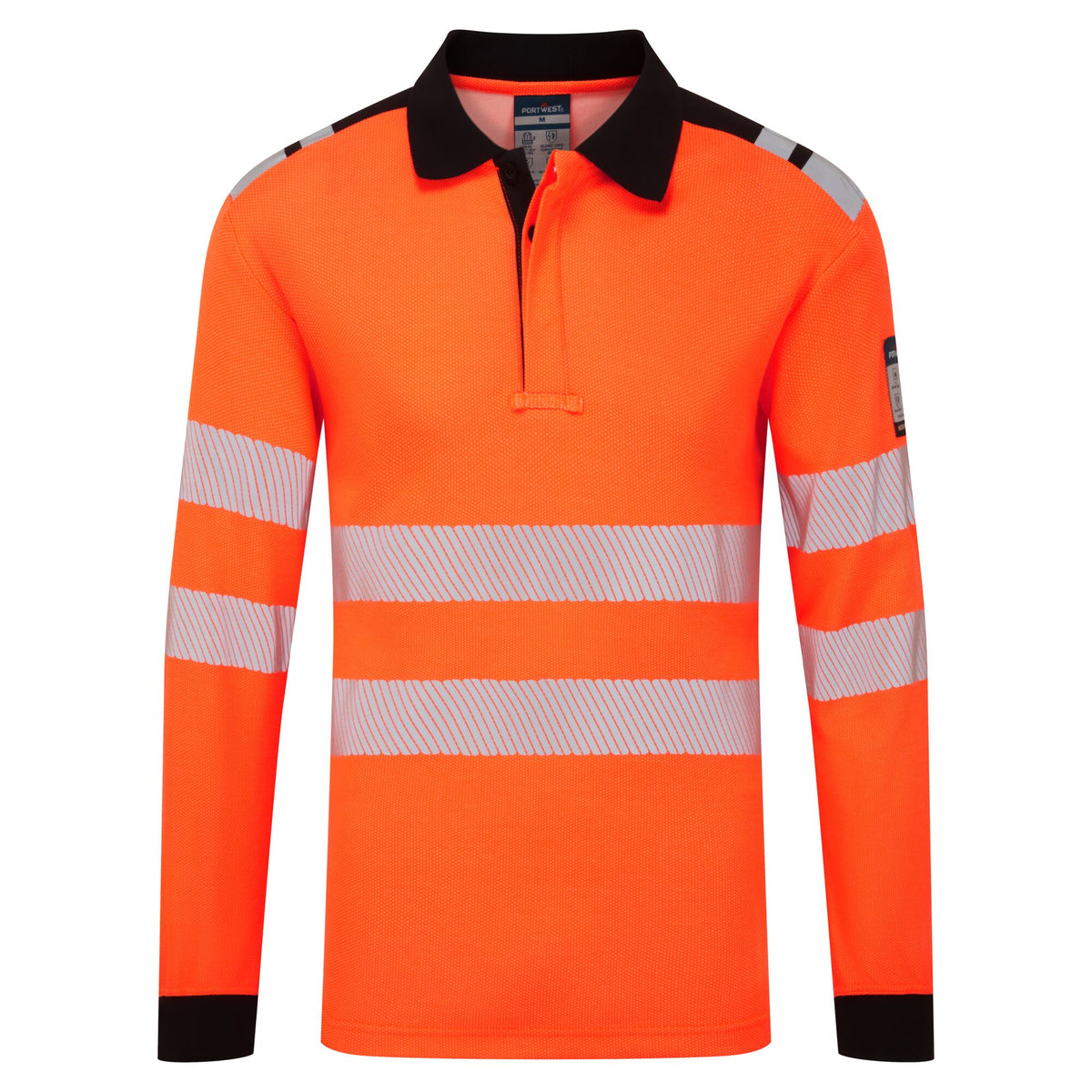
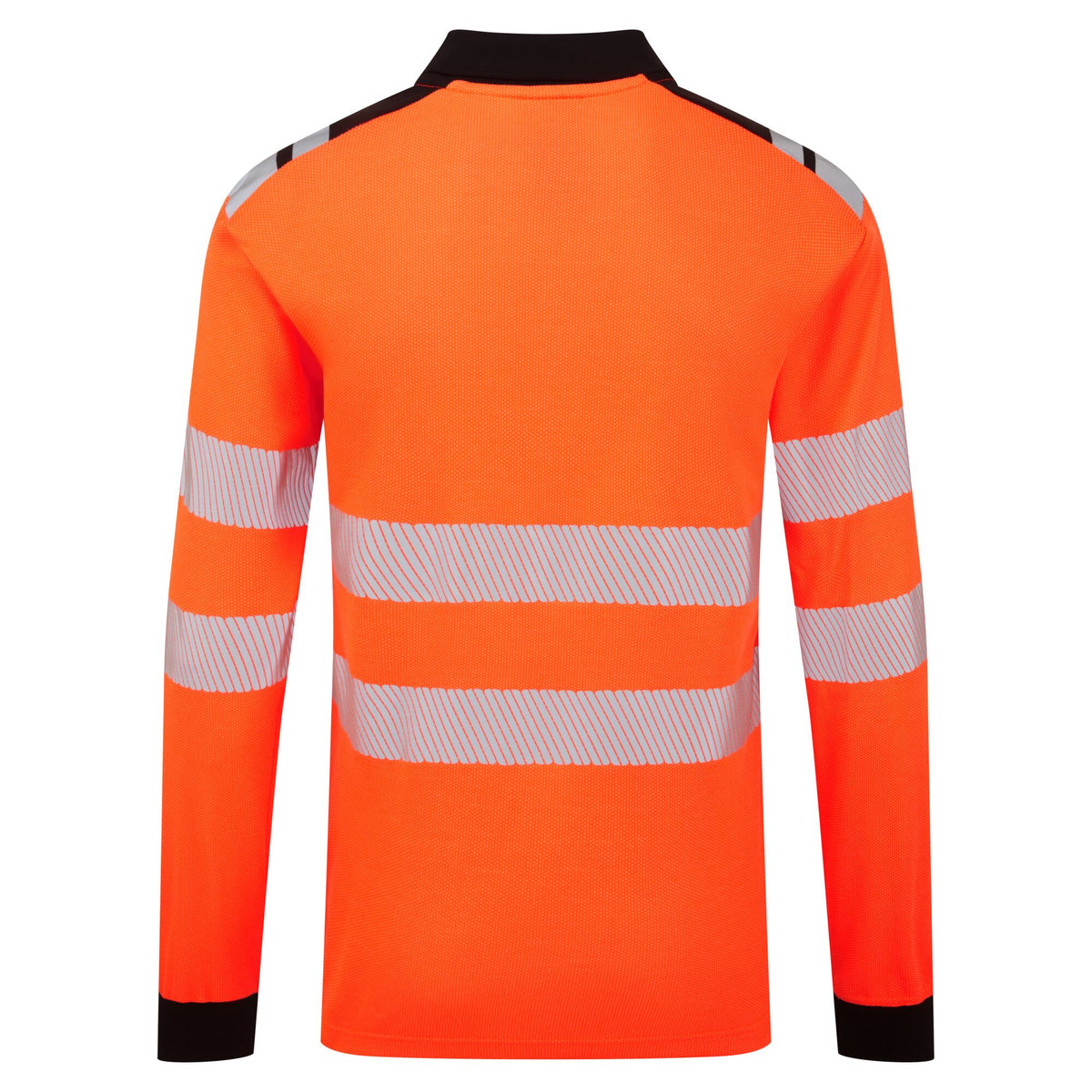
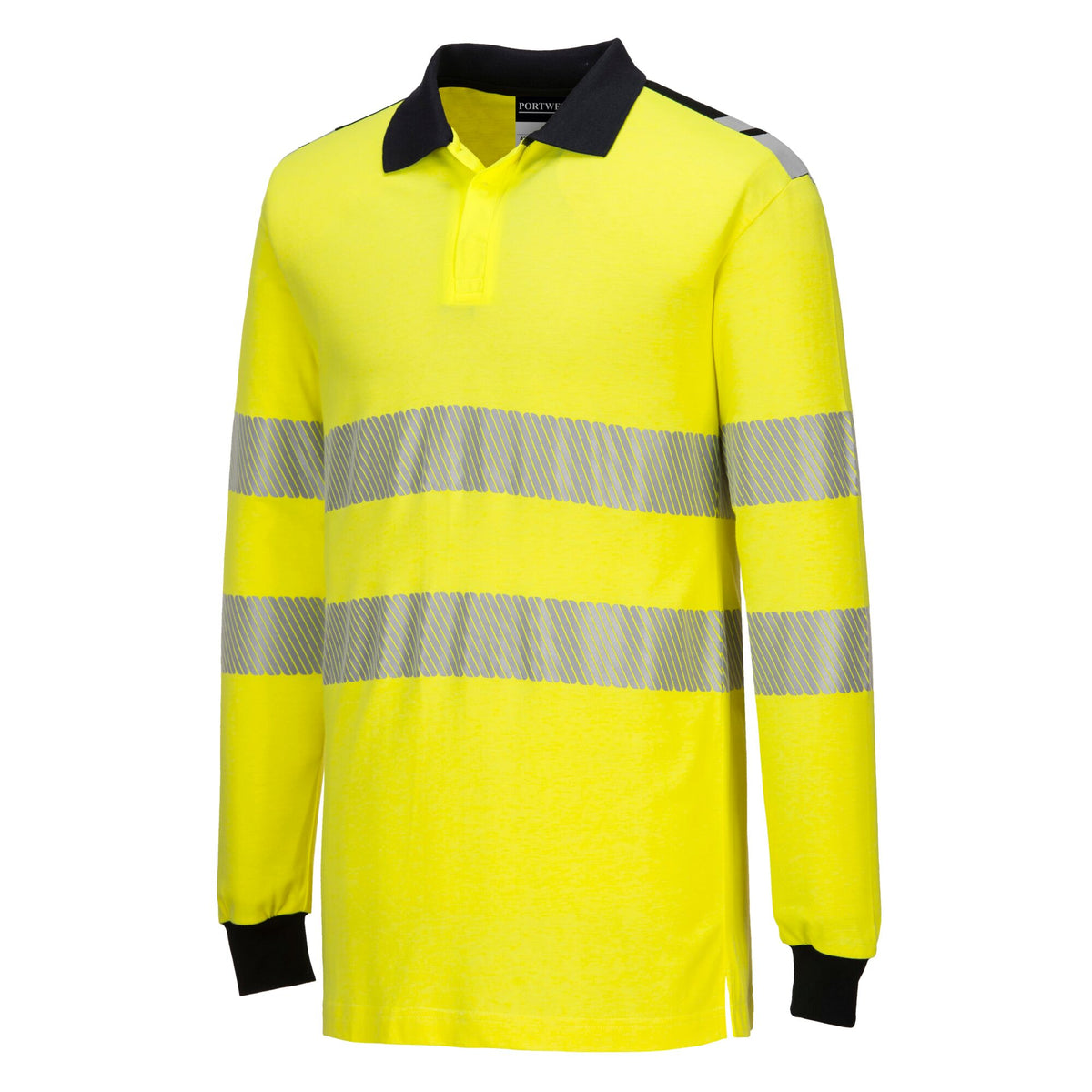
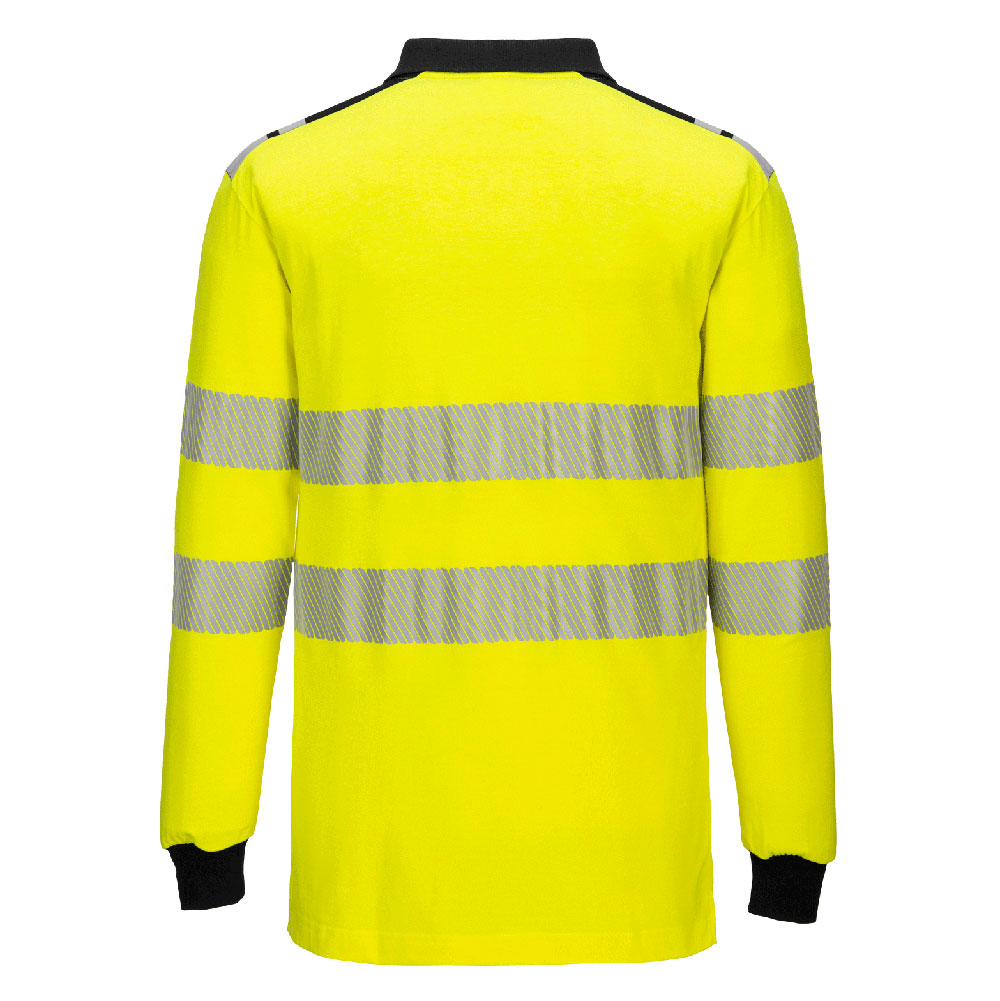
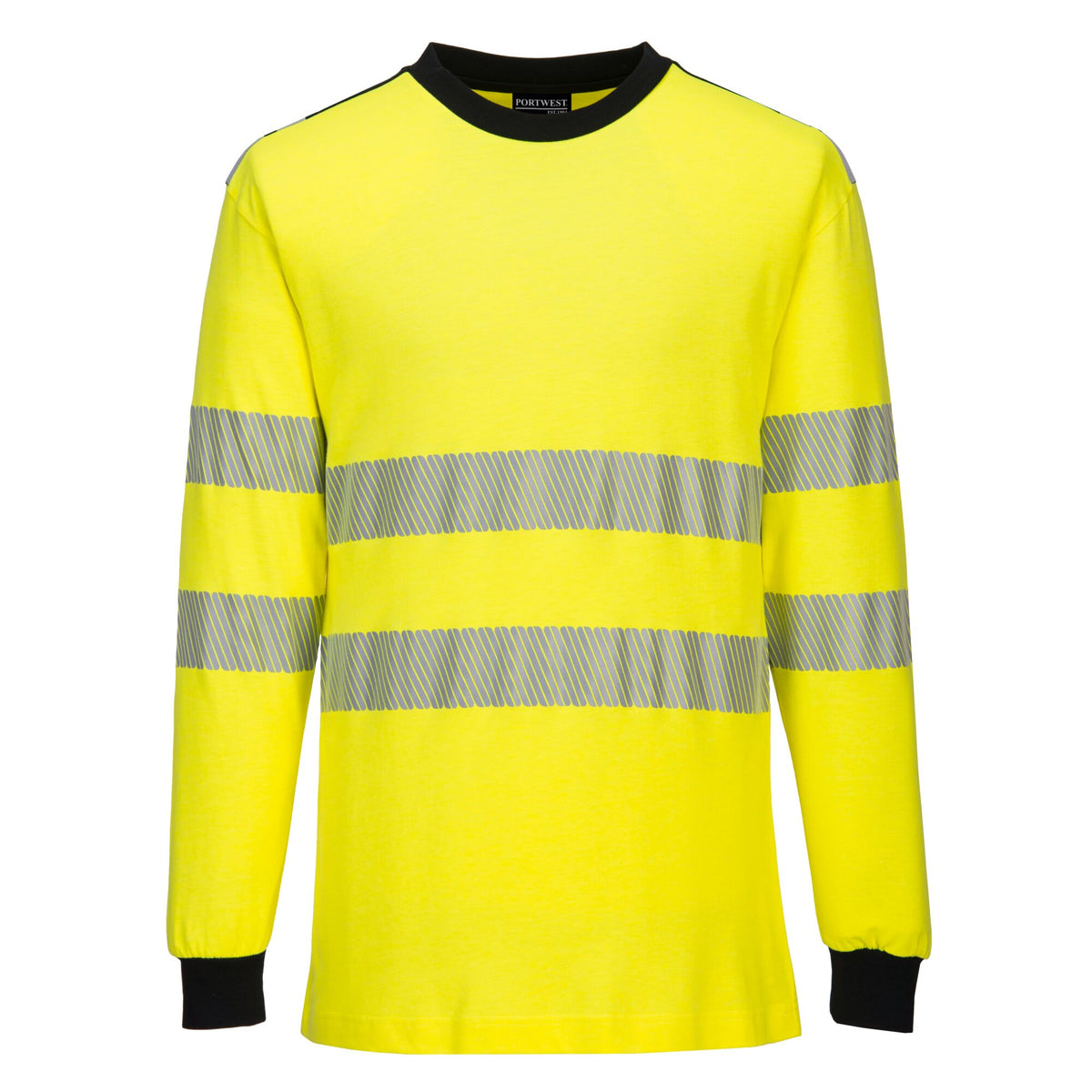
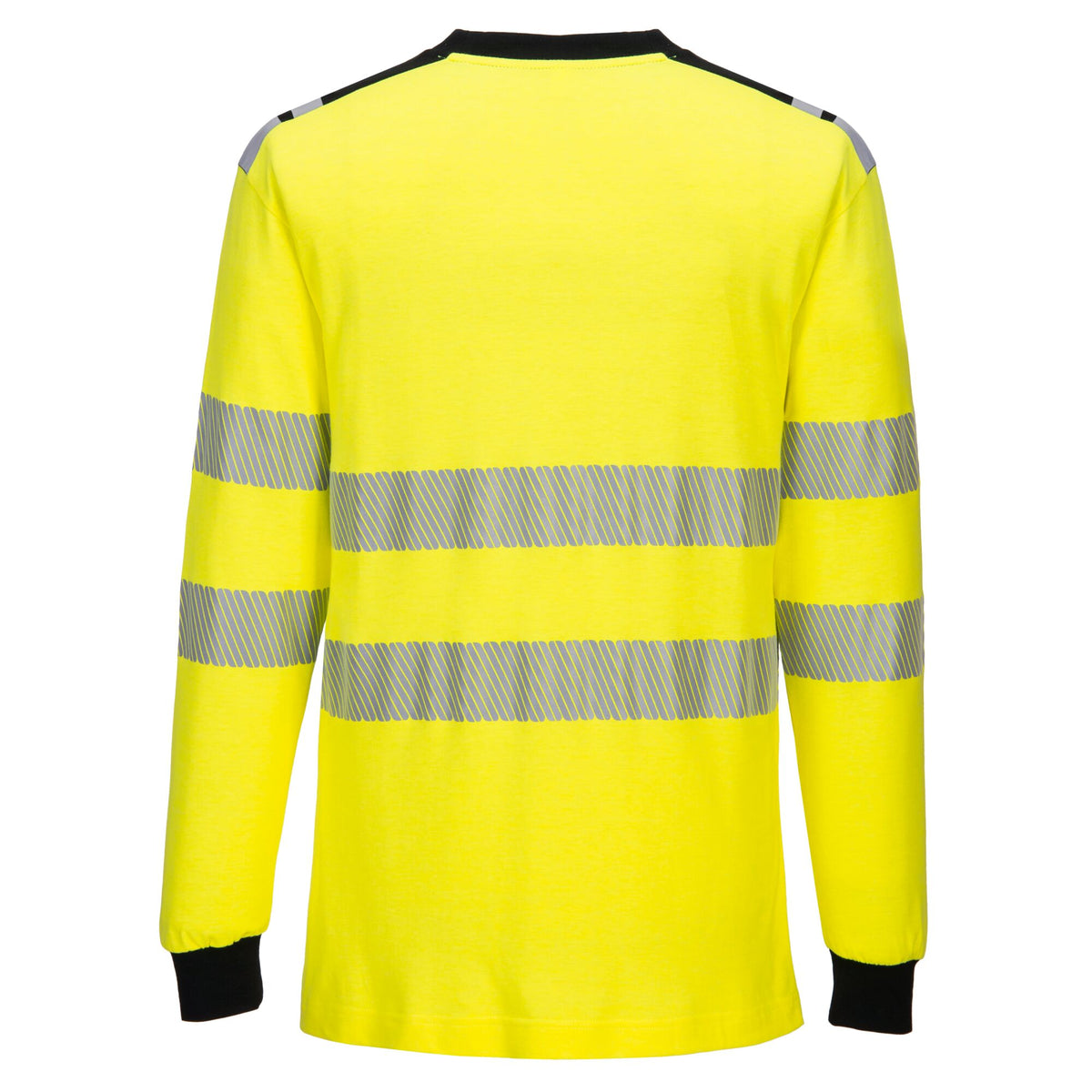
Multi-standard - Polo/T-shirt

10 products

Showing 1 - 10 of 10 products

Showing 1 - 10 of 10 products
View

Popular standard combinations

The most requested combination is flame-resistant with antistatic, widely worn in industry as a base layer under a multinorm jacket.

Comfortable base layer

Despite the dual protection, the fabric stays breathable, pleasant as a base layer throughout a full working day in demanding environments.

Frequently asked questions

Which standard combination is most requested for a multinorm shirt?

Flame-resistant combined with antistatic (EN ISO 11612 with EN 1149-5) is the most requested combination, especially in industry.

Is this shirt suitable as a base layer under a multinorm jacket?

Yes, the shirt is specifically designed as a conductive, flame-resistant base layer under a multinorm jacket.

May I wear an ordinary T-shirt under a multinorm jacket?

This is not recommended and is not permitted at many sites. An ordinary shirt with synthetic fibres can melt in a flash fire or electric arc and worsen burns, even if the jacket itself stays intact. In addition, a non-antistatic shirt can build up charge. Therefore choose a flame-resistant base layer that meets the same standards as the rest of your clothing.

Is a hi-vis multinorm shirt visible enough for work along the road?

Usually not as the only garment. Because of its limited surface area, a separate shirt often reaches class 1 and sometimes class 2 under EN ISO 20471, while class 2 or 3 is usually required for work along the road. Therefore combine the shirt with high-visibility trousers or a jacket. For extra layers, take a look at the collection hi-vis jackets.

Can I order multinorm shirts for a team on account?

Yes, as a business customer you can order on account after registering. This is handy when you supply a crew with shirts in different sizes and versions in one go, for example short and long sleeves. You can register via register as a business. If you have a logo applied, check whether the printing does not affect the flame-resistant properties.

Is your question not listed? Ask our specialists.

Recently viewed