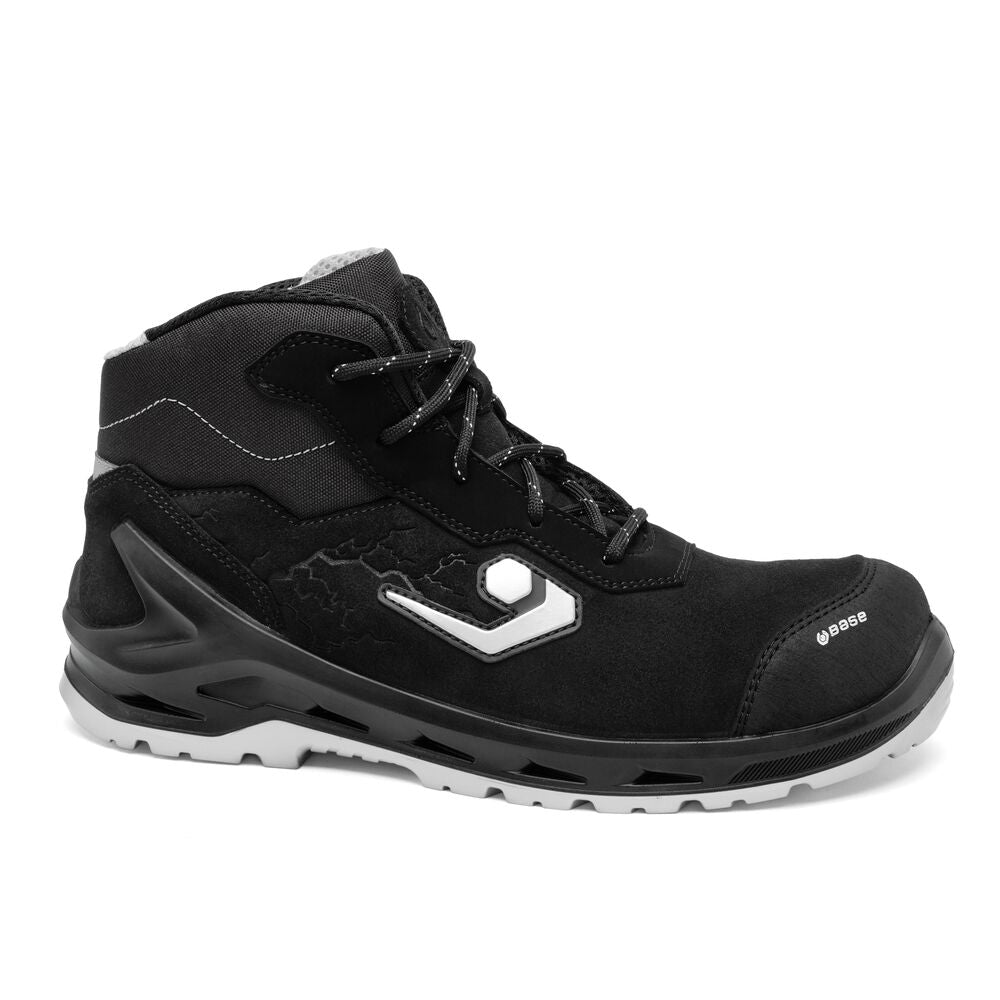
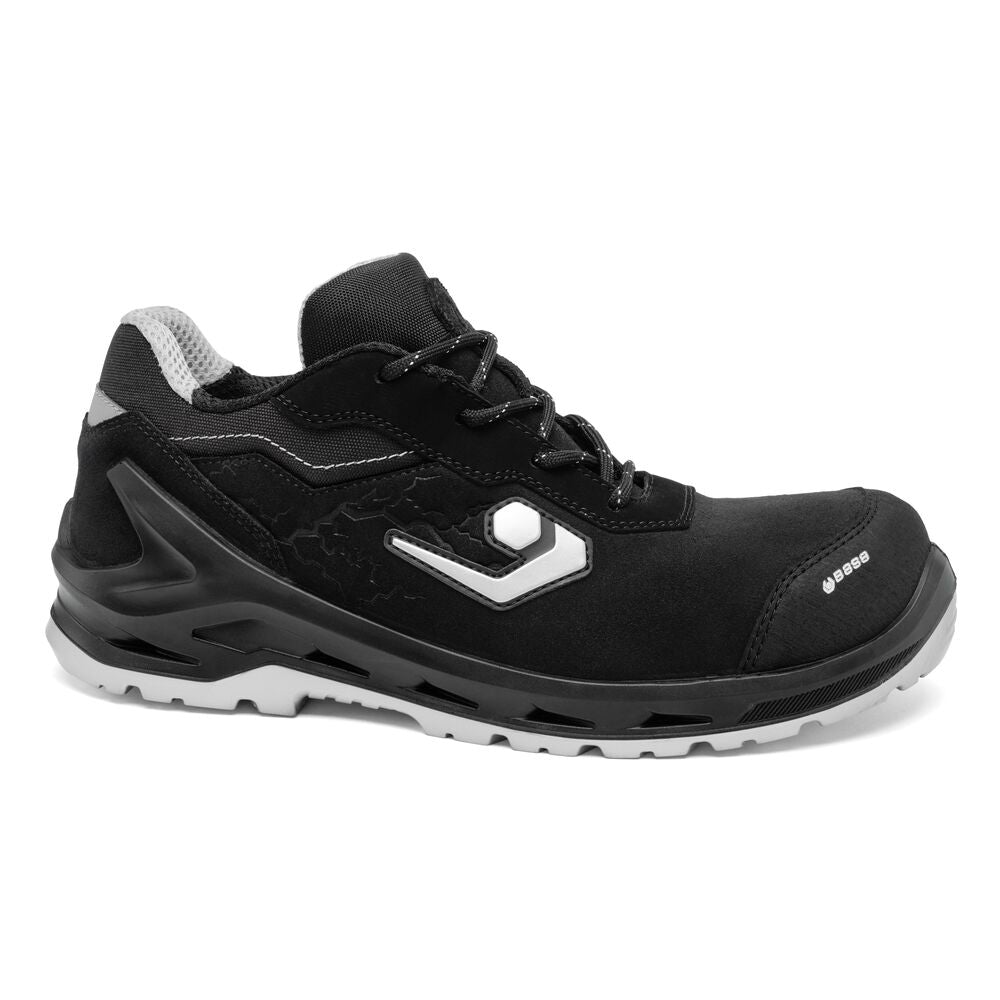
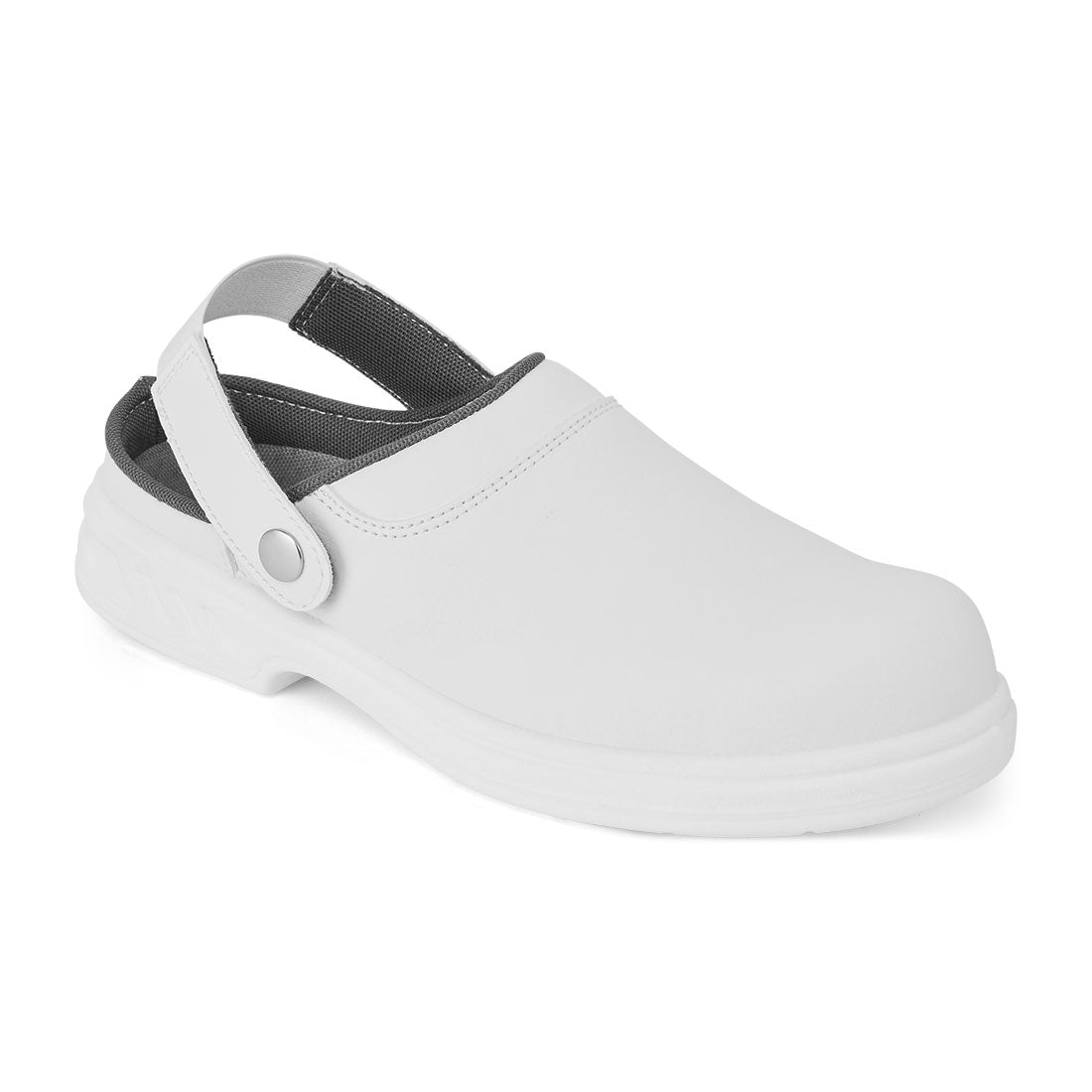
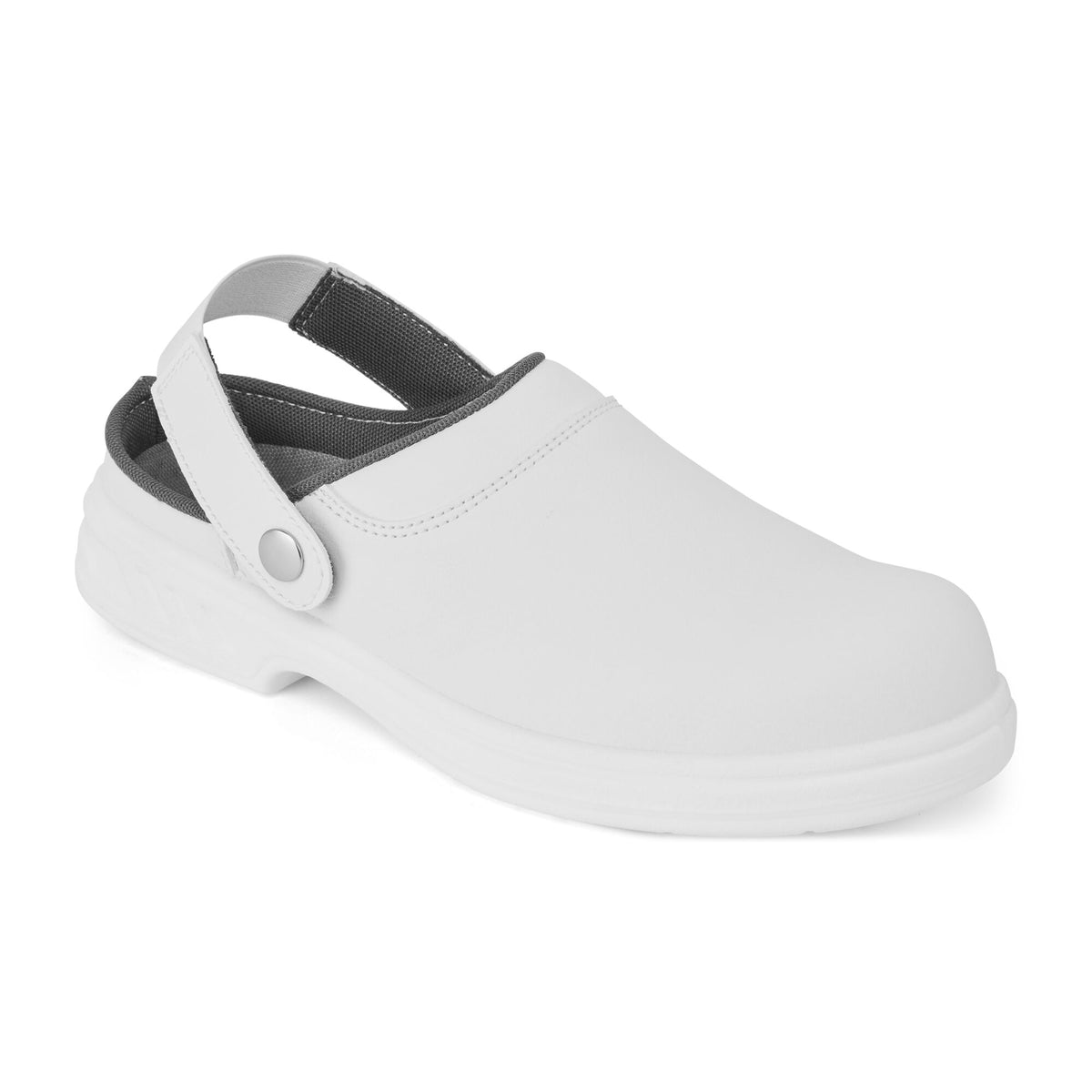
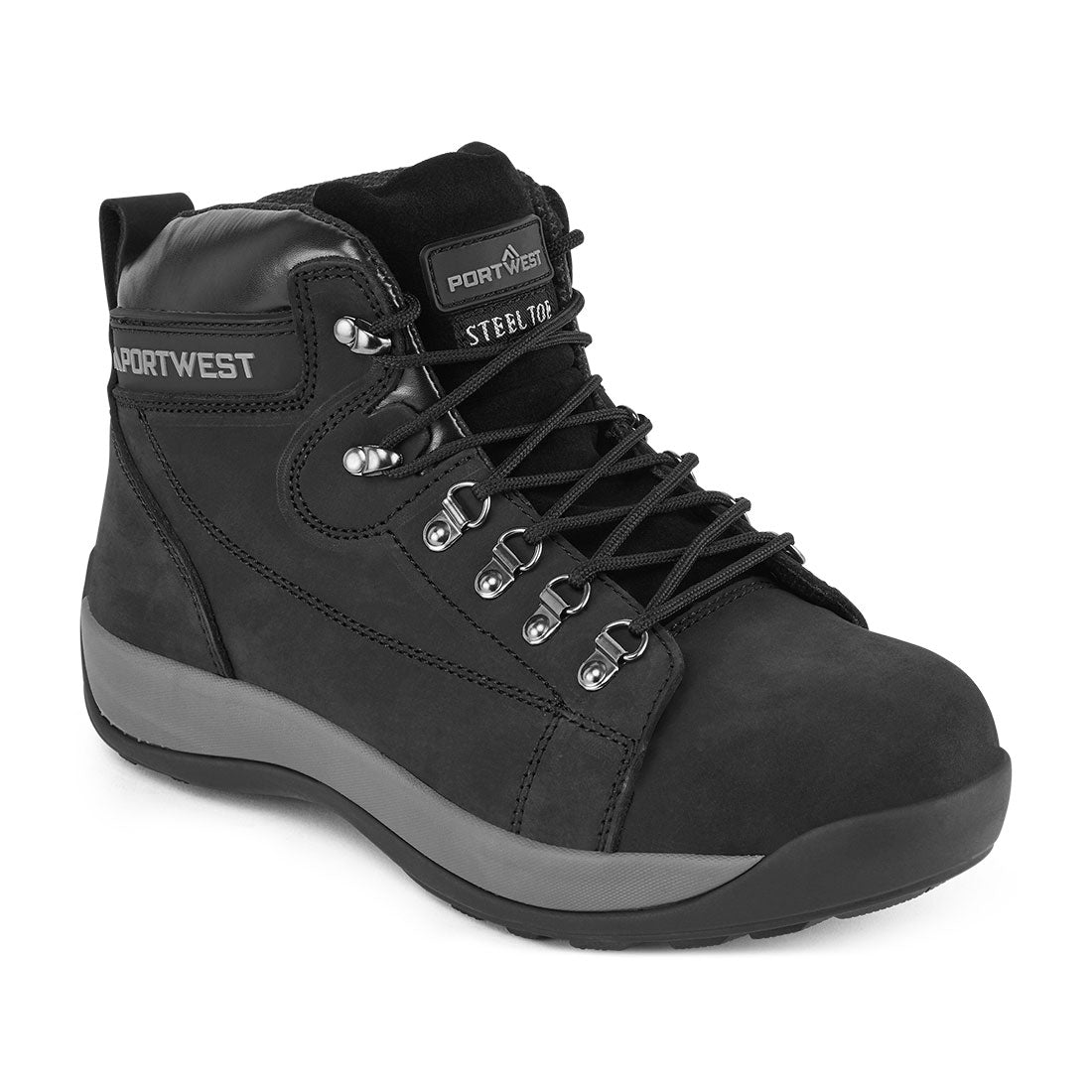
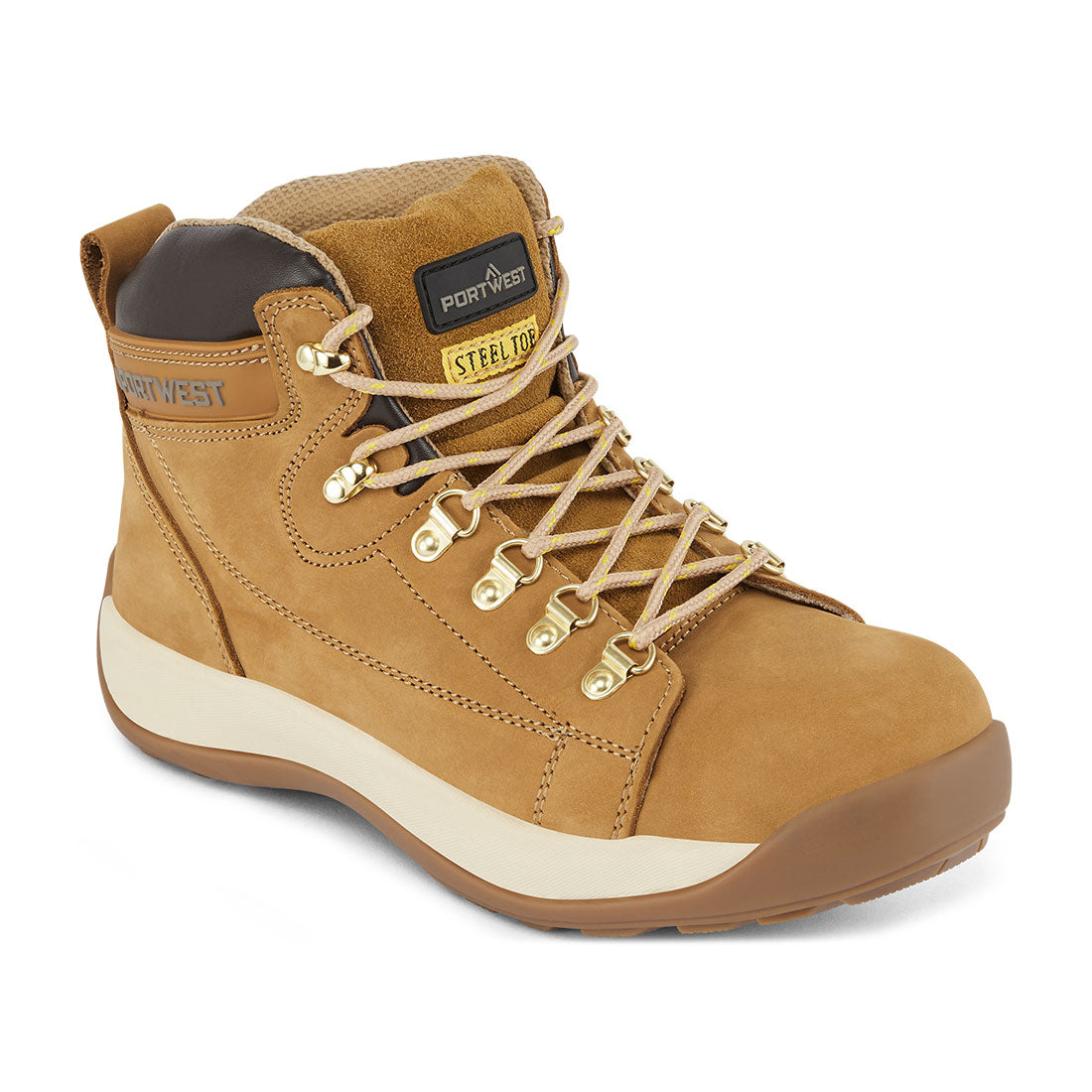
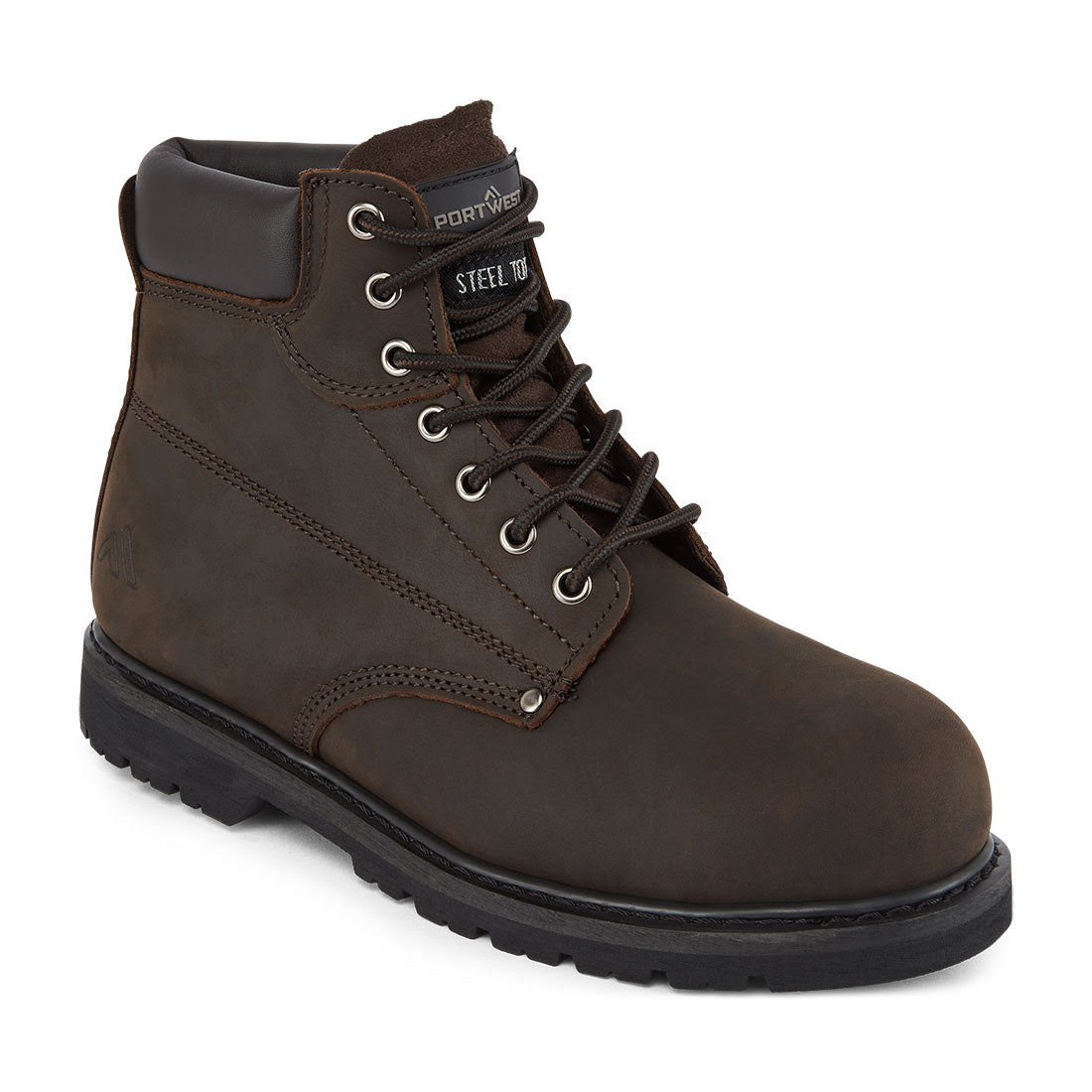
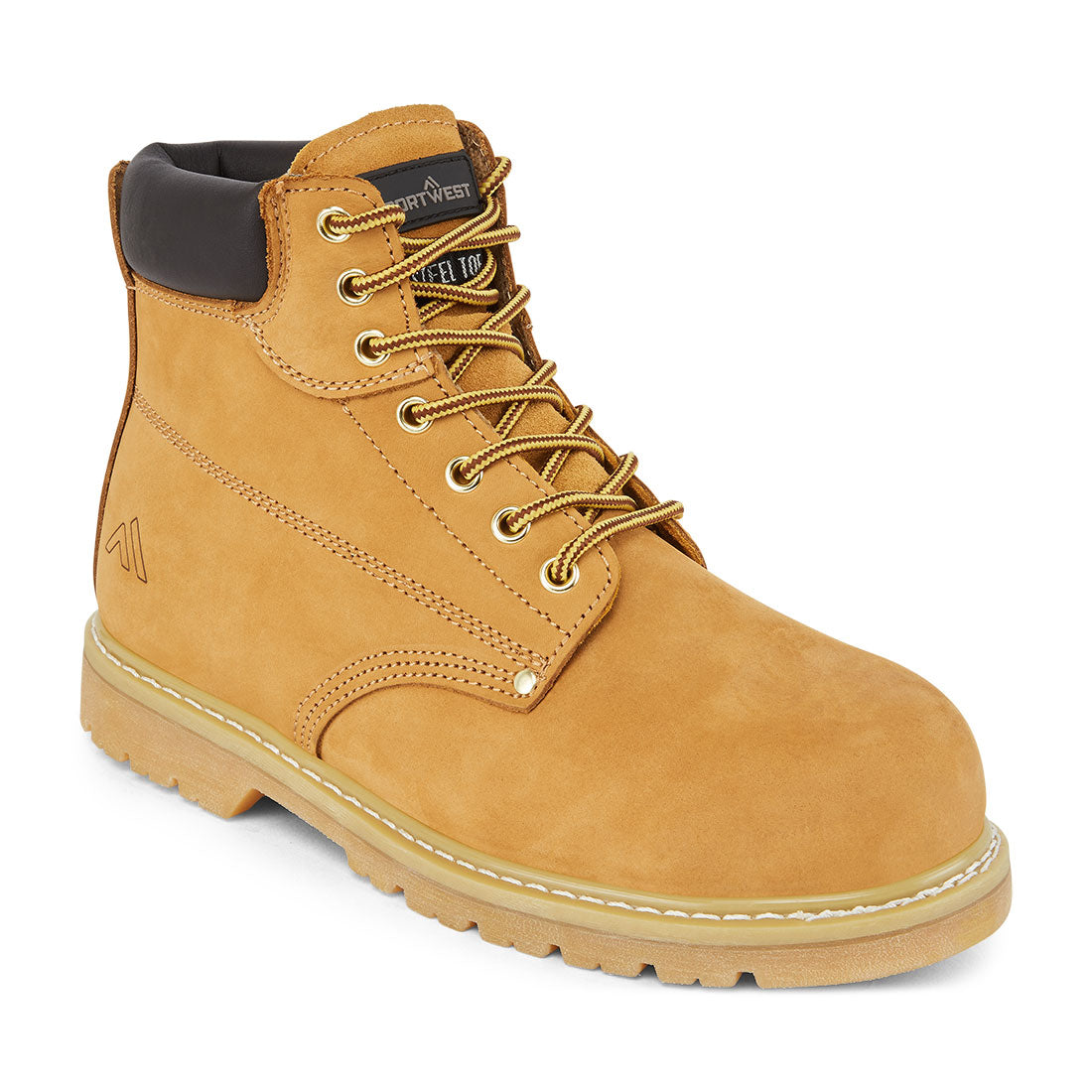
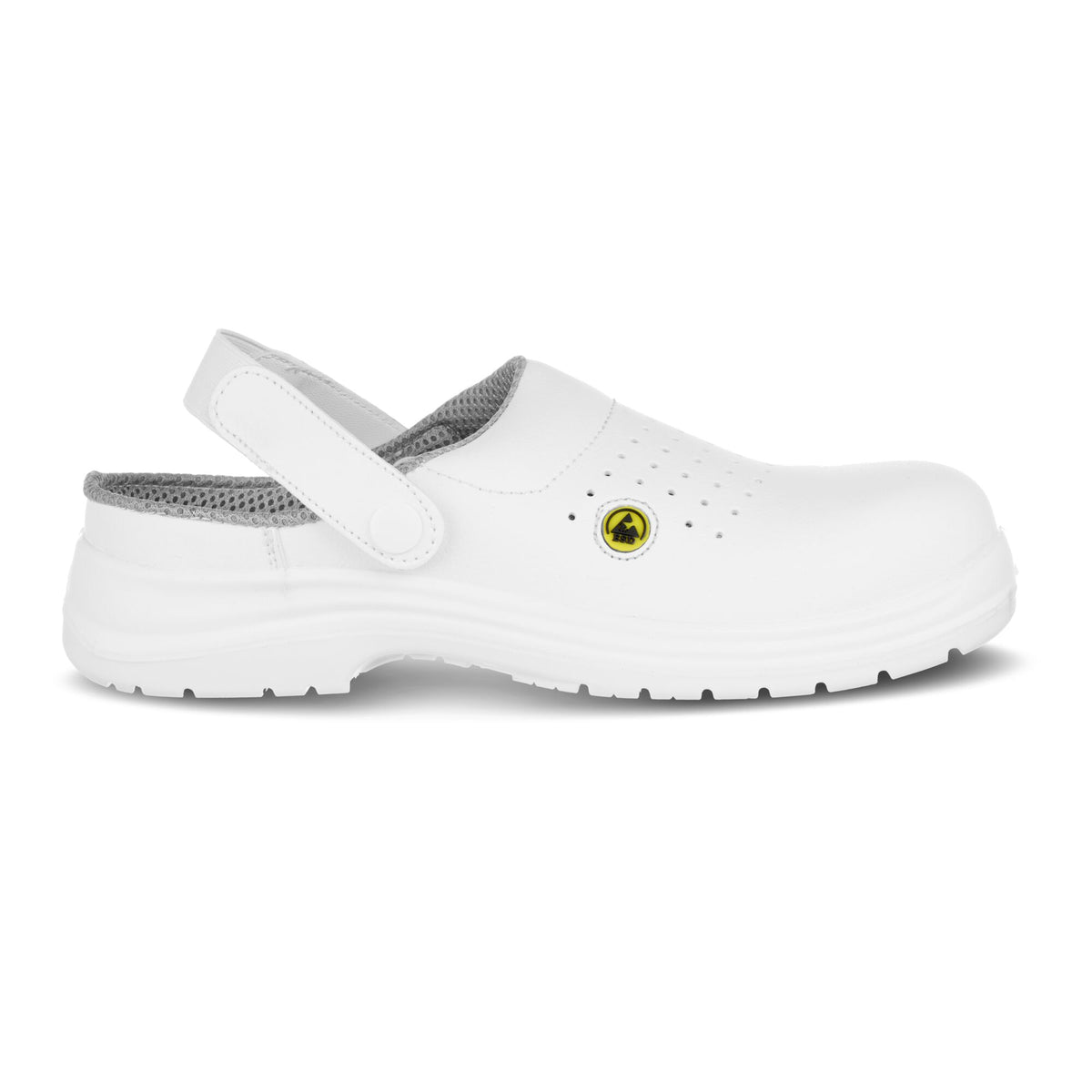
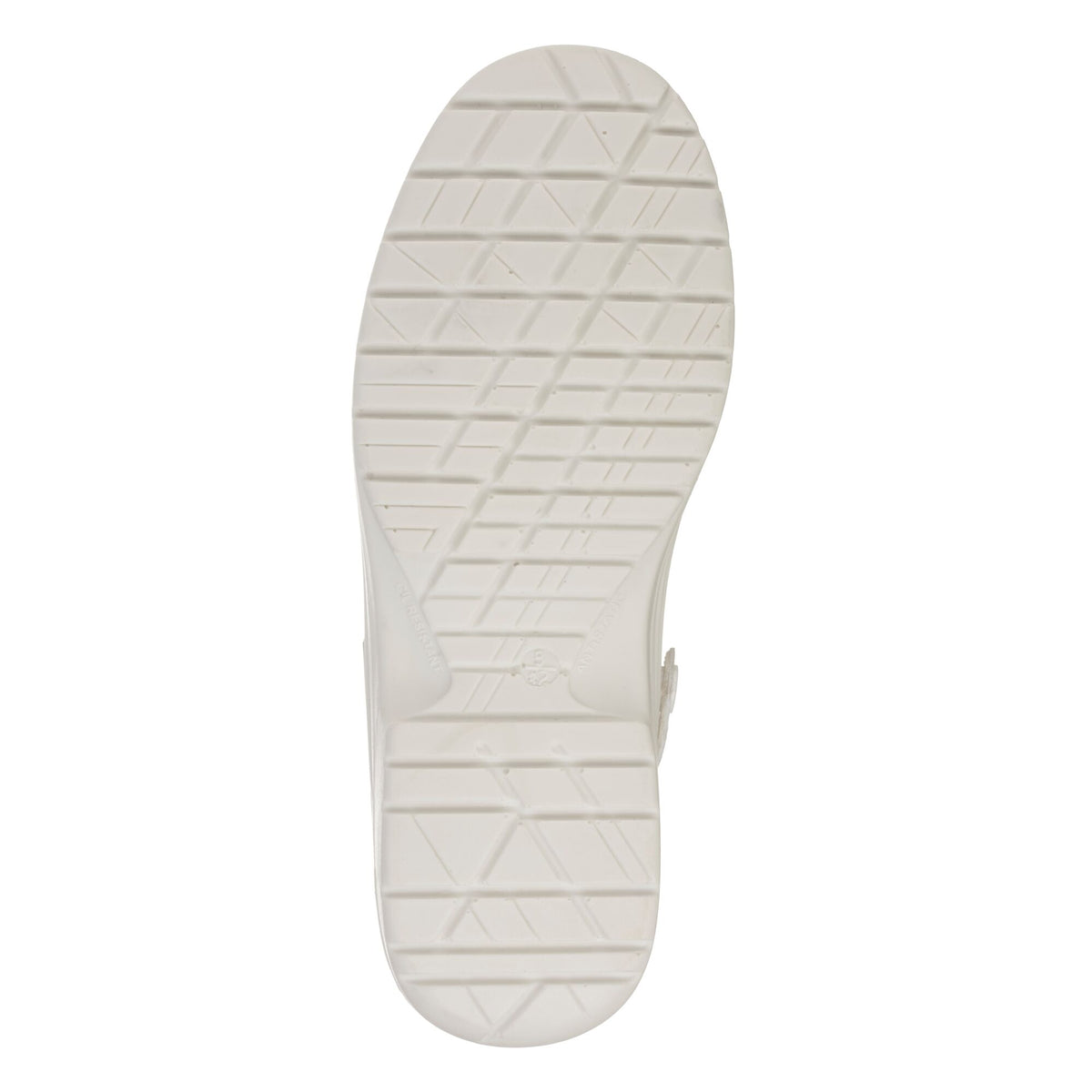
Safety shoes SB

6 products

Showing 1 - 6 of 6 products

Showing 1 - 6 of 6 products
View

What do you get with SB?

SB is the bare-bones basis of the standard: a toe cap that absorbs a 200-joule impact and a sole that isn't affected by oil or petrol. Anti-static, energy-absorbing, water-repellent and penetration-resistant don't need to be present with SB. In practice, you mostly come across SB as a visitor shoe or for light, dry indoor work.

When do you need more?

If there could be nails or shards on the floor, choose SBP or S1P. If you work in wet conditions or outdoors, S3 is the standard. The full overview of classes is on the work shoes page.

Frequently asked questions

What exactly does class SB involve?

SB is the basic class of EN ISO 20345: the shoe has a protective toe cap that absorbs a 200-joule impact and a sole resistant to oil and petrol. There are no further requirements. Everything beyond that, from anti-static to penetration-resistant, is in the higher classes.

When is SB enough?

Only if the only risk at the workplace is falling or rolling objects, for example when visiting a production hall or doing occasional warehouse work. As soon as there's a risk of nails, static charge or wet conditions, you need S1P, S2 or S3.

What does SR mean on a work shoe?

SR means the sole has passed an additional slip resistance test on a ceramic tile with glycerine. This comes on top of the basic test that every safety shoe must pass under the current EN ISO 20345. On older models you still see SRA, SRB or SRC, the markings from the previous version of the standard. If you work on slippery floors, always choose a shoe with one of these codes.

Can an SB work shoe be water-repellent?

Yes, if the shoe has the additional code WPA. This indicates that the upper is tested for water penetration and water absorption. An SB shoe with WPA therefore keeps your feet drier in damp conditions and splashing water. For really wet work or work in water, a boot or an S5 model is usually the better choice.

Is your question not listed? Ask our specialists.

Recently viewed