Impact-resistant

15 products

Showing 1 - 15 of 15 products

Showing 1 - 15 of 15 products
View
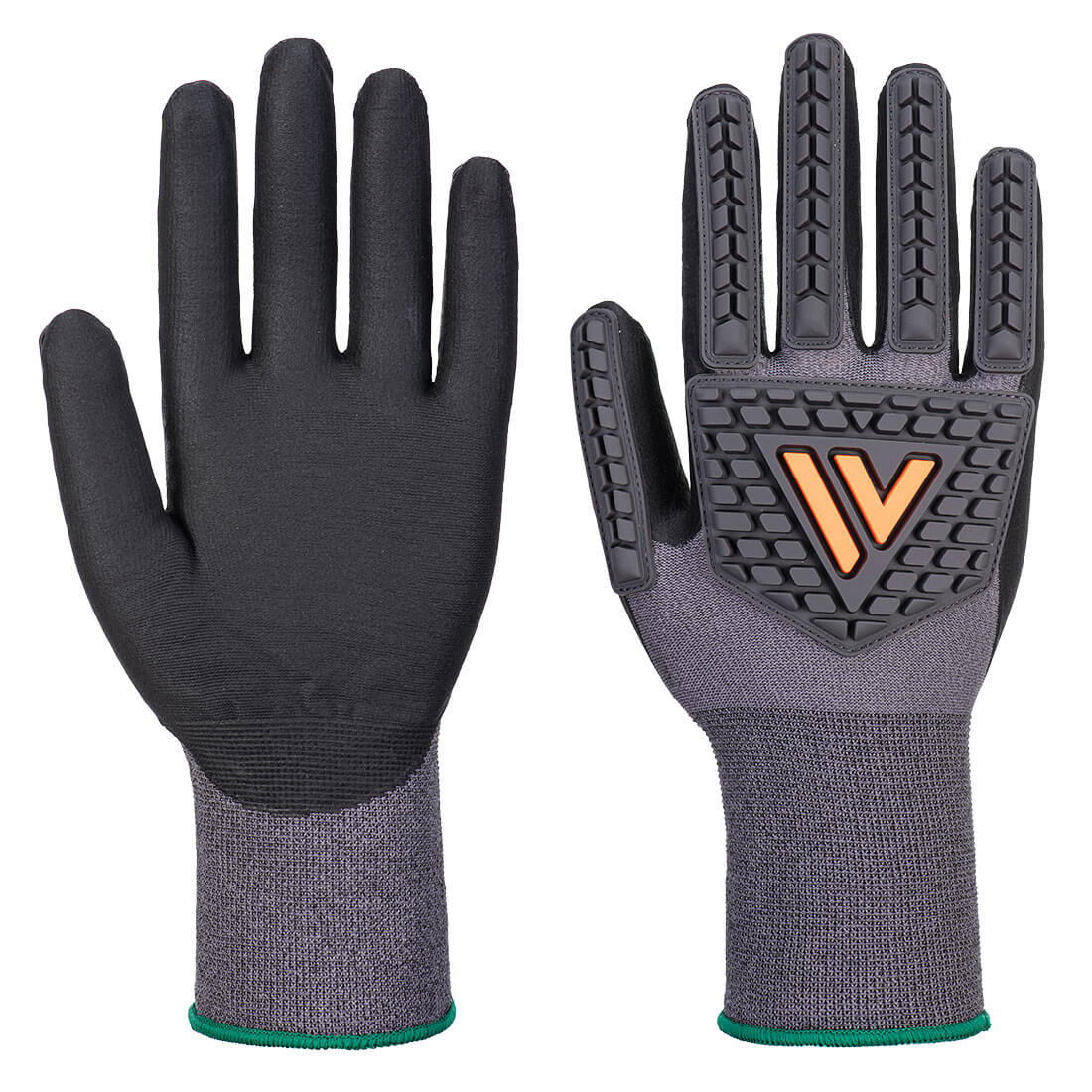
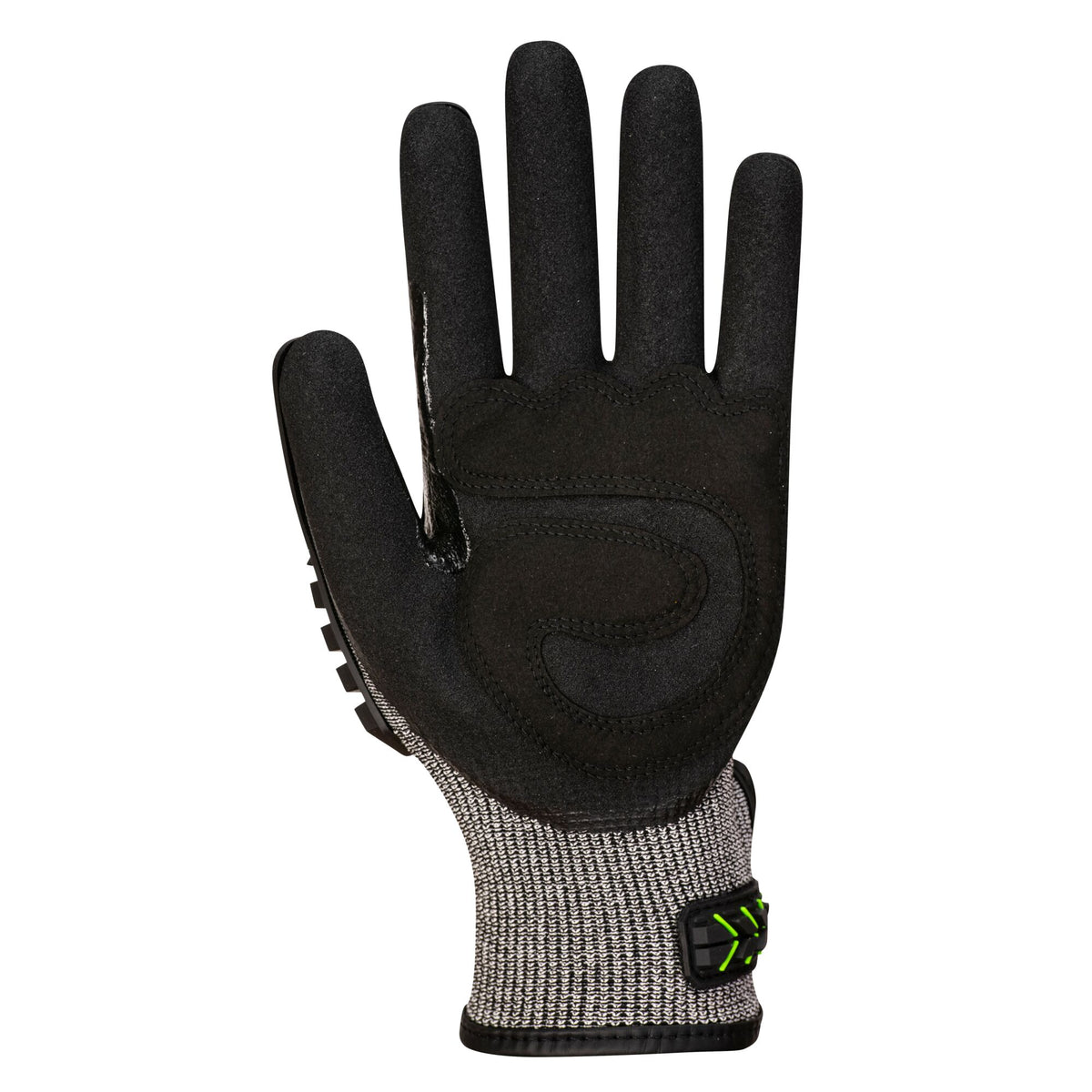
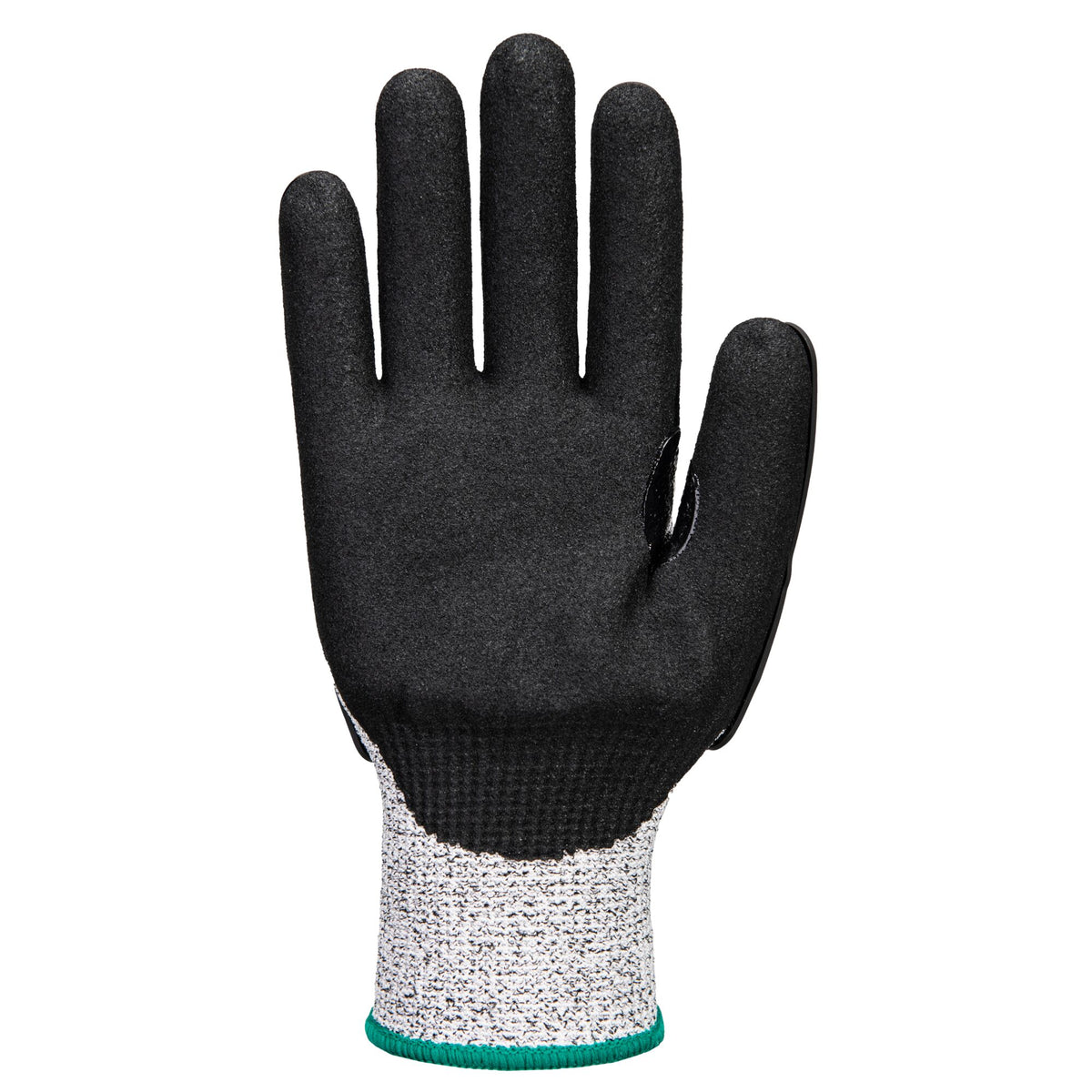
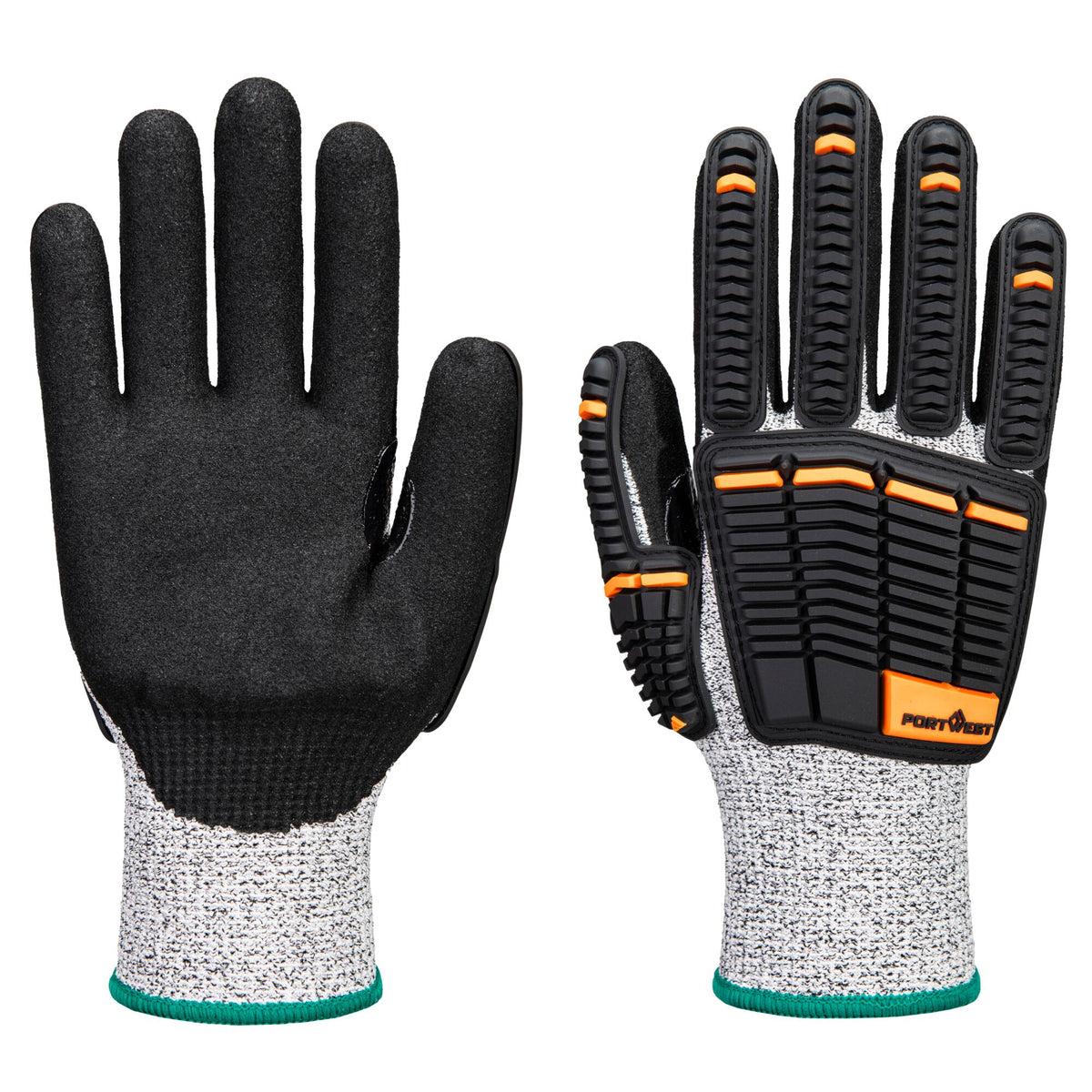
A732 - CS Impact F18 Nitrile Sandy Glove - Portwest - Grey/Black
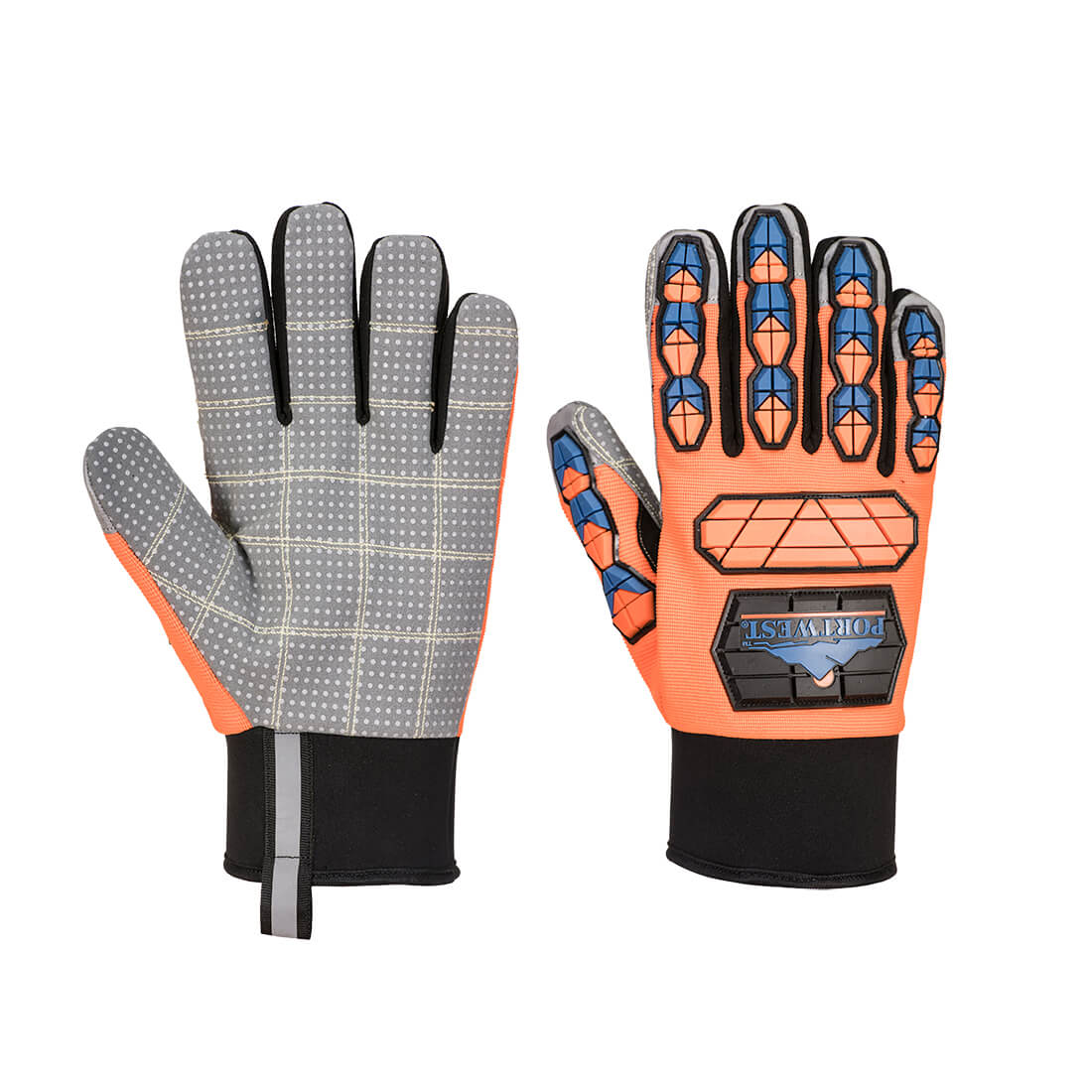
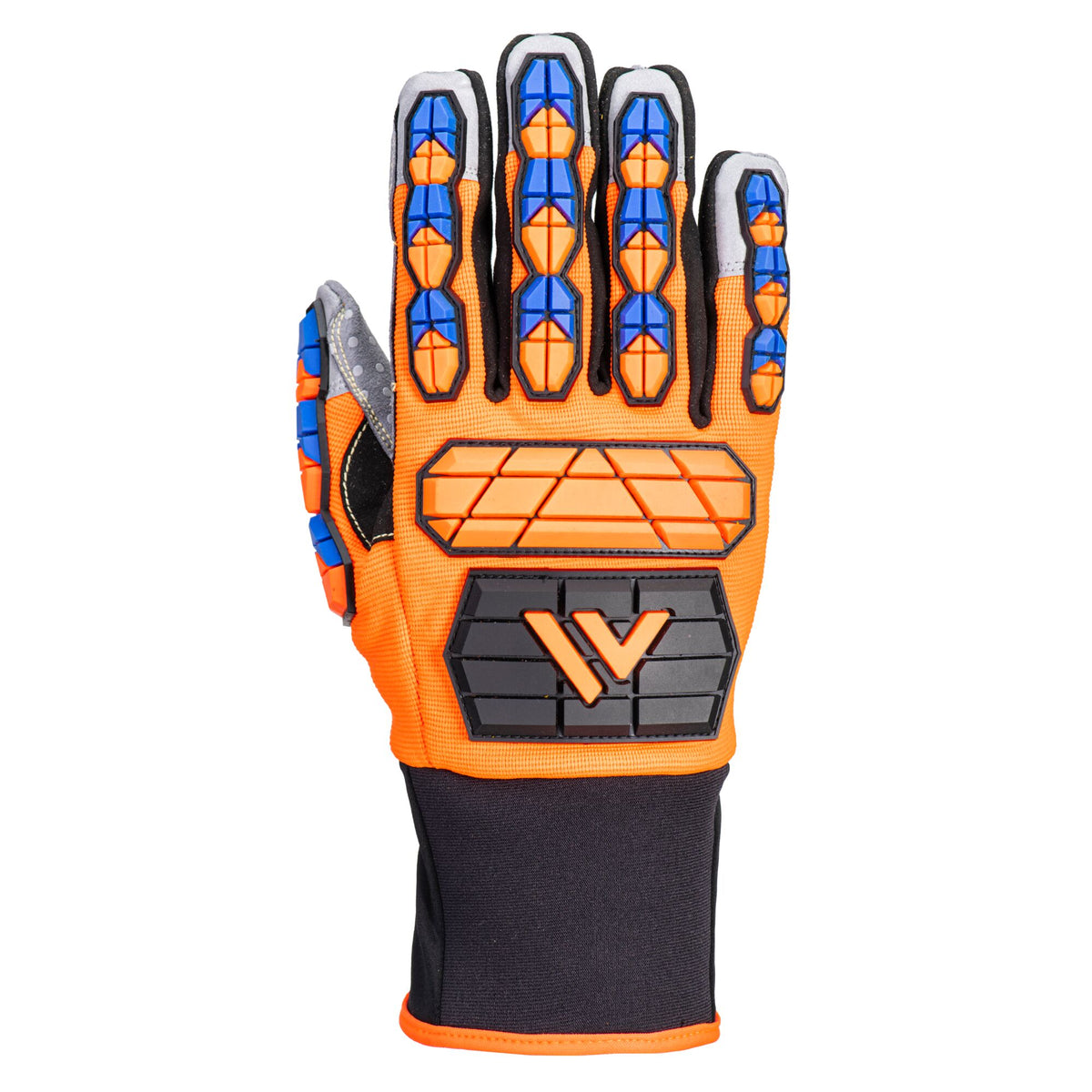
A726 - Aqua-Seal Pro Glove - Portwest - Orange/BlueAqua-Seal Pro Glove - Portwest A726 Portwest
Portwest Aqua-Seal Pro Glove - Portwest A726
+1
Sale price€26,81
Choose options

Protection where most gloves stop

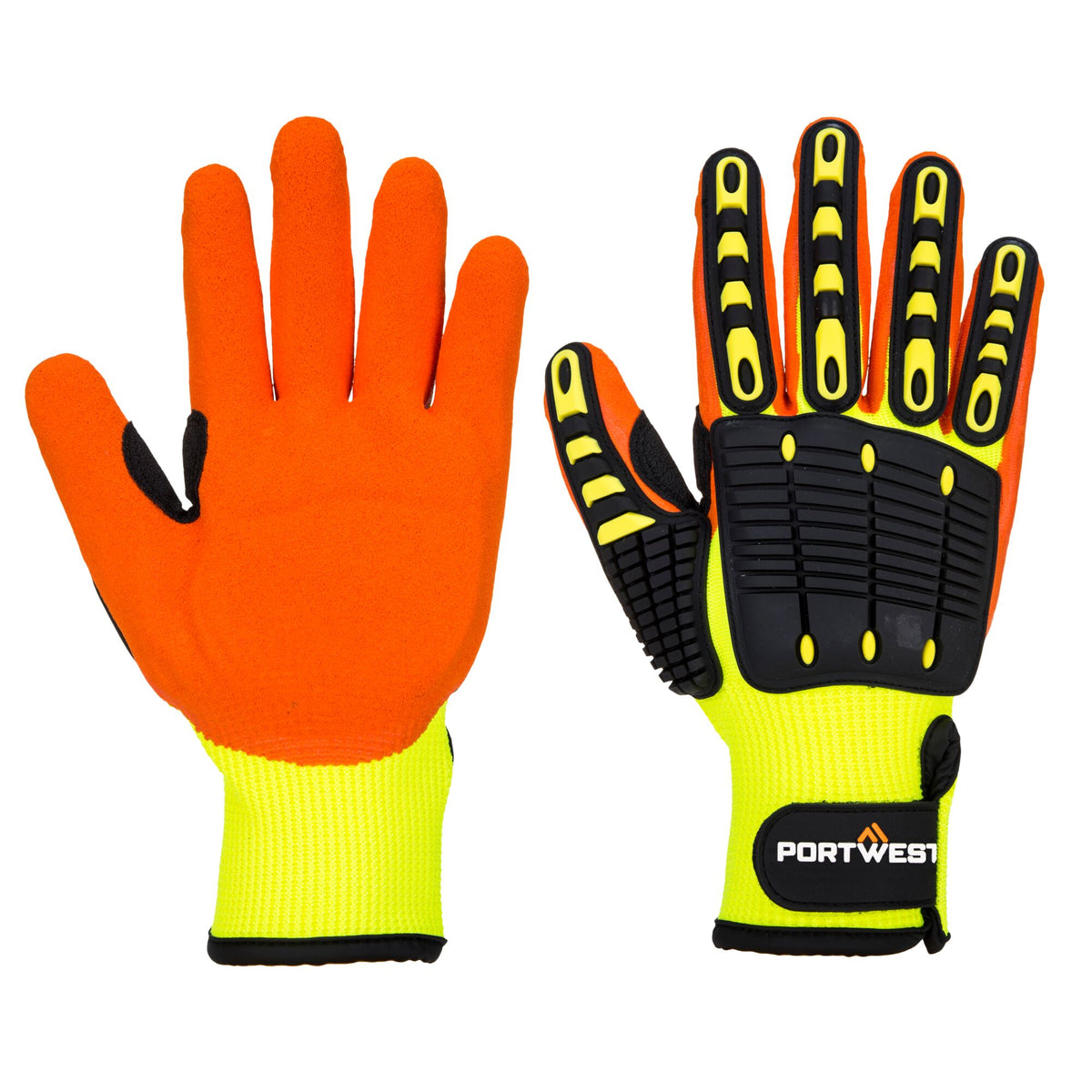
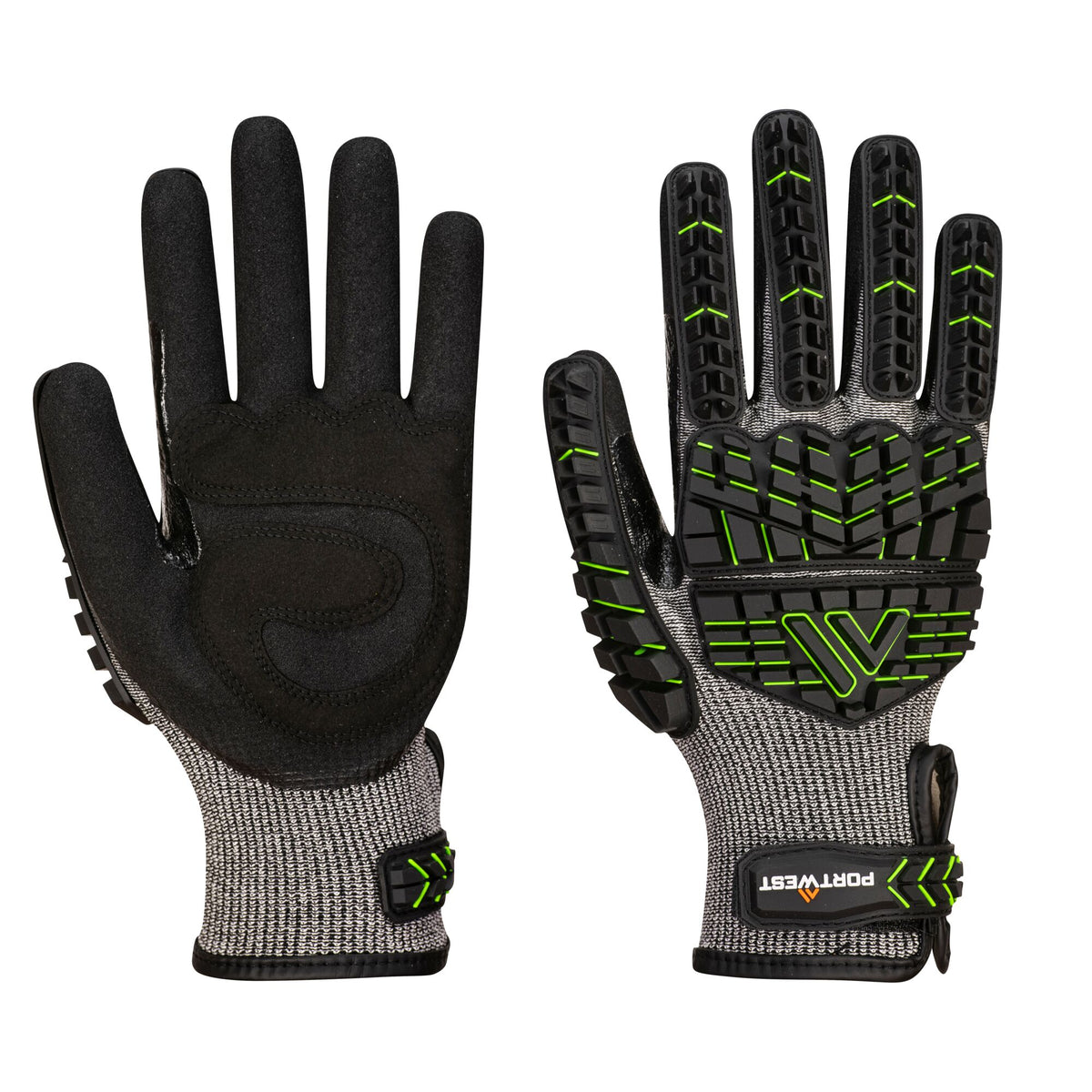
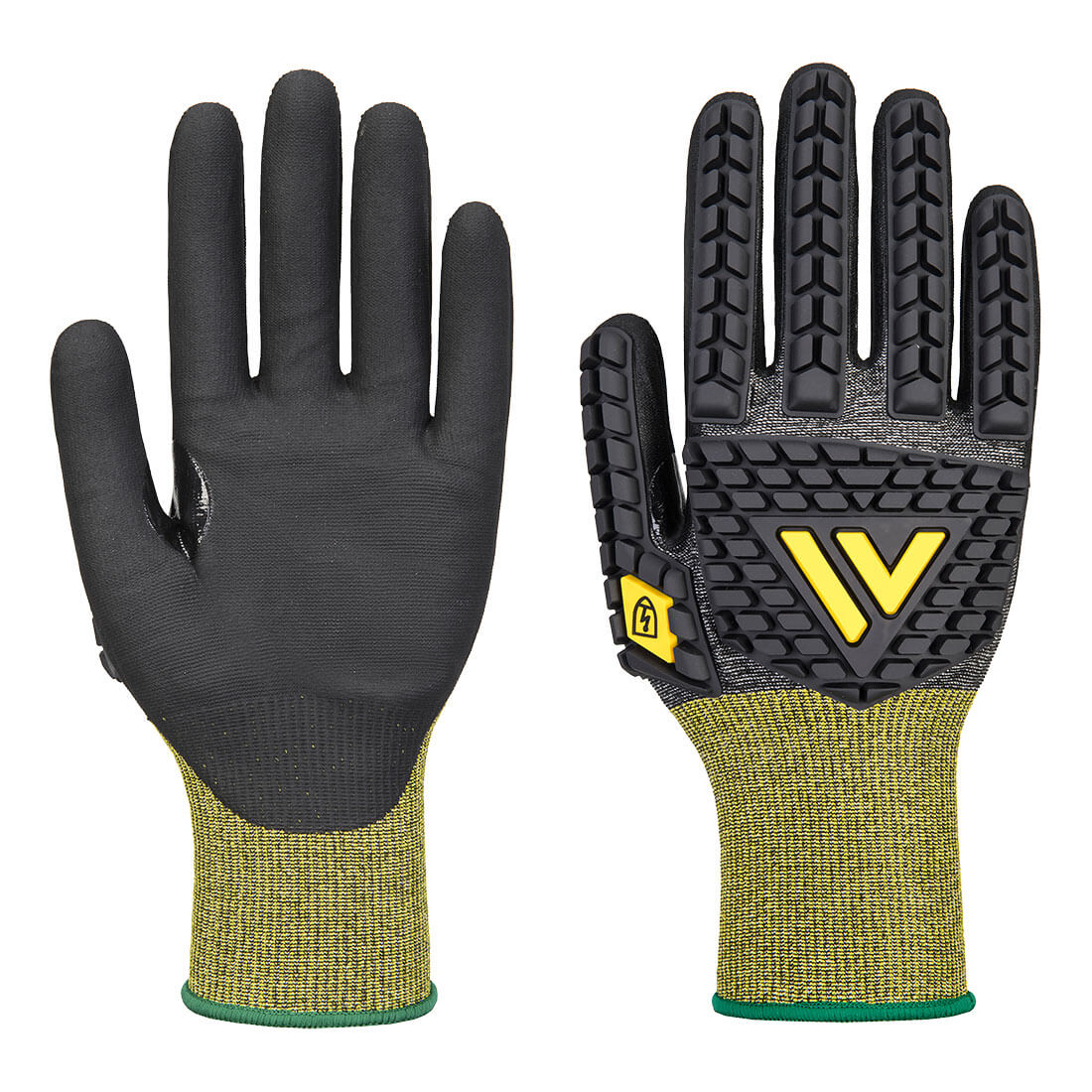
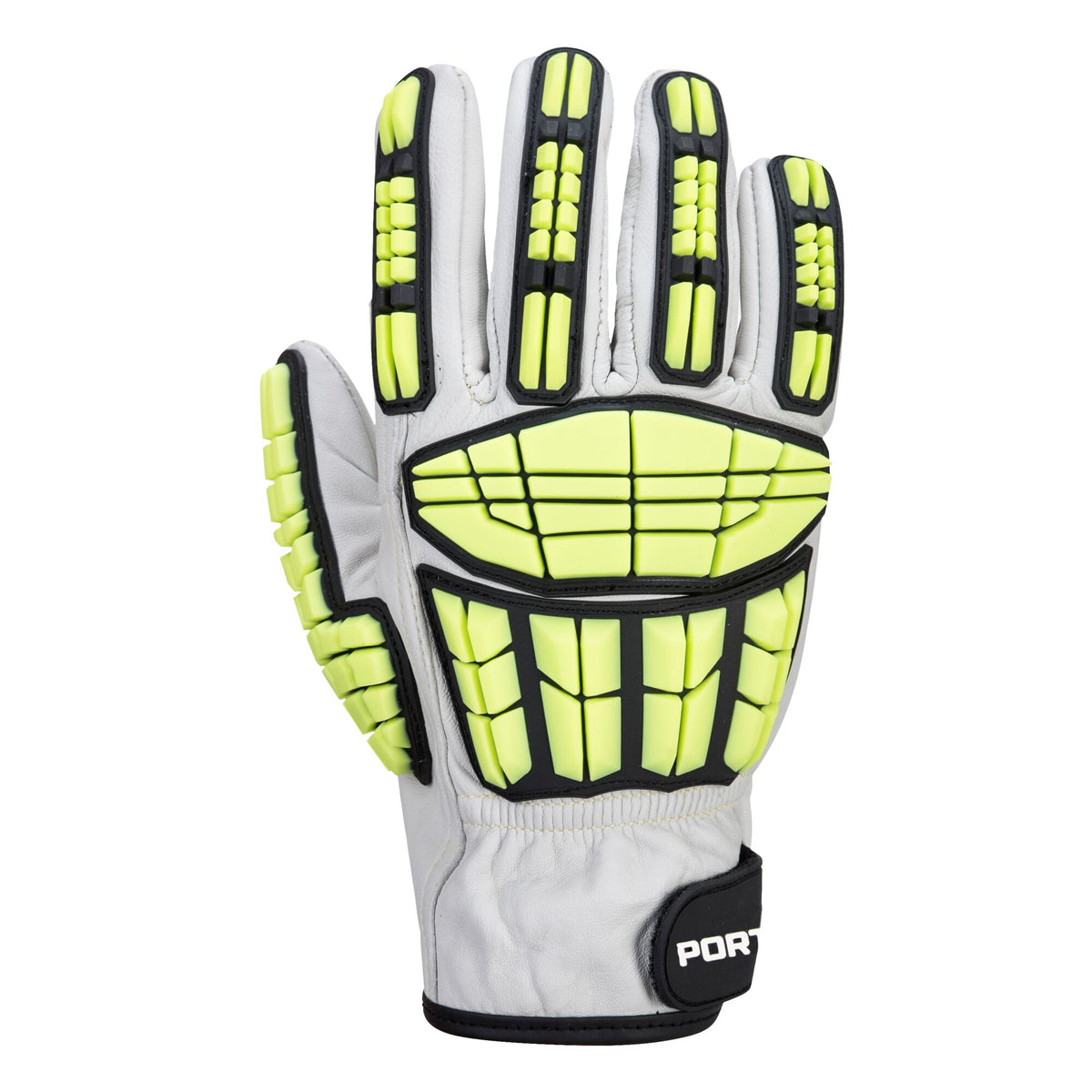
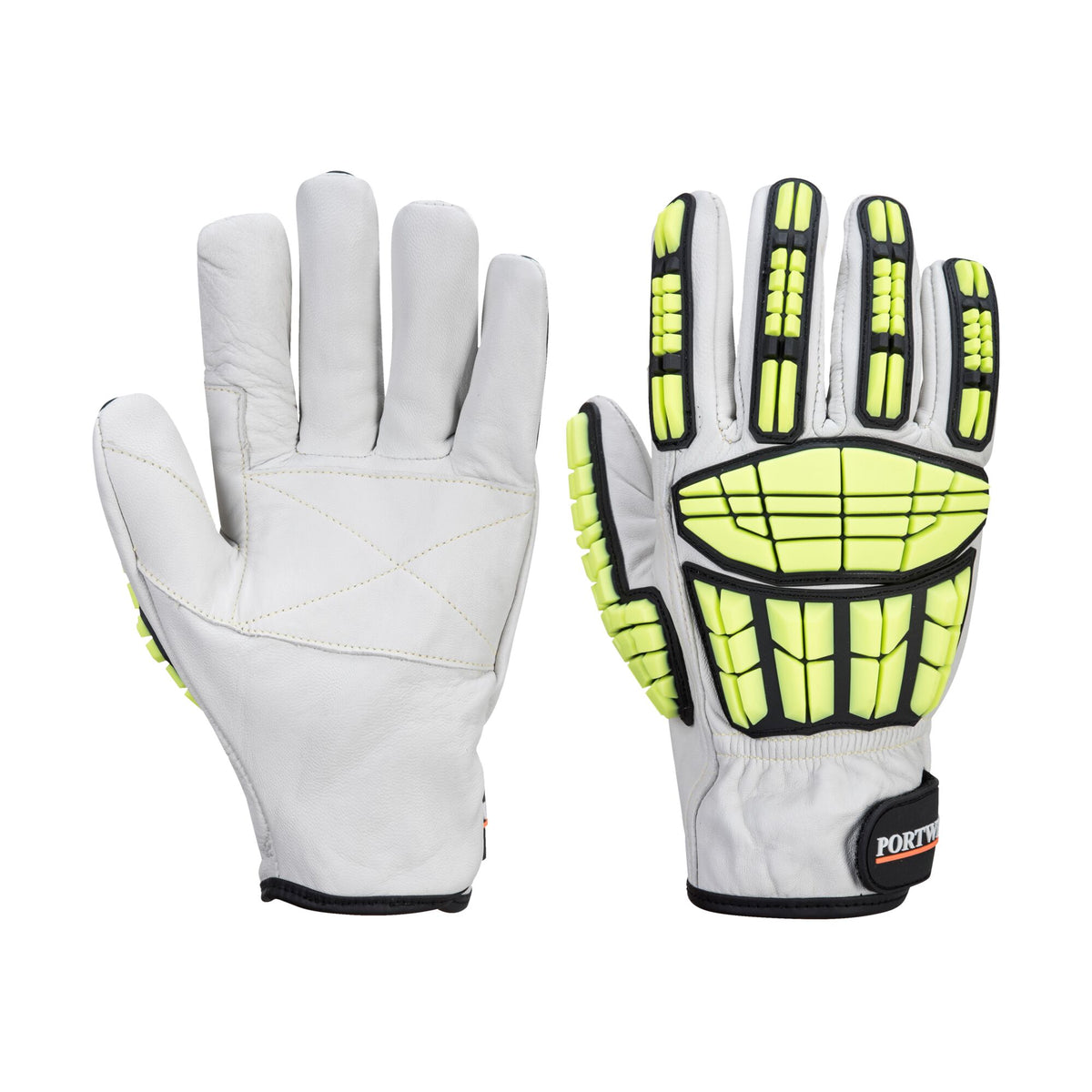
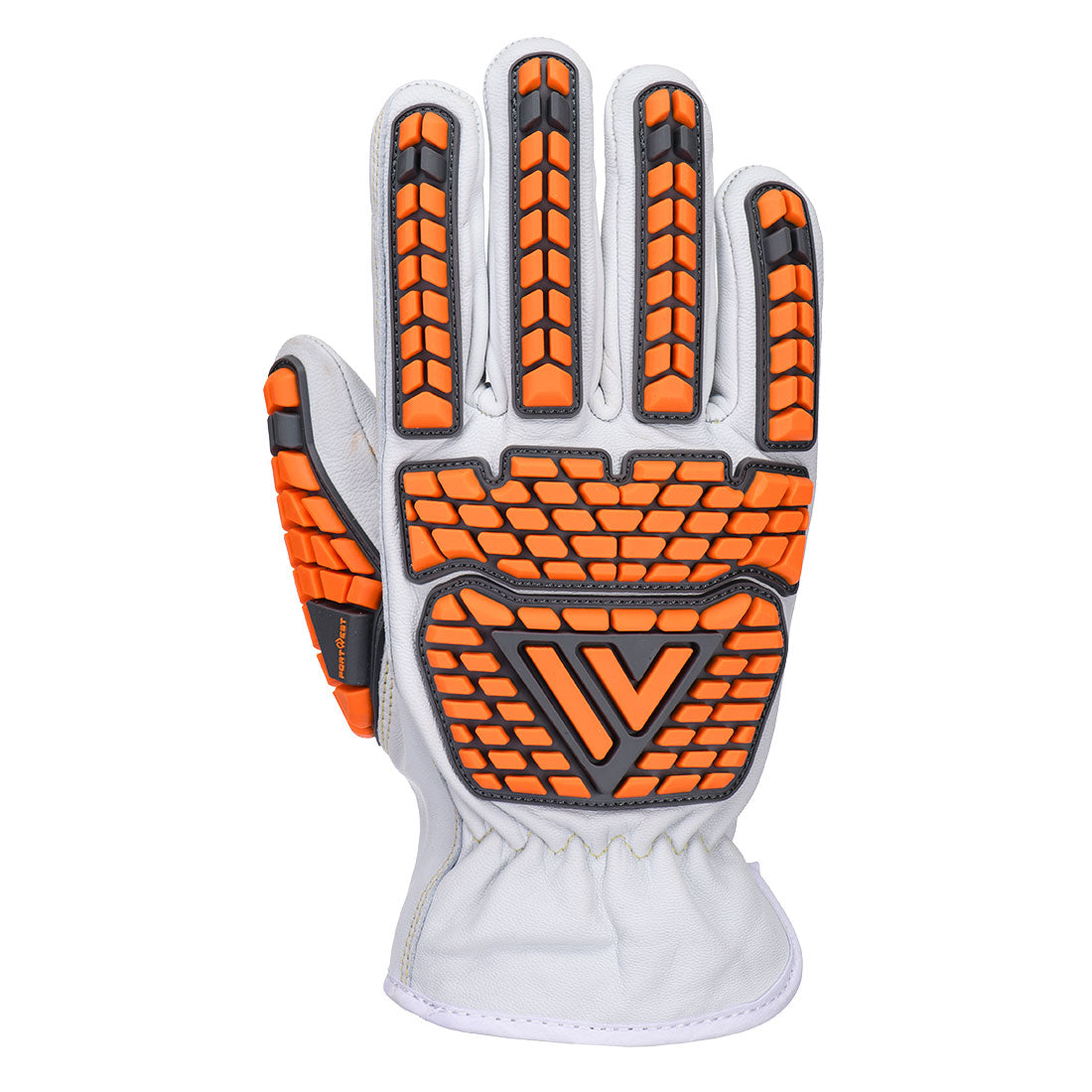
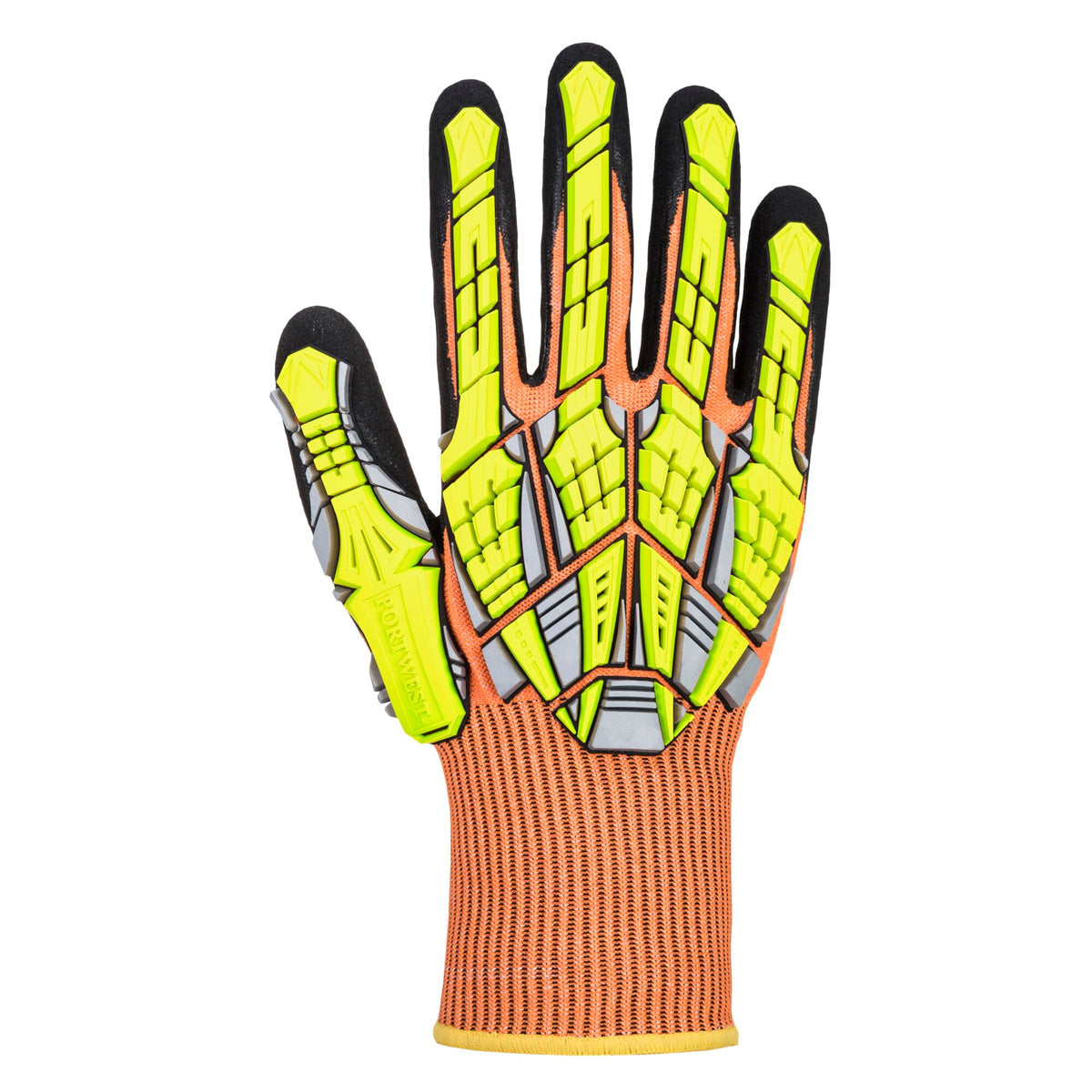
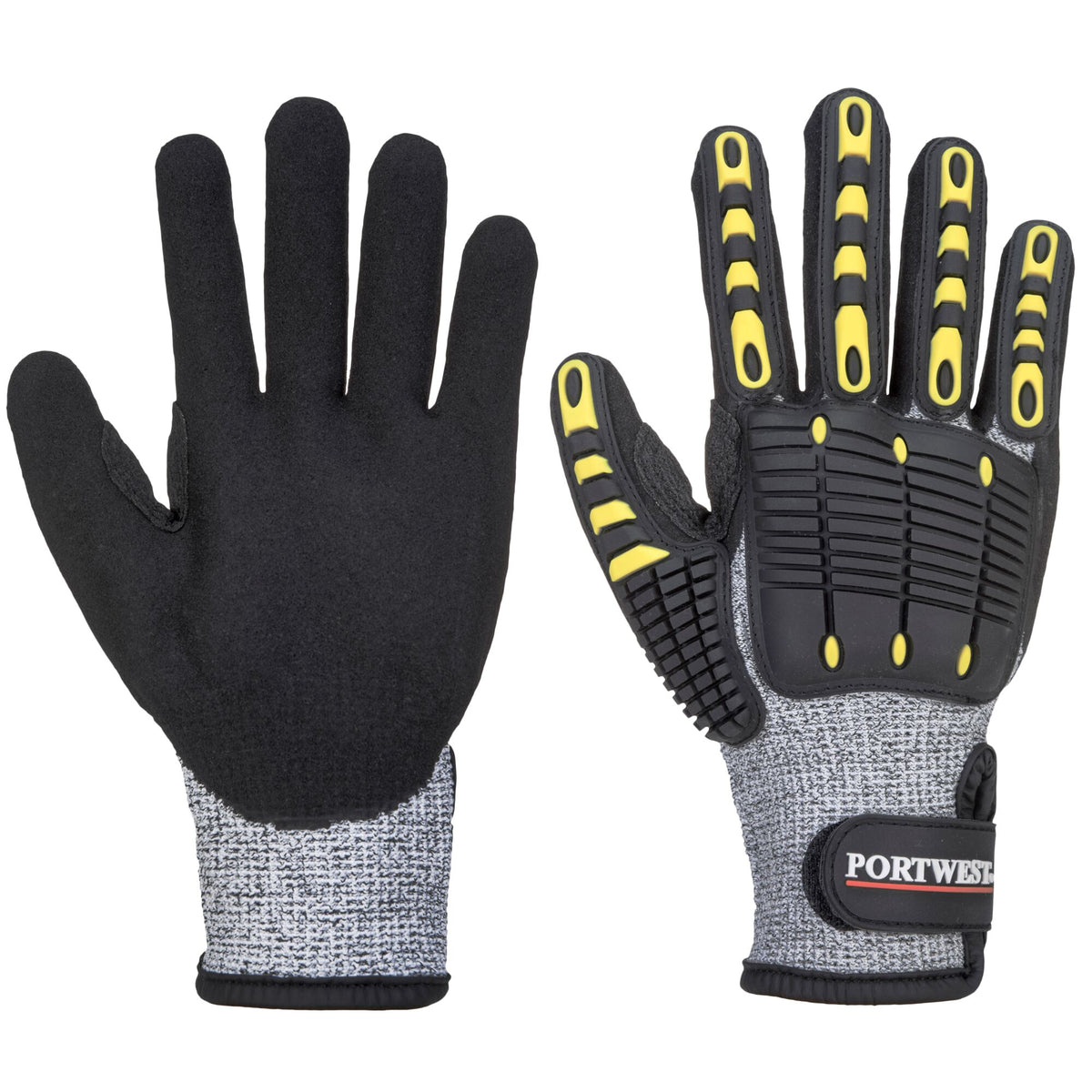
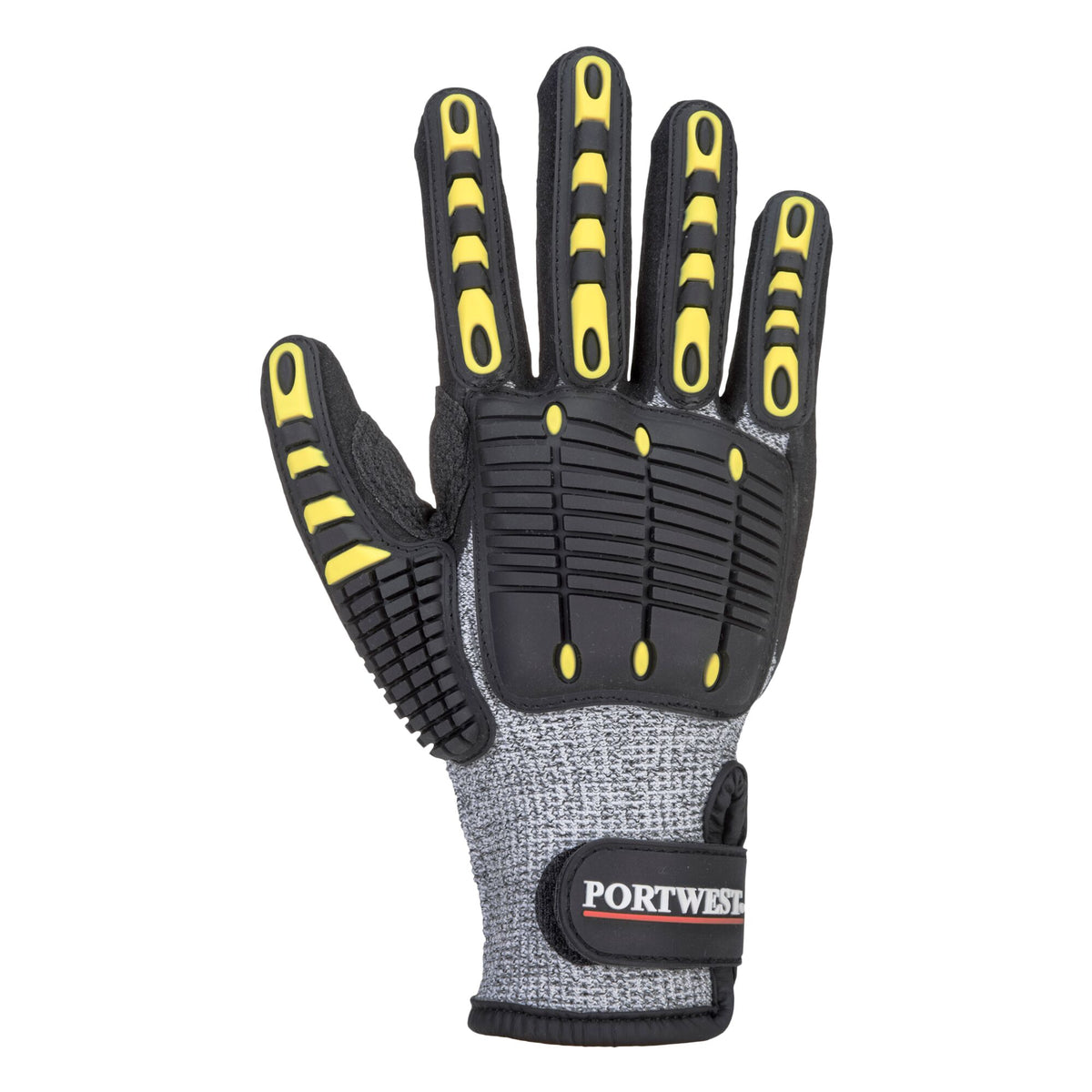
Most work gloves protect the palm. But the injuries that really put people out of action are often on the back of the hand and the fingers: getting caught between two pipes, a blow from a hose or a falling part. Anti-impact gloves have TPR protectors there that spread the impact.

Recognize the marking

Only a glove with the letter P after the EN 388 code has been demonstrably tested for impact protection. Thick protectors without that marking mean nothing. If you also work with sharp material, look at a version that combines impact protection with a high cut level.

Frequently asked questions

What does the P after EN 388 mean?

The letter P at the end of the EN 388 code means the glove has been tested for impact protection according to EN 13594, the so-called impact test. Only gloves with that P offer demonstrable protection against impacts and pinching on the back of the hand and fingers.

What are anti-impact gloves for?

For work where your hands can get caught or hit: drilling platforms, offshore, heavy assembly, mining and work with pipes, chains and heavy tools. The TPR protectors on the back absorb the blow without you losing grip.

Can you still work precisely with anti-impact gloves?

Yes, to a reasonable extent. Modern models have flexible TPR protectors with notches at the knuckles, so your fingers can bend well. For very precise work, such as small screws or connectors, a thin grip glove without protectors remains more practical. Many fitters therefore keep two pairs at hand and switch per task.

Are there anti-impact gloves for wet conditions?

Yes, there are waterproof models with a full coating or a waterproof lining, suitable for wet and oily work such as offshore, in ports or outdoors in bad weather. A fully dipped glove does breathe less; for dry work, a model with an open, breathable back is cooler and more pleasant to wear all day.

Is your question not listed? Ask our specialists.

Recently viewed