Fall protection

50 products

Showing 49 - 50 of 50 products

Showing 49 - 50 of 50 products
View
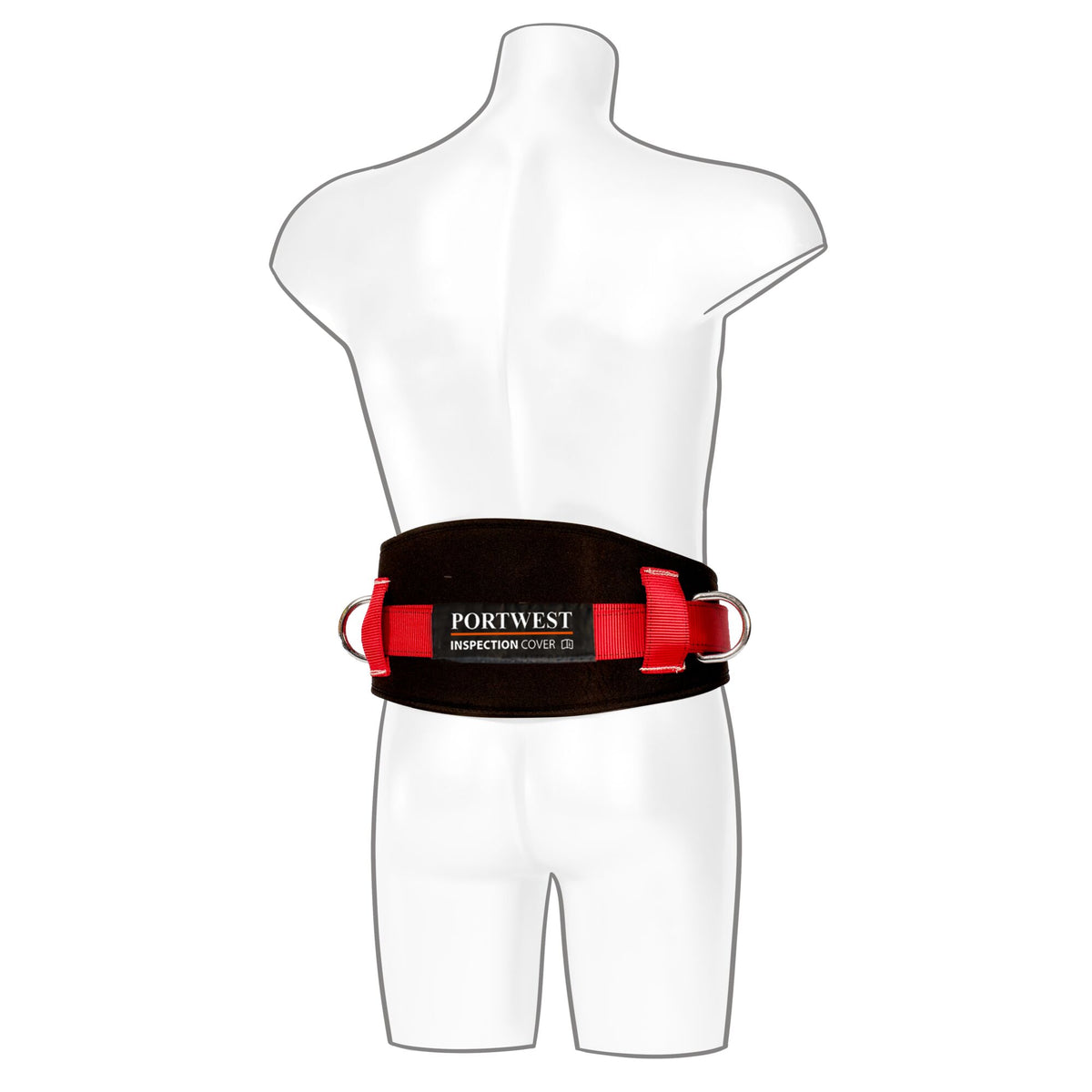
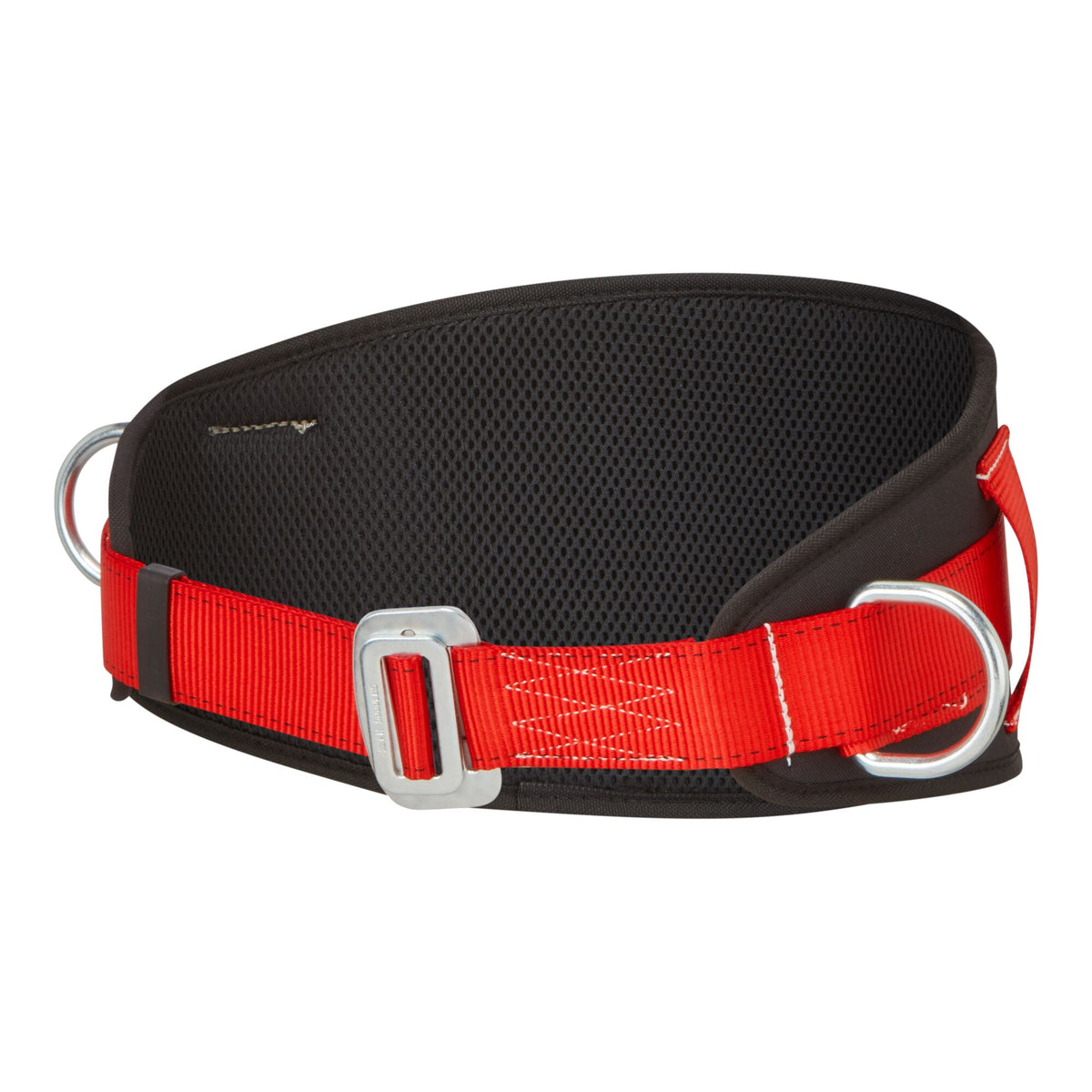
FP08 - Portwest Work Positioning Belt - PortwestFP08 - Portwest Work Positioning Belt - Portwest
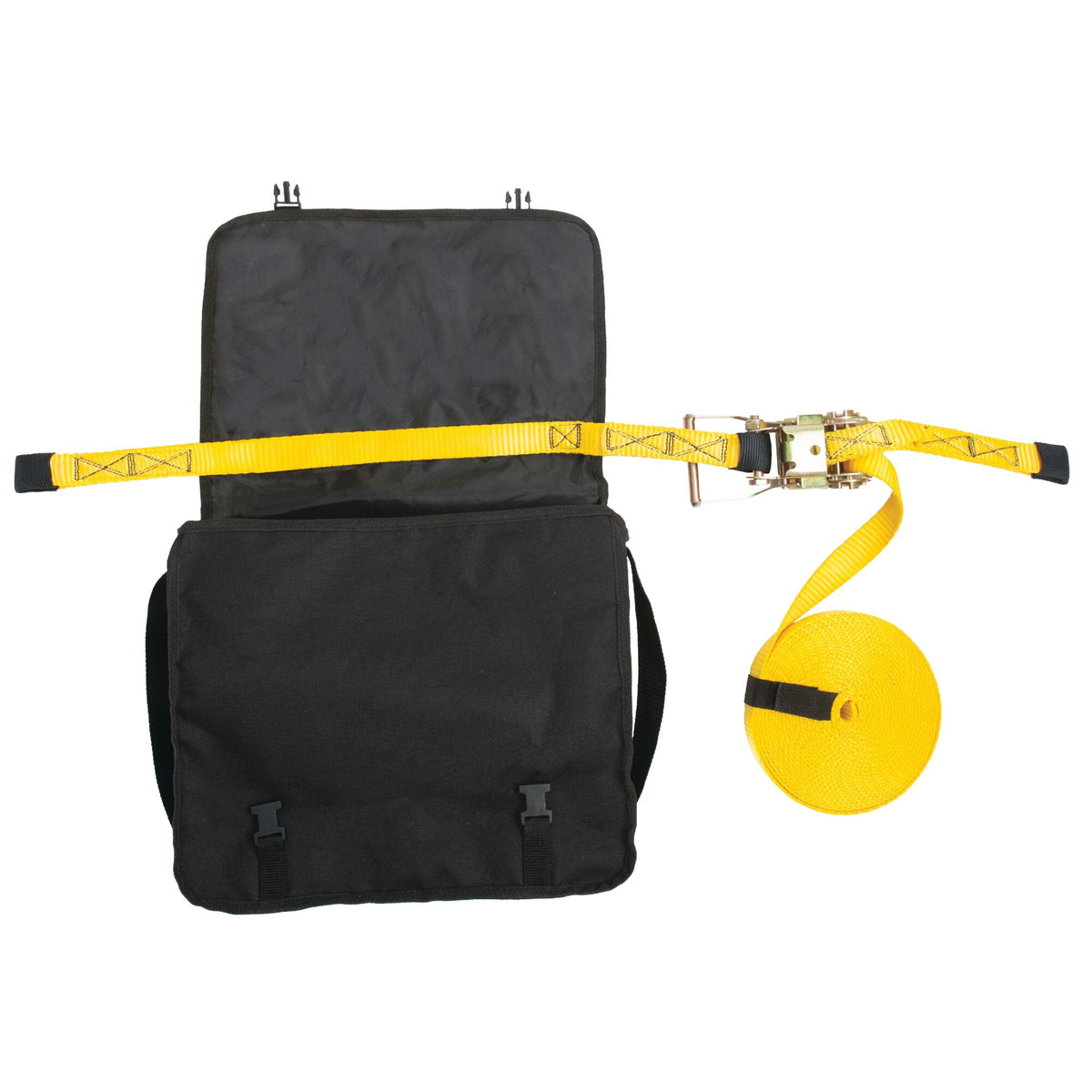
FP01 - Temporary 20 metre Horizontal Lifeline - Portwest

The three links of a fall protection system

Personal fall protection only works if all three components are right. The harness according to EN 361 distributes the forces over your body and has a D-ring on the back or chest. For more detail on what the EN 361 standard exactly requires, see our article on EN 361. The connecting device absorbs the fall: a lanyard with a shock absorber according to EN 355 or a fall arrest block according to EN 360 that follows your movement and locks on a fall. The anchor point according to EN 795 must be able to bear the forces; a pipe bracket or roof edge rarely is.

Always calculate the free fall clearance: the length of the lanyard, plus the extension of the shock absorber, plus your own body length and a safety margin. If that clearance isn't there, choose a system that prevents the fall rather than catching it.

Inspection and rescue plan

Fall protection must be inspected by a competent person at least annually, with a record kept. In addition, you check the equipment yourself before each use for damage, corrosion and legible labels. Also think about what happens after a fall: anyone left hanging in a harness is at risk of suspension trauma within a short time, so make sure a rescue plan and the means for it are in place.

Frequently asked questions

From what height is fall protection mandatory?

In the Netherlands, a fall hazard applies from 2.5 meters, and lower when there's extra risk, for example above water, protruding parts or traffic. First you look at collective protection such as railings or scaffolding; only when that's reasonably not possible do you use personal fall protection.

What do I minimally need for a fall protection set?

Three components: a harness according to EN 361, a connecting device with a shock absorber according to EN 355 or a fall arrest block according to EN 360, and a sound anchor point according to EN 795. Equally important is the free fall clearance beneath you: if that's too small, you'll hit the ground before the shock absorber has done its job.

Can I keep using fall protection after a fall?

No. A harness, lanyard or fall arrest block that has absorbed a fall is taken out of service immediately, even if nothing is visible: the shock absorber has stretched and the material is stressed to its core. The same applies if there's doubt about a piece of equipment's history.

What are suspension trauma straps for?

Suspension trauma straps are loops that you attach to your harness and unfold after a fall to stand in. This shifts your weight from the leg straps to your feet, so the blood circulation in your legs is less restricted. This gives more time until rescue and reduces the risk of suspension trauma. They do not replace a rescue plan.

May I extend a lanyard with energy absorber myself?

No, you may not extend a lanyard with energy absorber or connect it to a second line. According to EN 355, the total length including energy absorber and connectors is a maximum of 2 metres. A longer combination increases the fall distance, so the energy absorber can no longer arrest it and you could hit the ground or an obstacle.

Is your question not listed? Ask our specialists.

Recently viewed