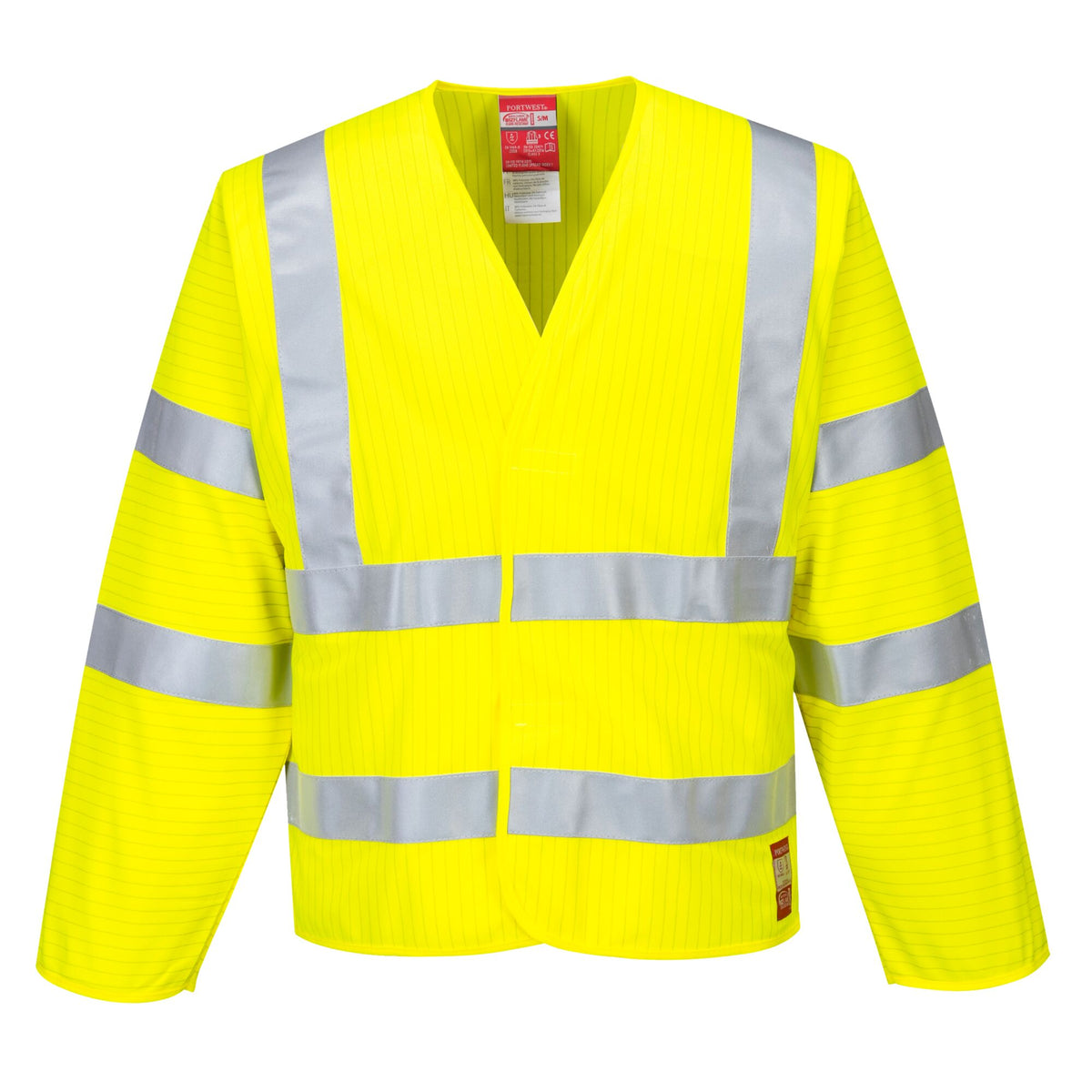
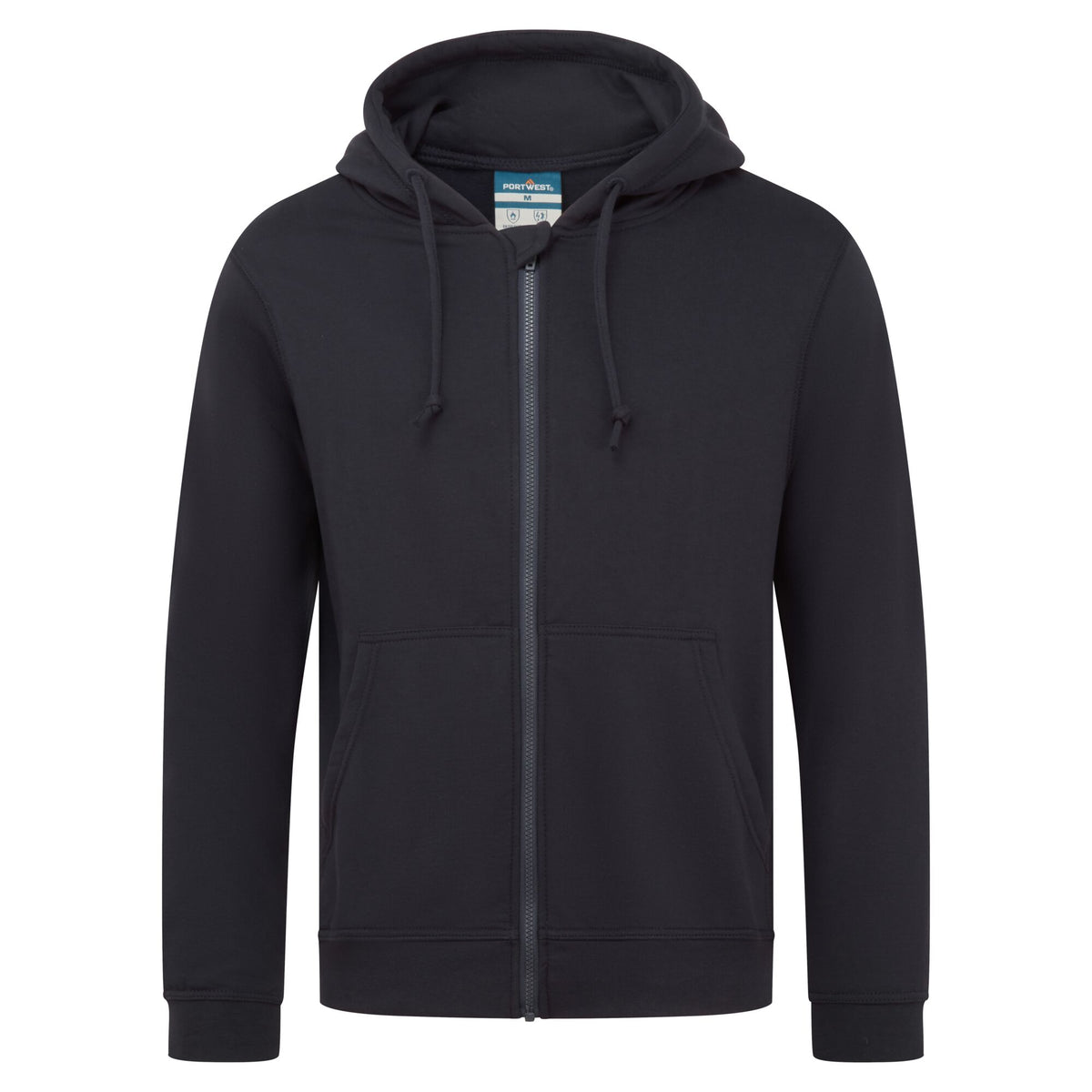
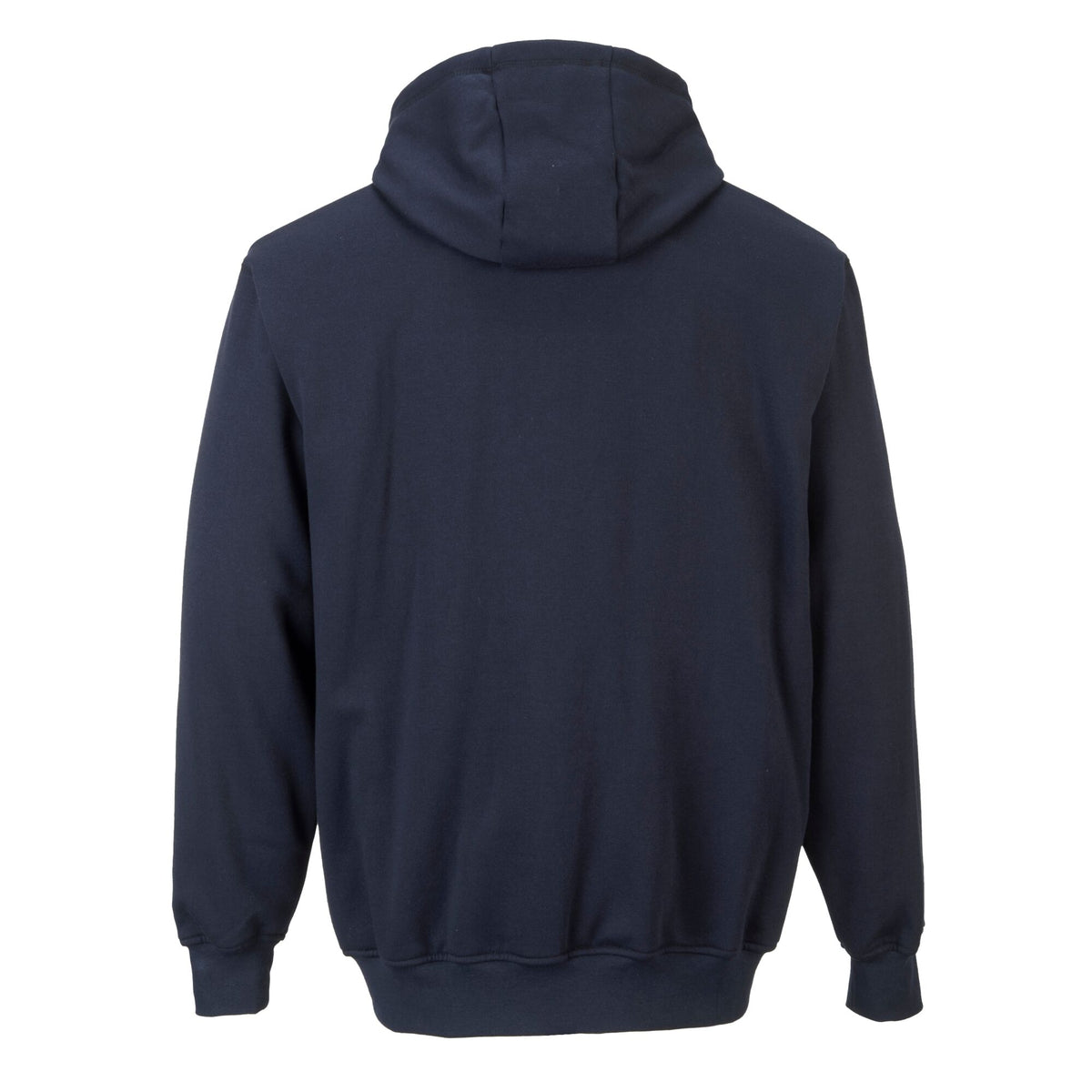
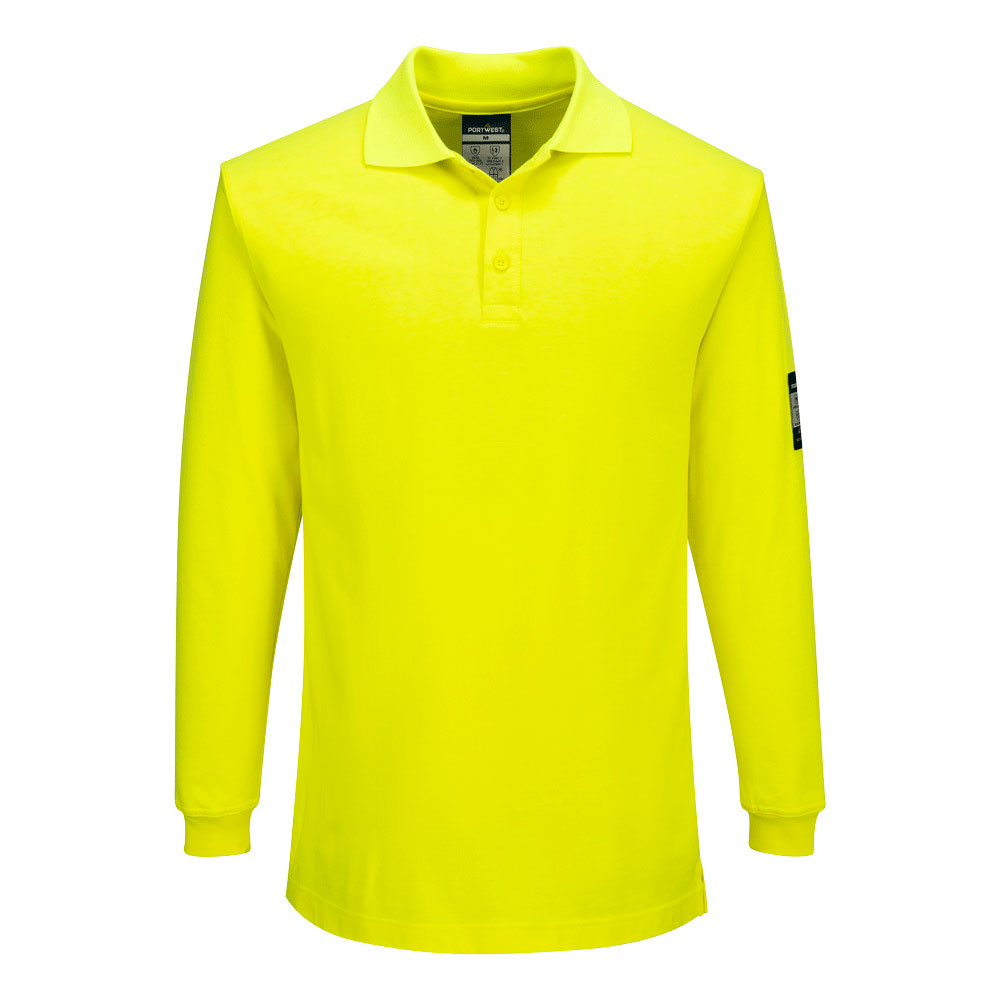
Flame resistant

209 products

Showing 25 - 48 of 209 products

Showing 25 - 48 of 209 products
View
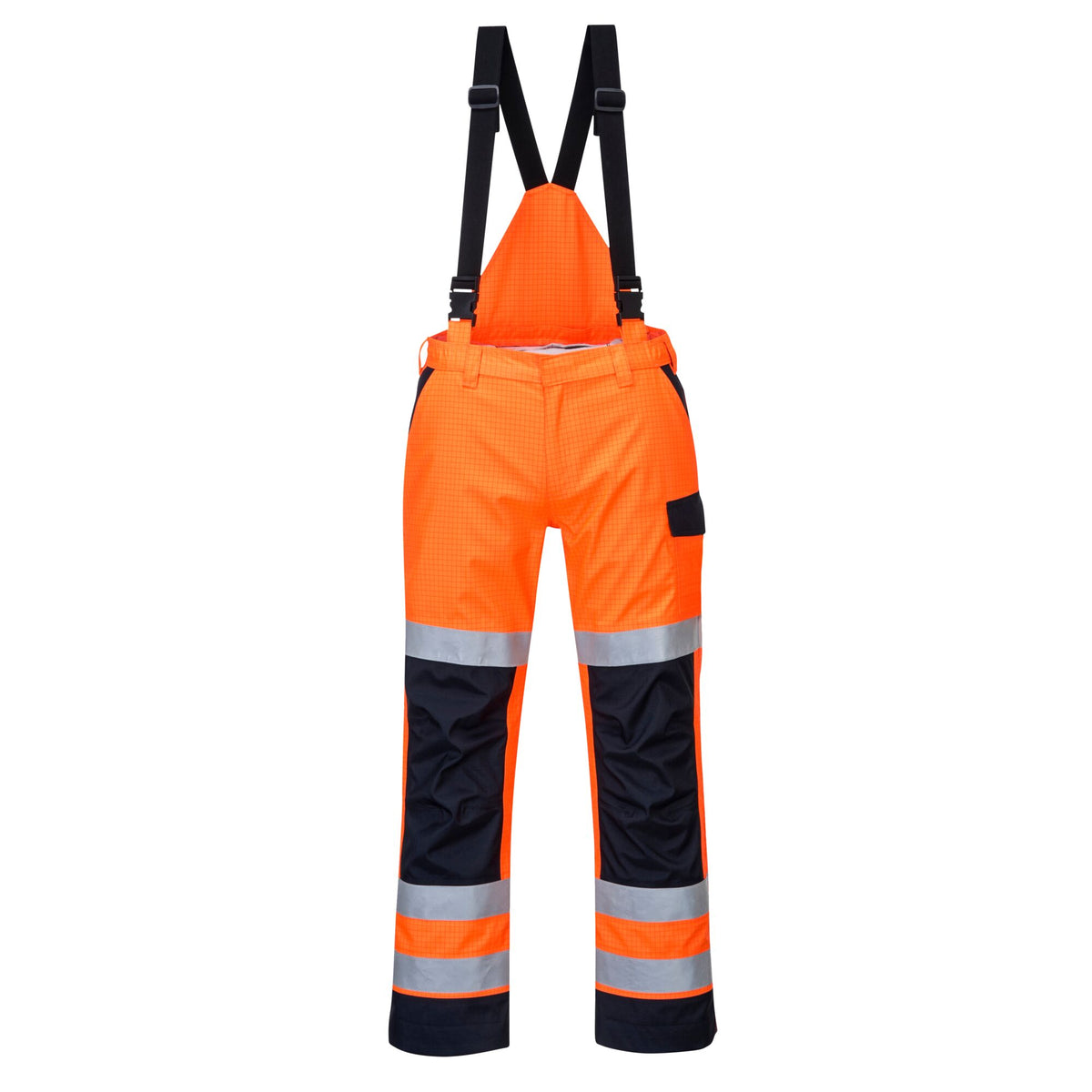
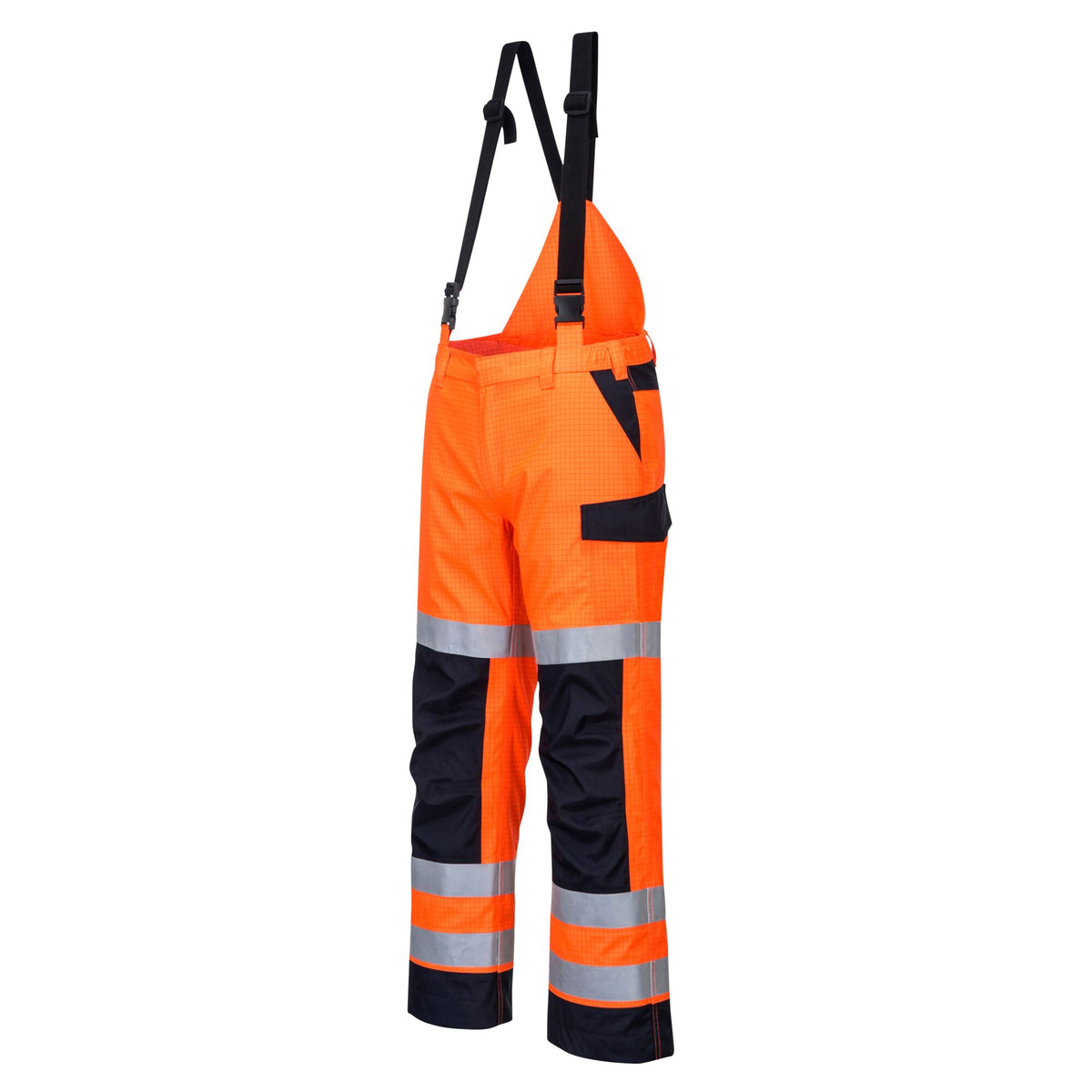
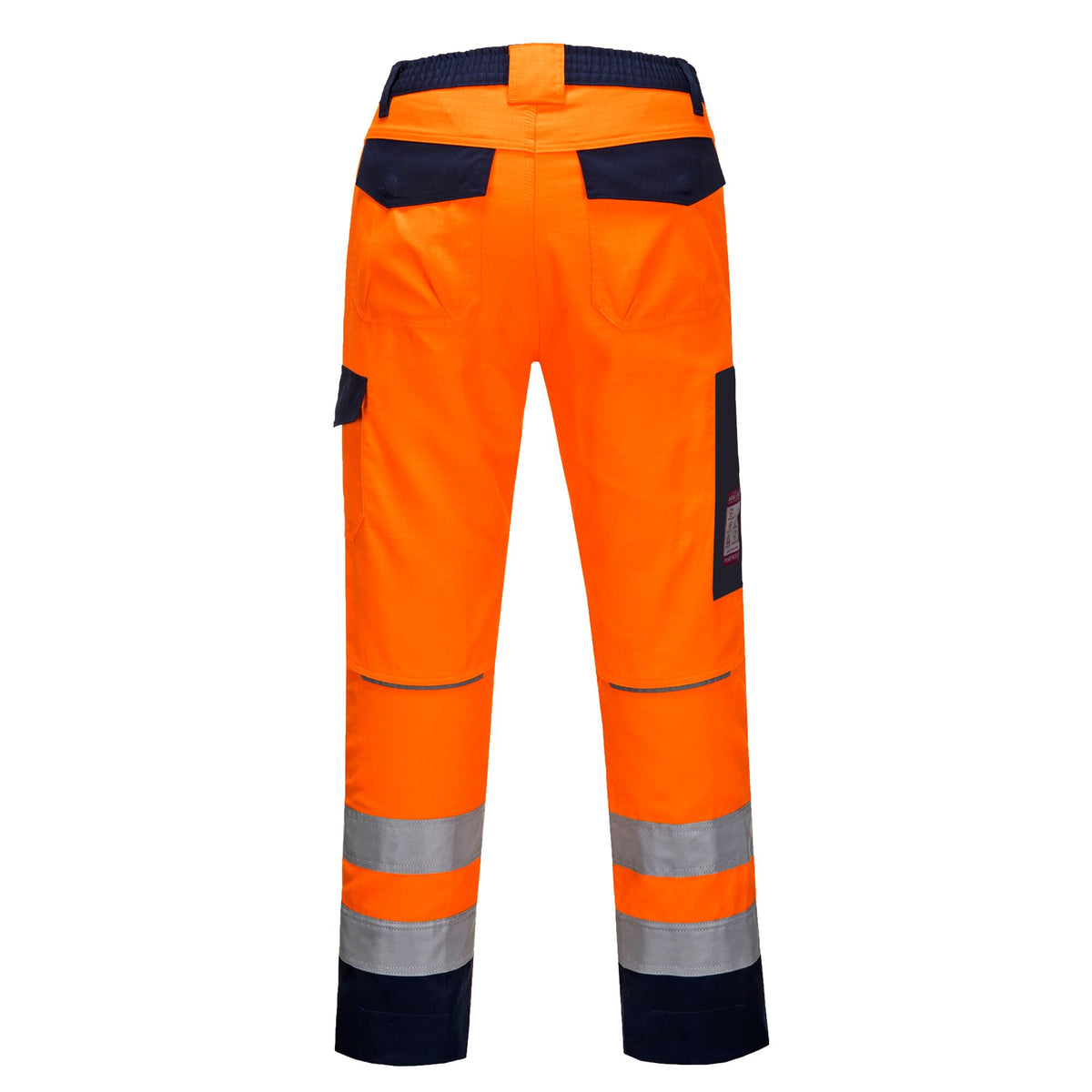
Modaflame Rain Multi-Norm Arc Trousers - Portwest MV71 PortwestModaflame Rain Multi-Norm Arc Trousers - Portwest MV71 Portwest
Portwest Modaflame Rain Multinorm Arc Trousers - Portwest MV71
+2
+1
Sale price€164,18
Choose options
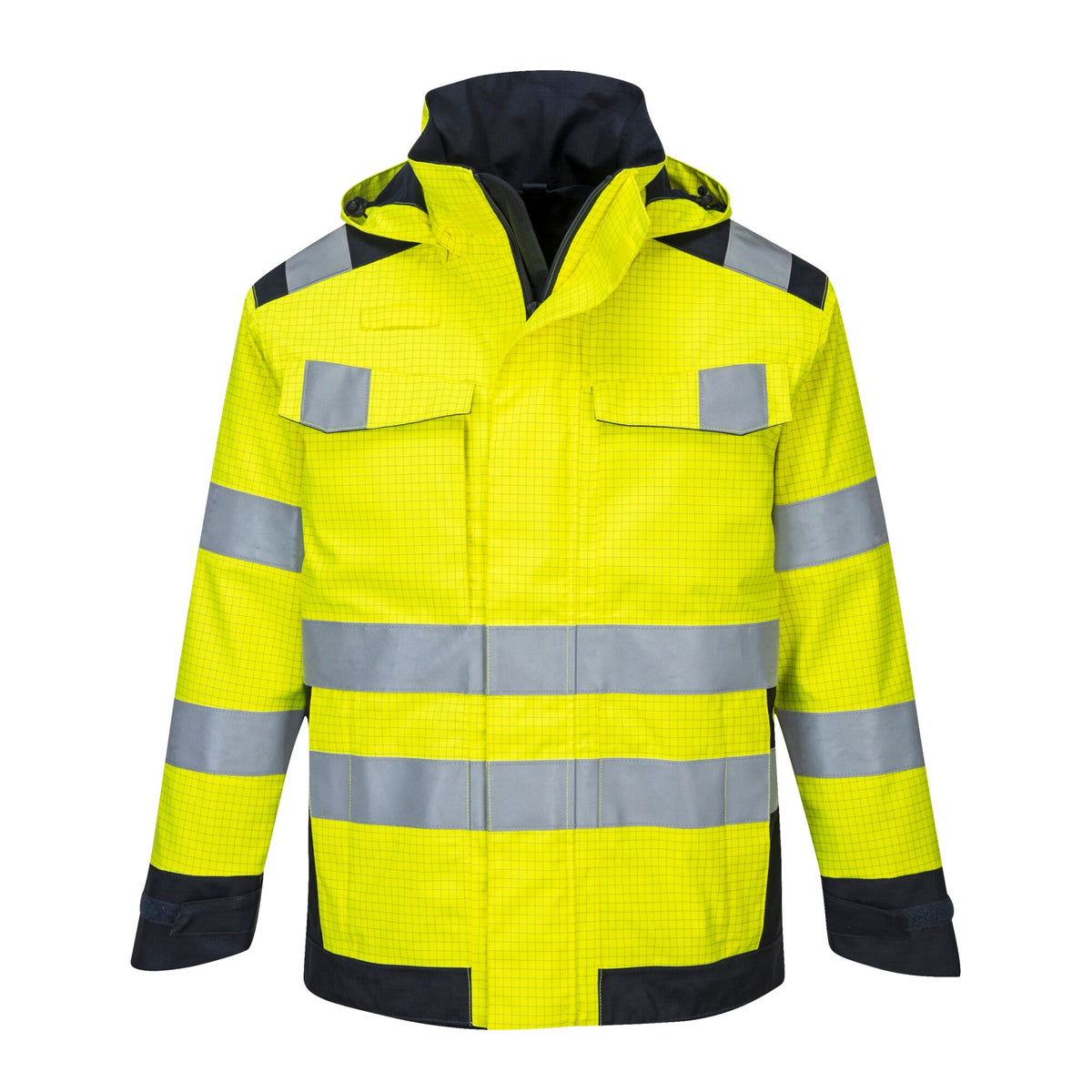
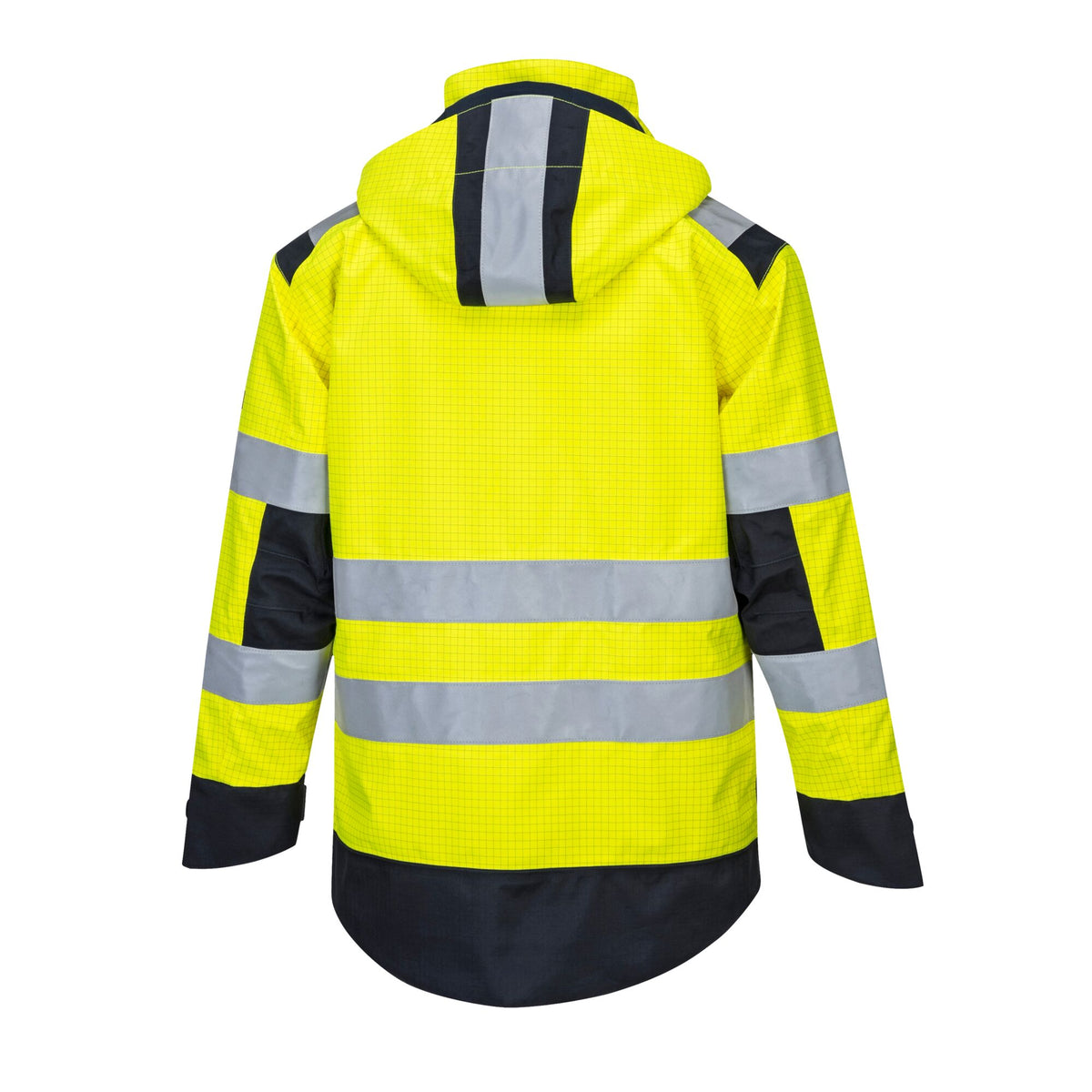
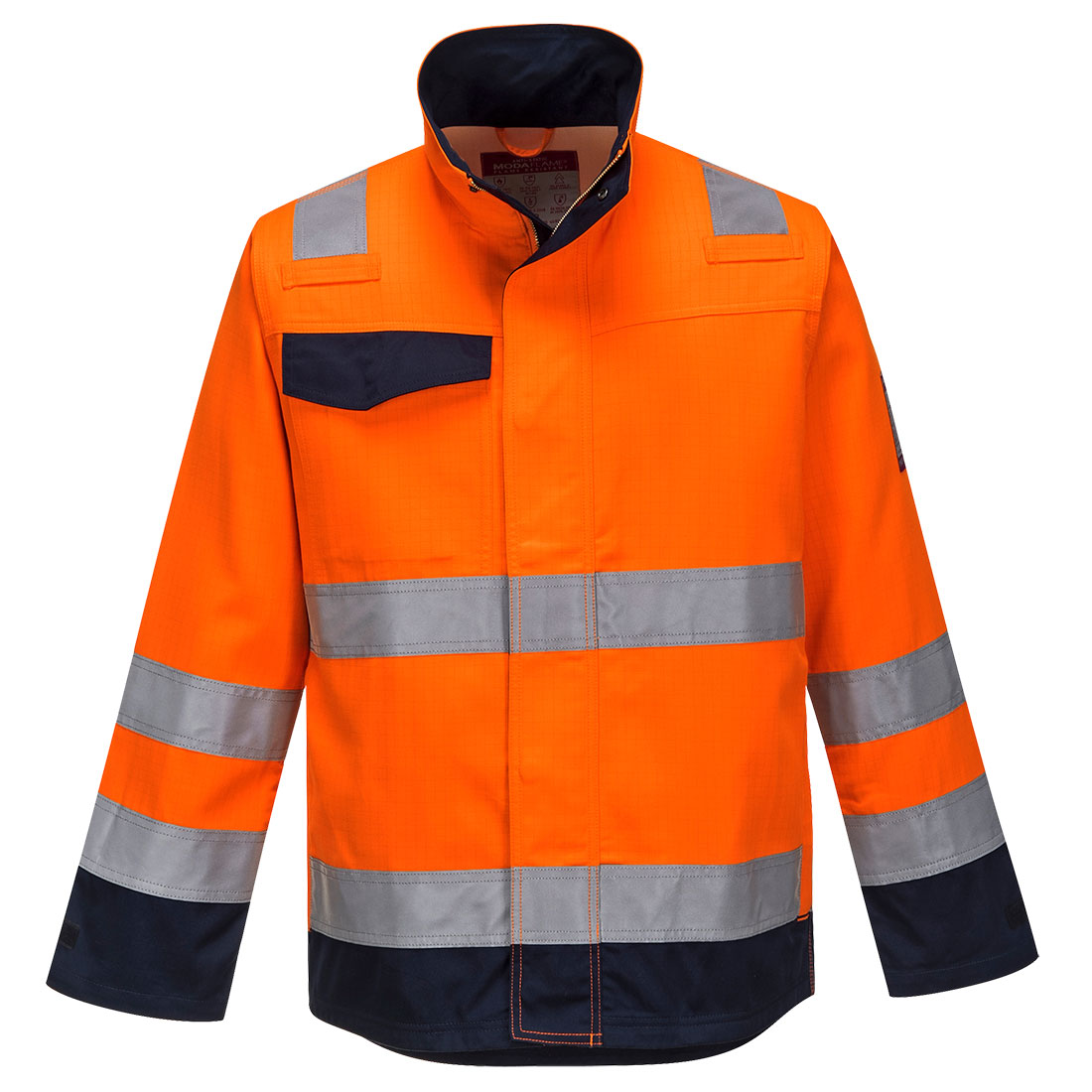
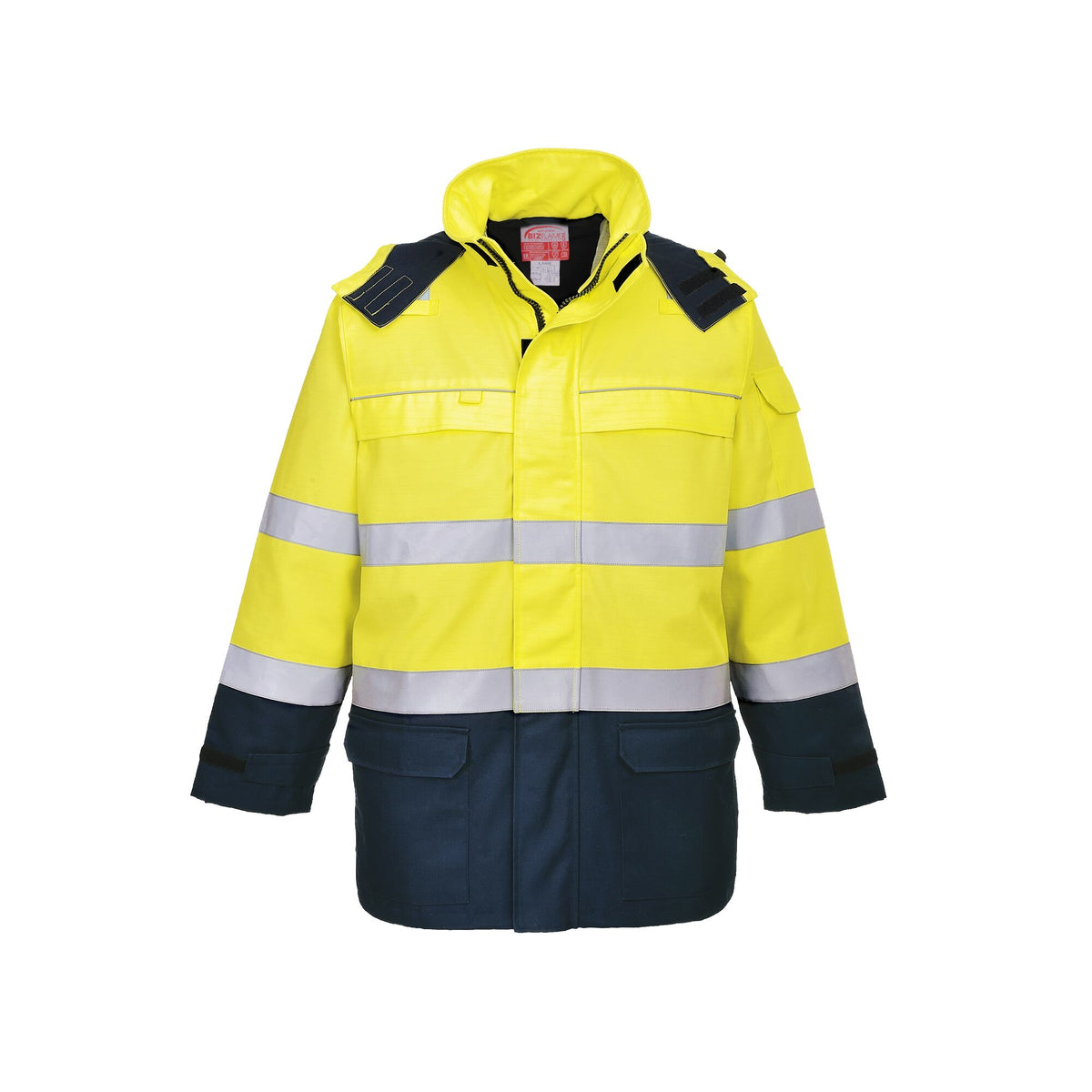
Modaflame Rain Multi-norm Arc Jacket - Portwest MV70 PortwestModaflame Rain Multi-norm Arc Jacket - Portwest MV70 Portwest
Portwest Modaflame Rain multi-norm Arc jacket - Portwest MV70
+2
+1
Sale price€228,52
Choose options
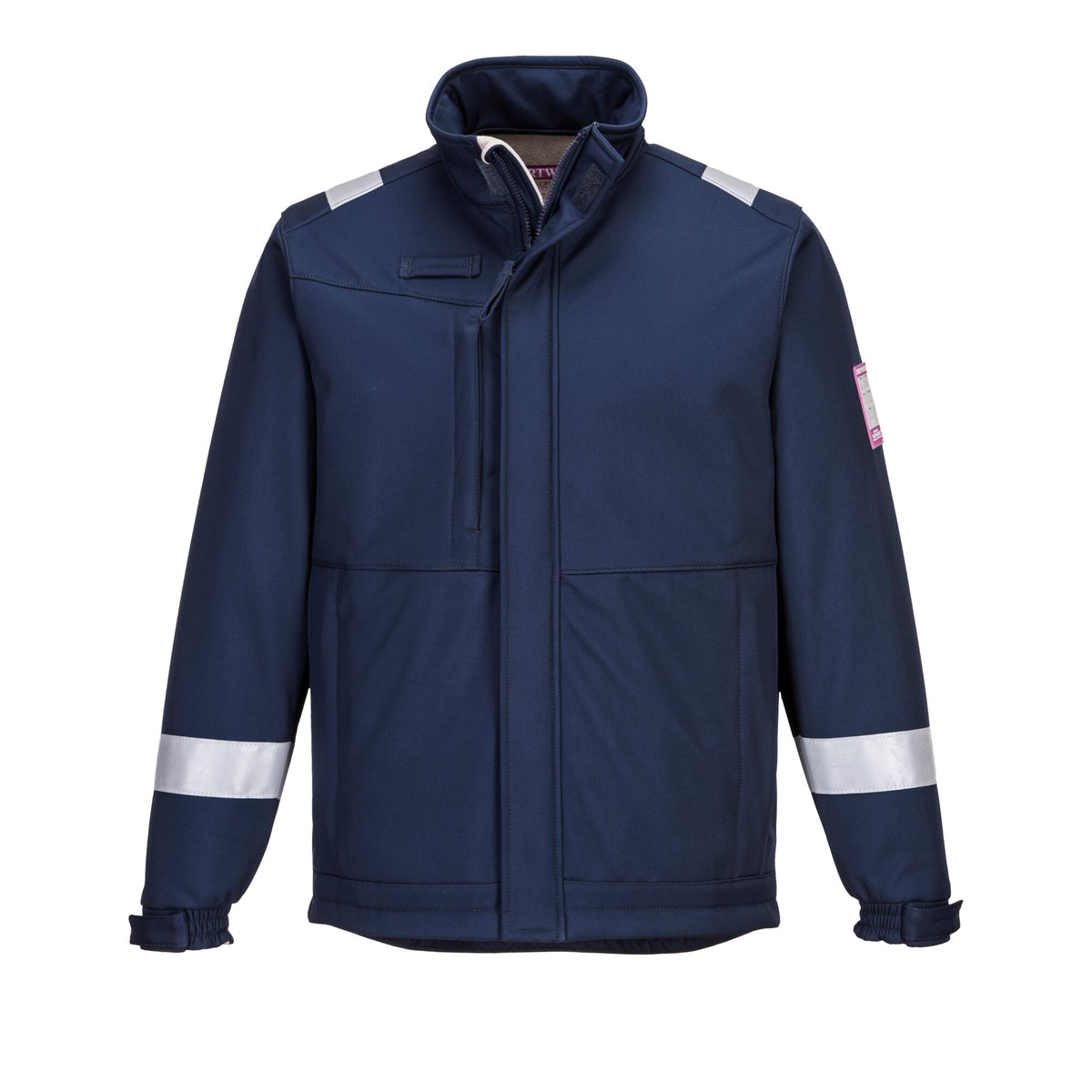
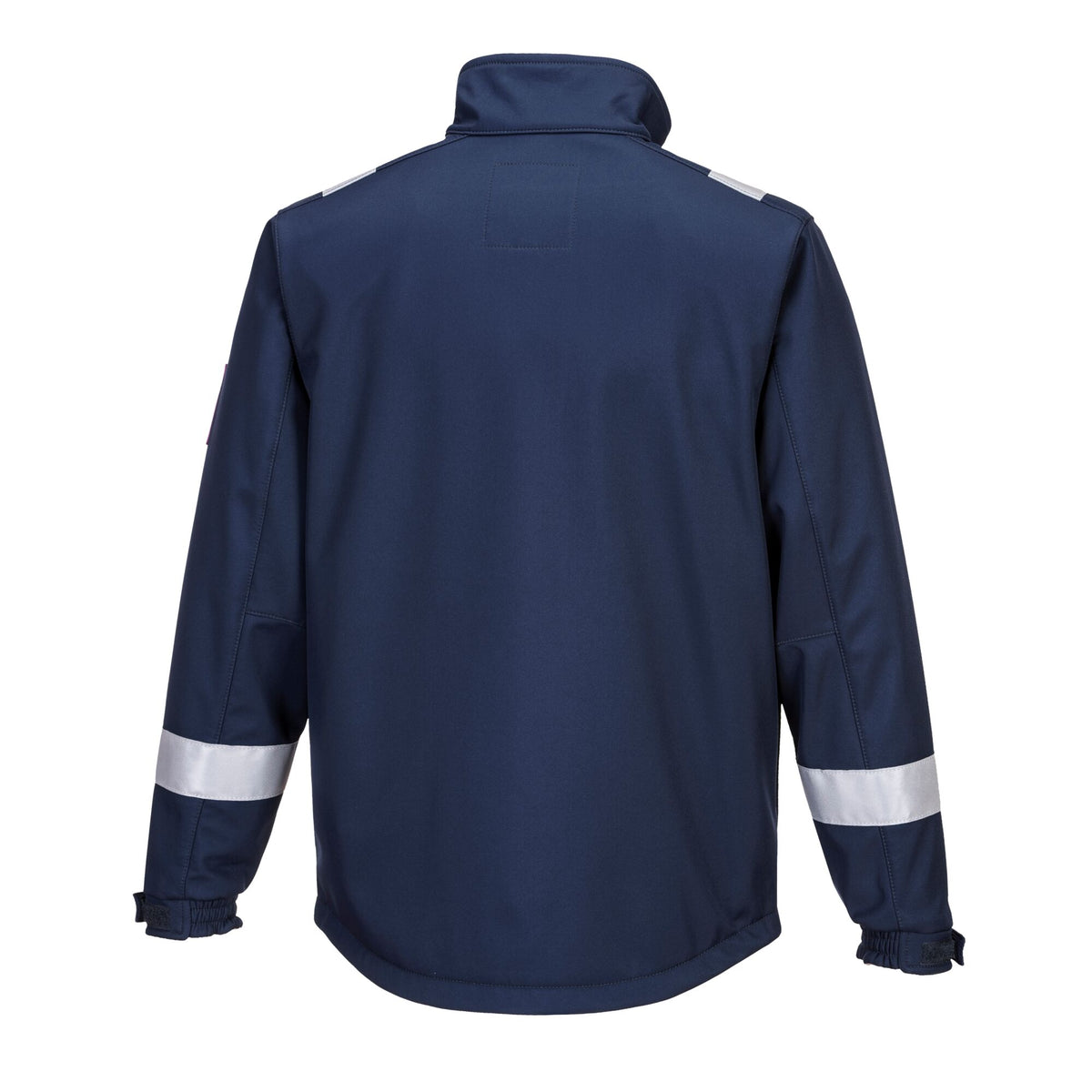
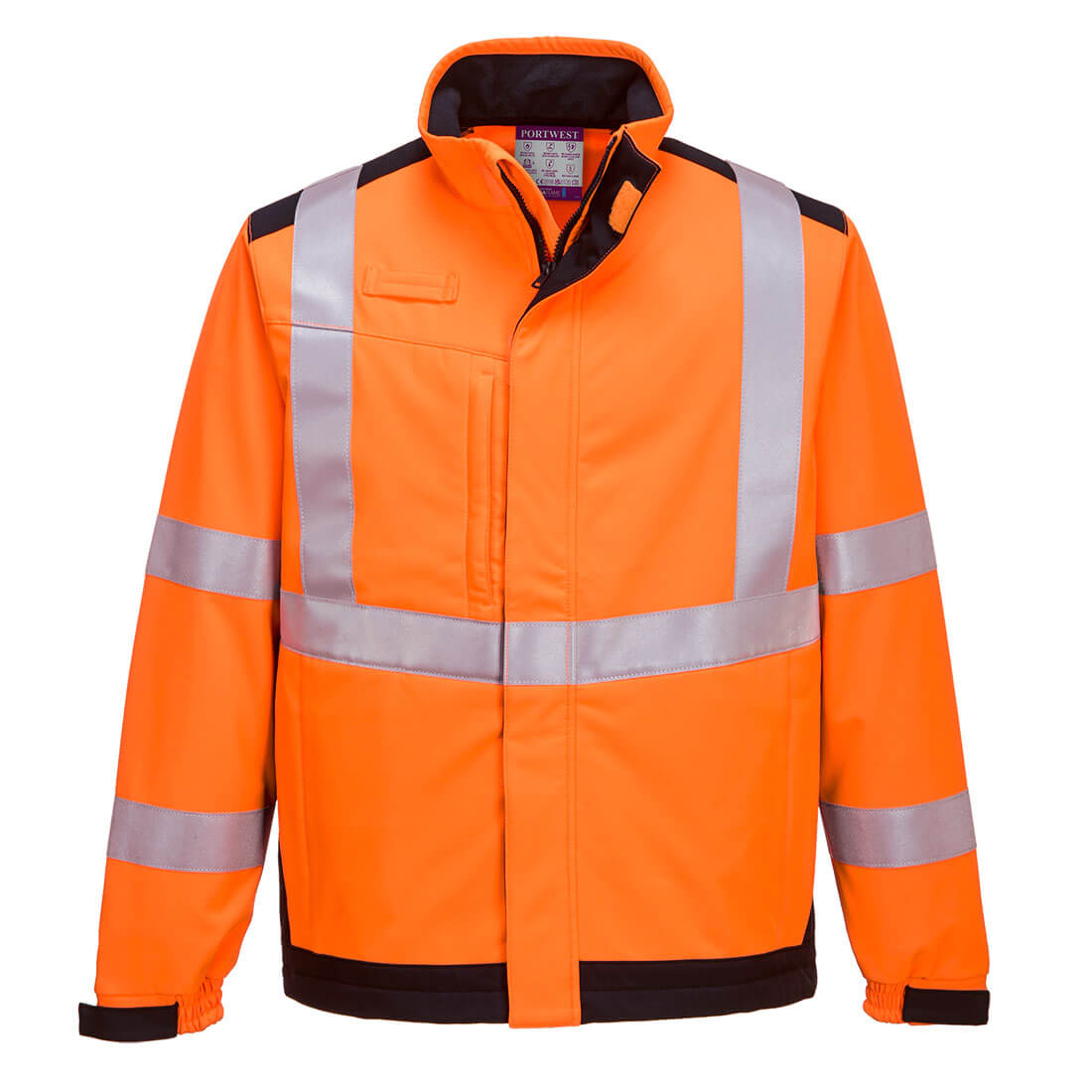
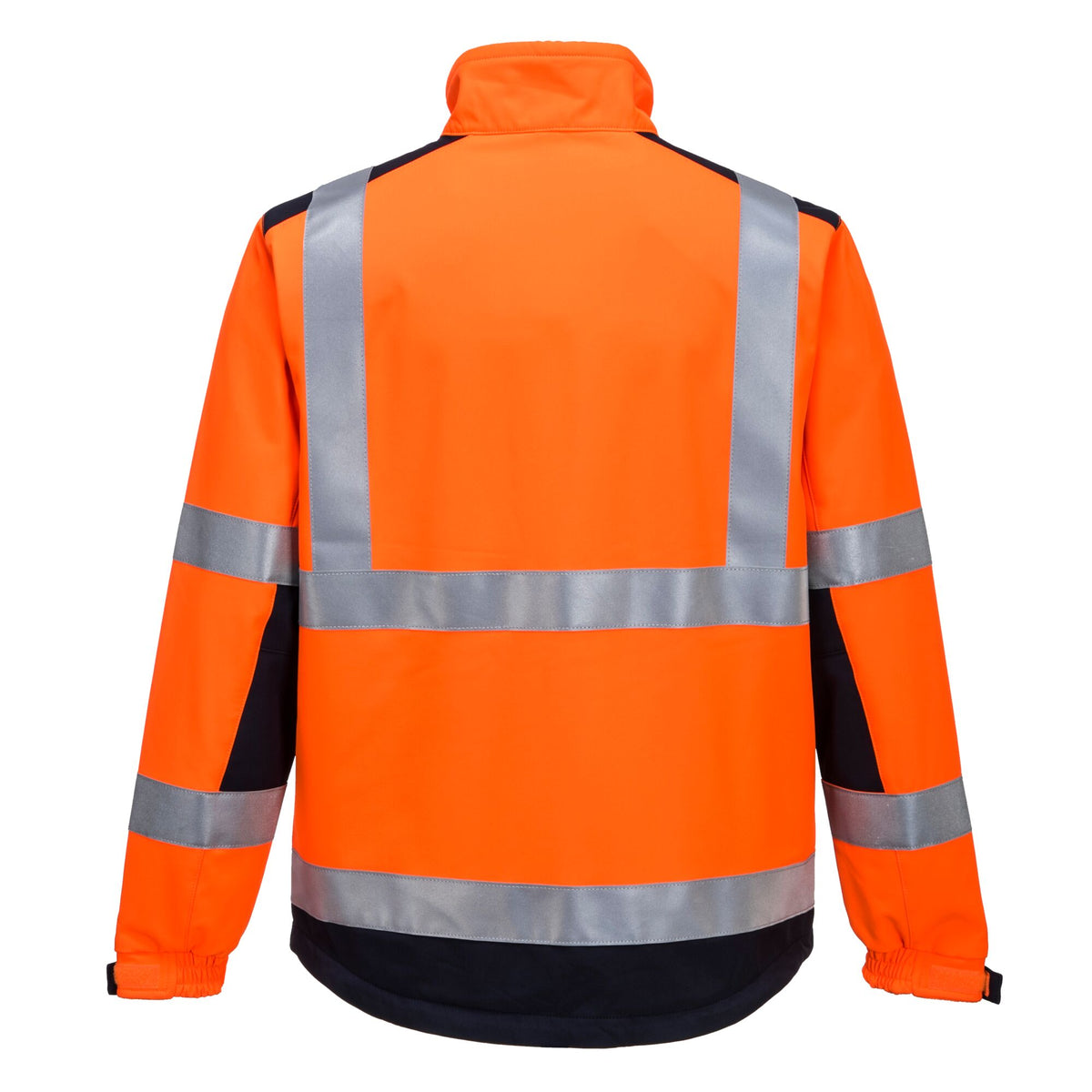
MV72 - Modaflame Multi-Norm Arc Softshell Jacket - Portwest - Orange/NavyModaflame Multi-norm Arc Softshell Jacket - Portwest MV72 Portwest
Portwest Modaflame Multi-Norm Arc Softshell Jacket - Portwest MV72
+2
+1
Sale price€157,99
Choose options
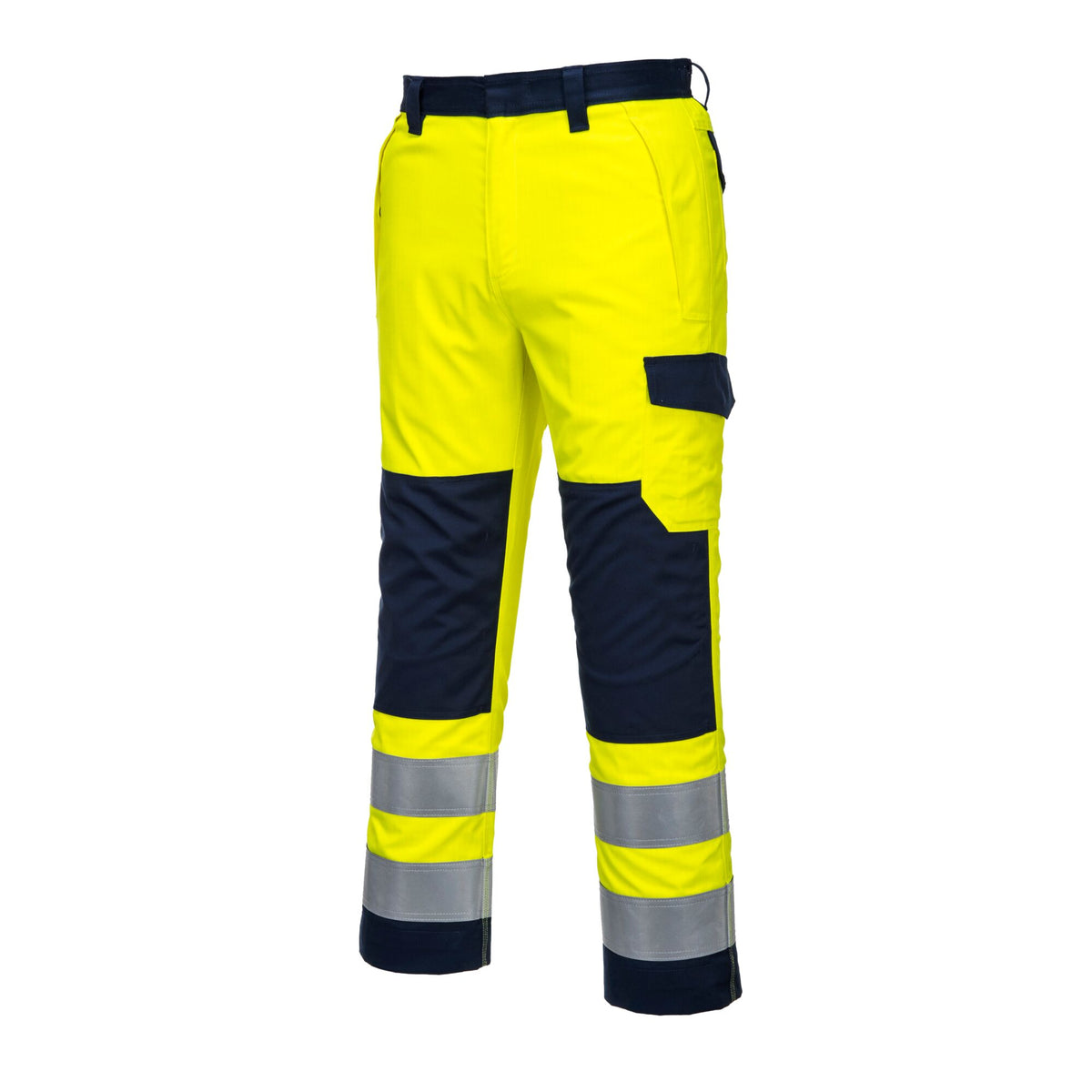
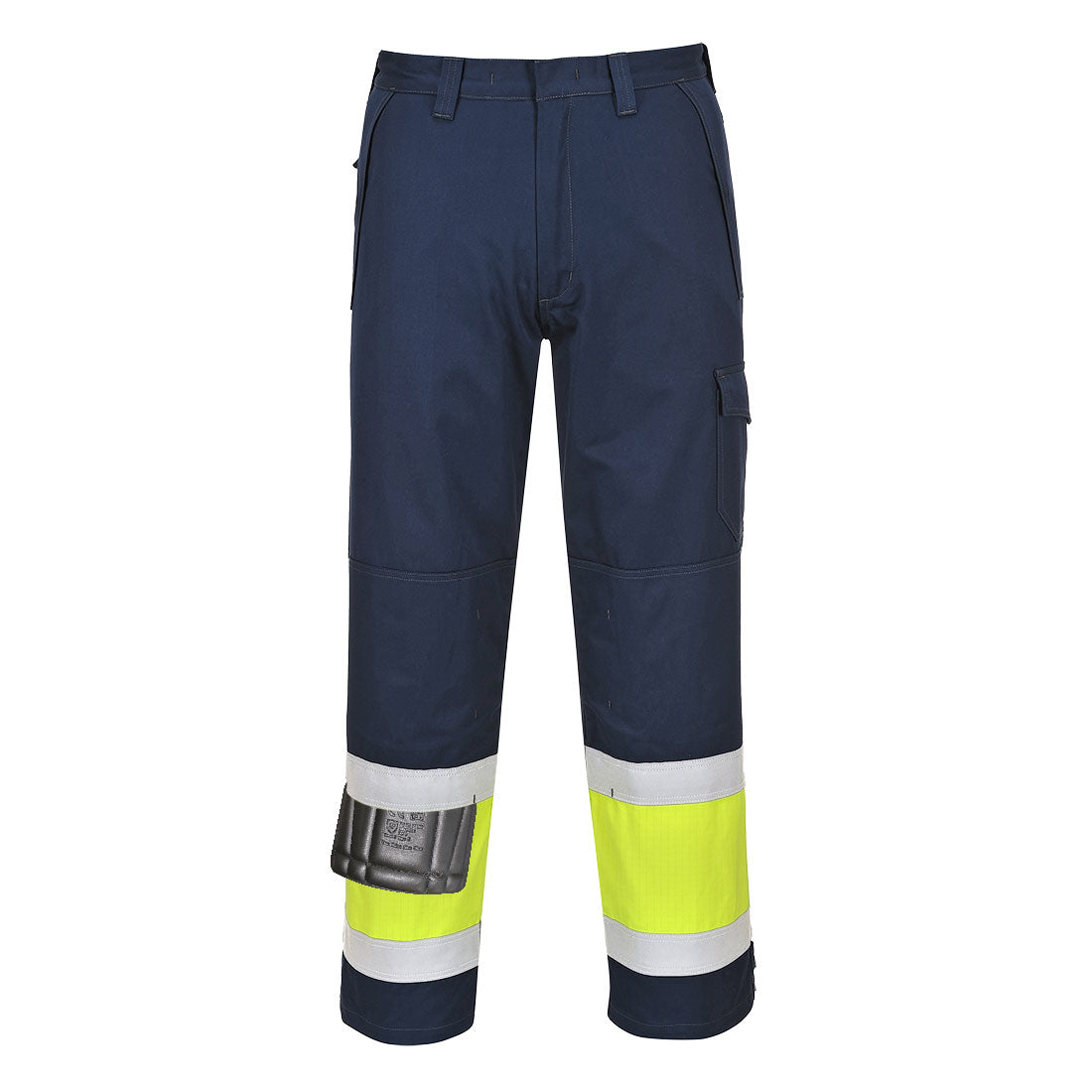
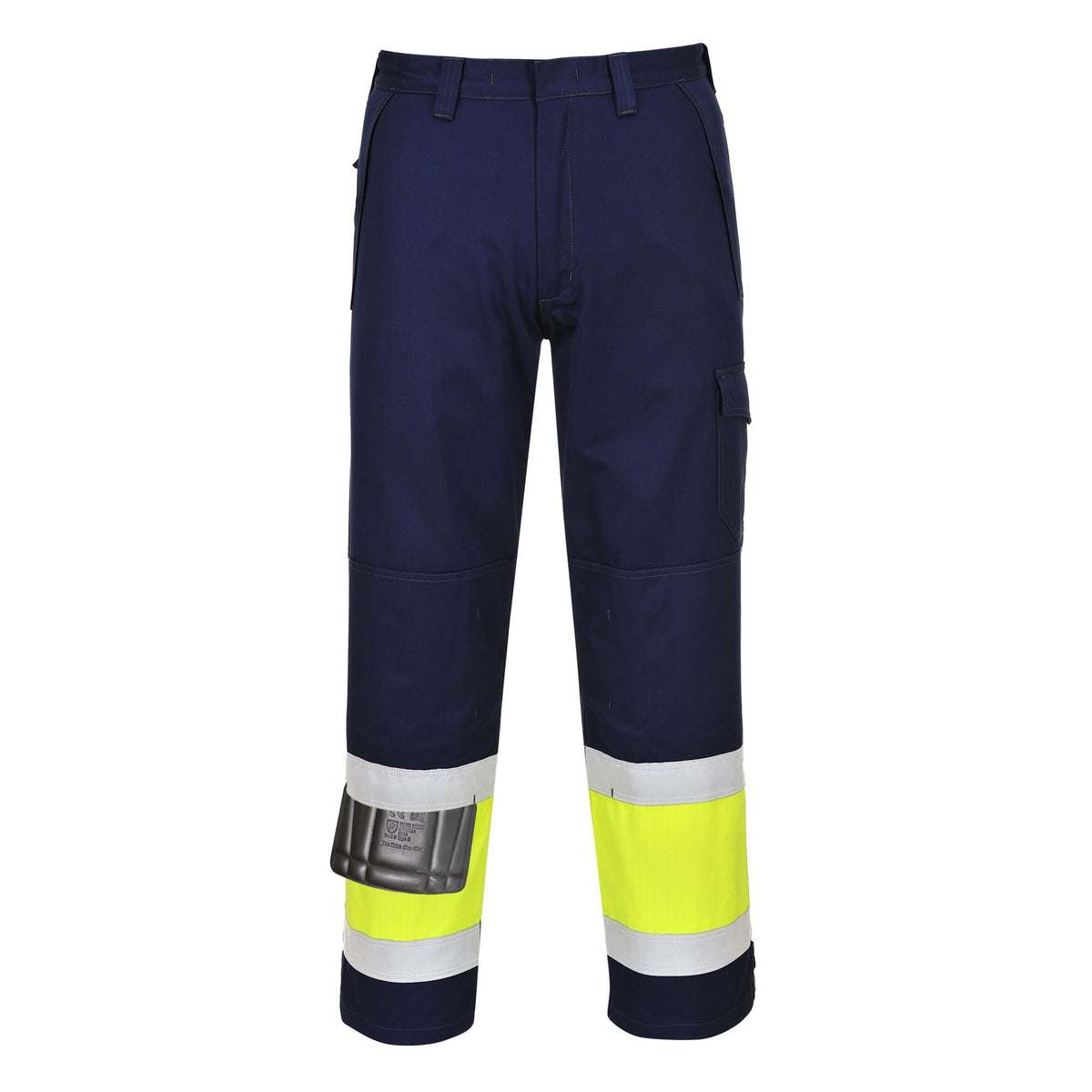
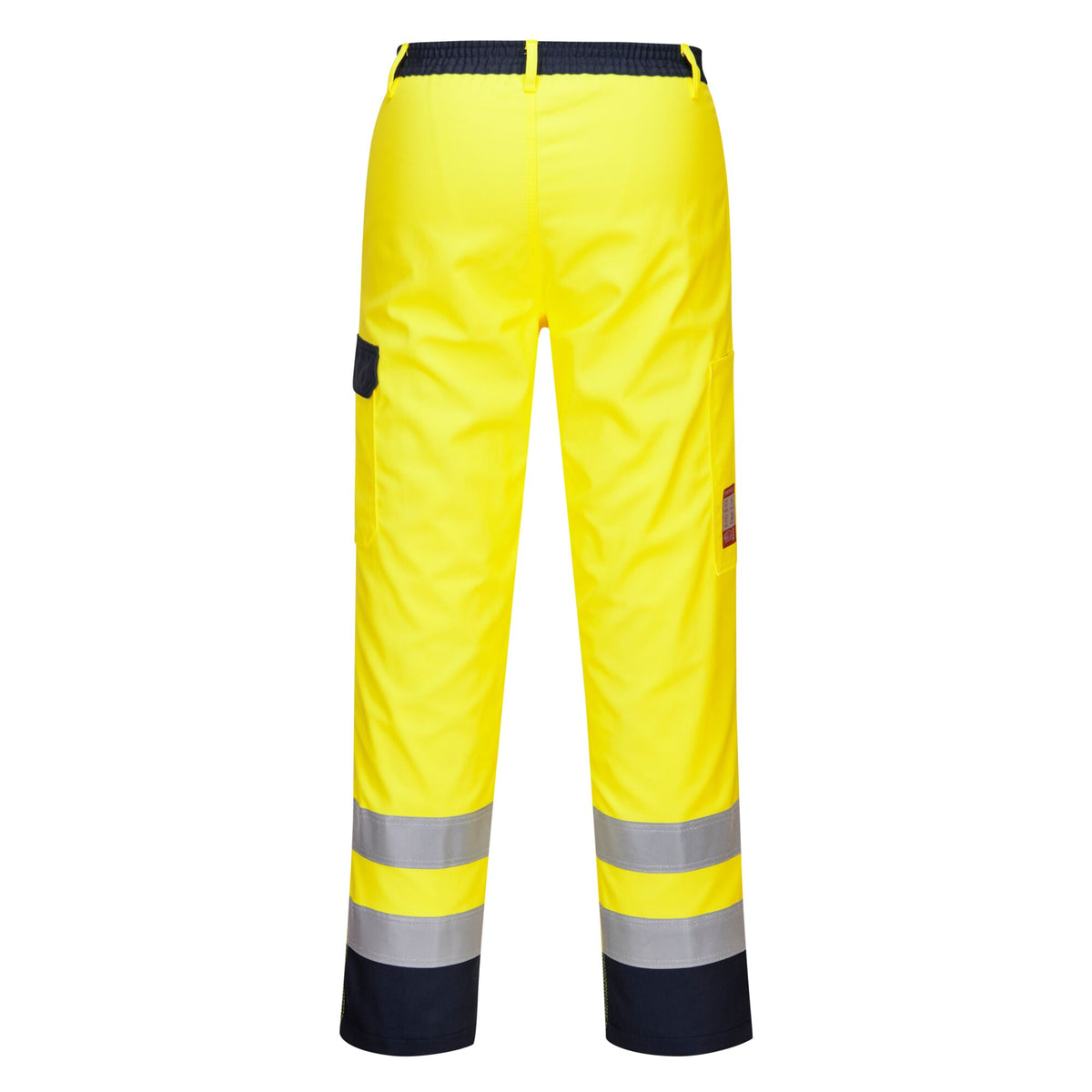
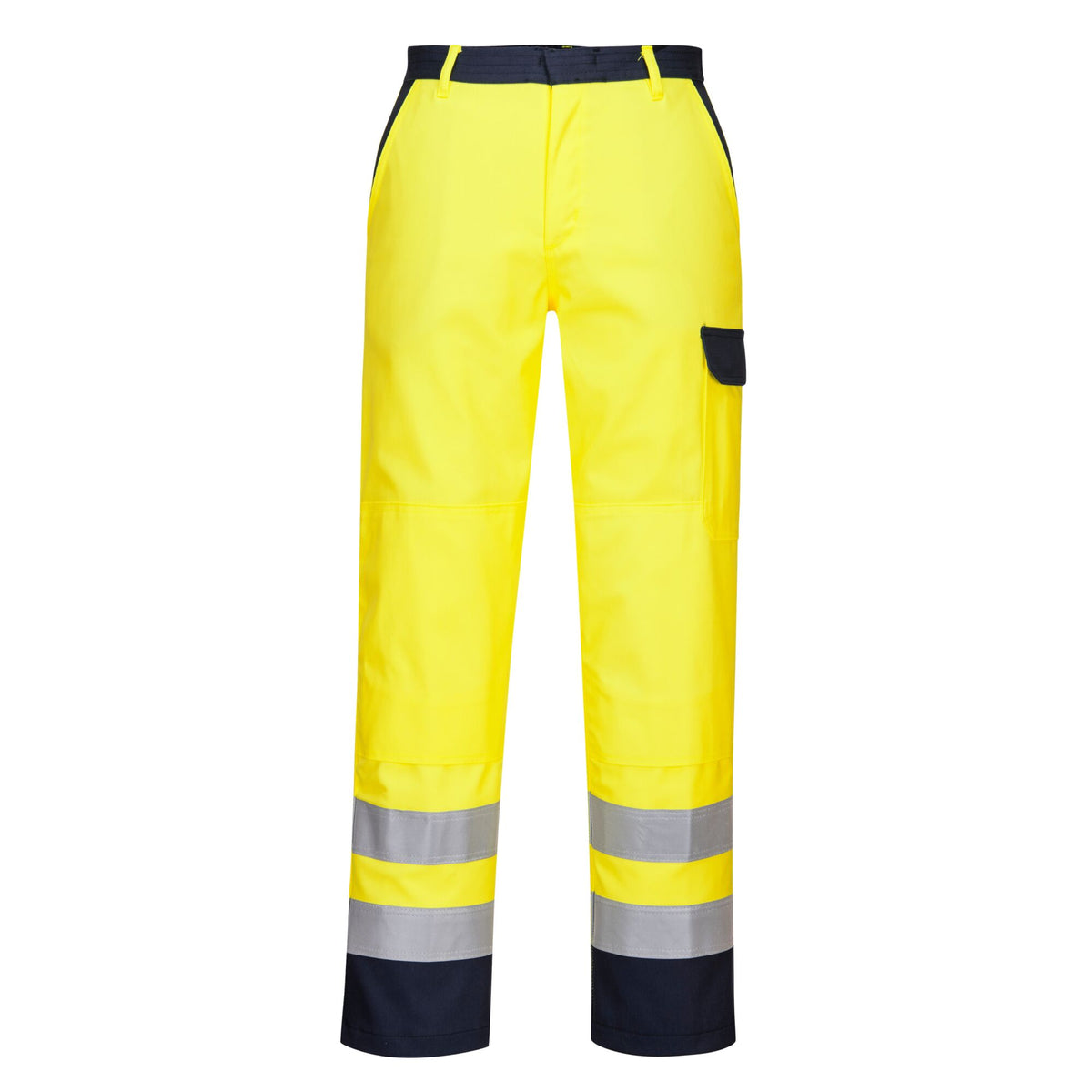
Hi-Vis Modaflame Trousers - Portwest MV46 PortwestHi-Vis Modaflame Trousers - Portwest MV46 Portwest
Portwest Hi-Vis Modaflame Trousers - Portwest MV46
+1
Sale price€108,07
Choose options
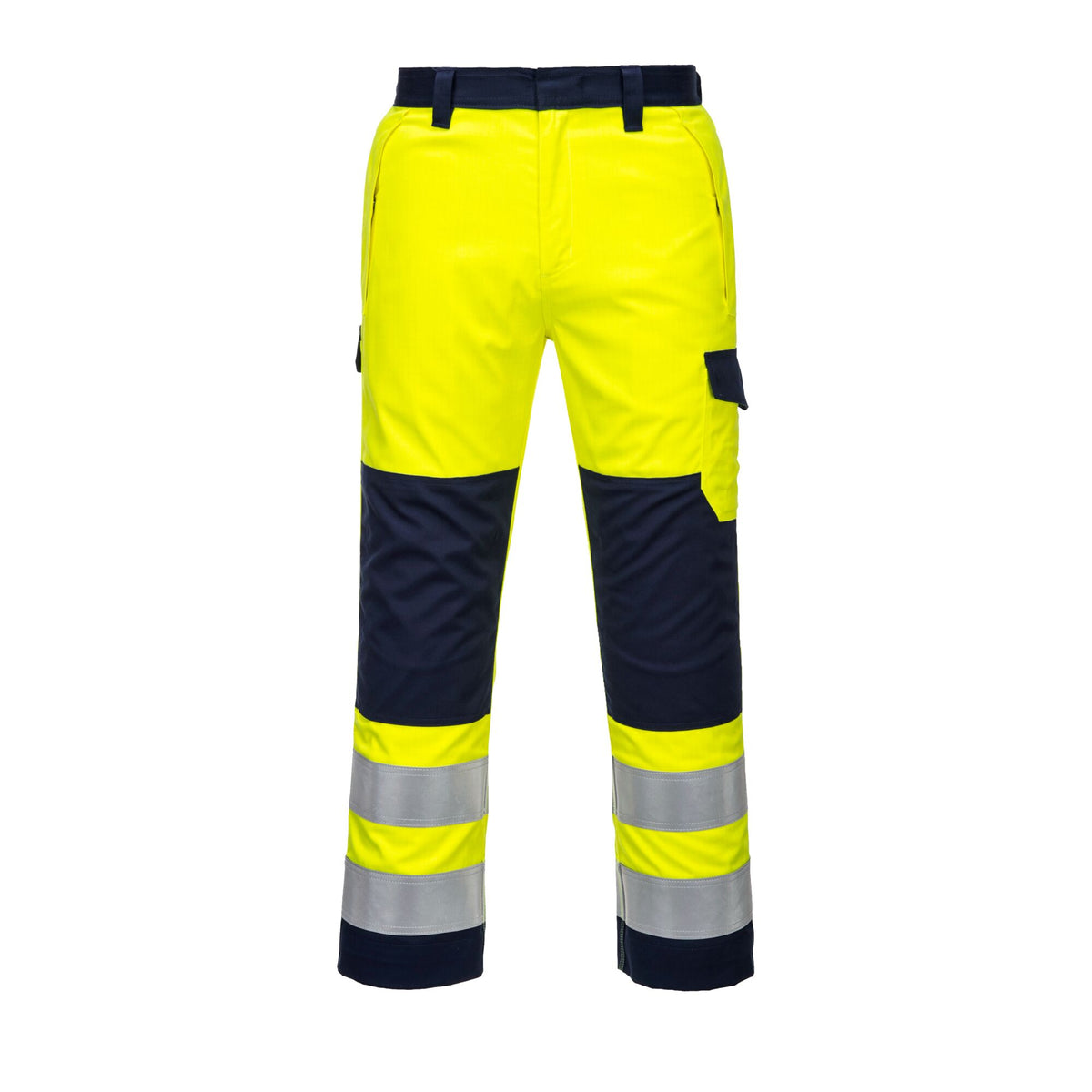
MV26 - Hi-Vis Modaflame Trousers - Portwest - Yellow/NavyMV26 - Hi-Vis Modaflame Trousers - Portwest
Portwest Hi-Vis Modaflame Trousers - Portwest MV26
+2
+1
Sale price€95,62
Choose options
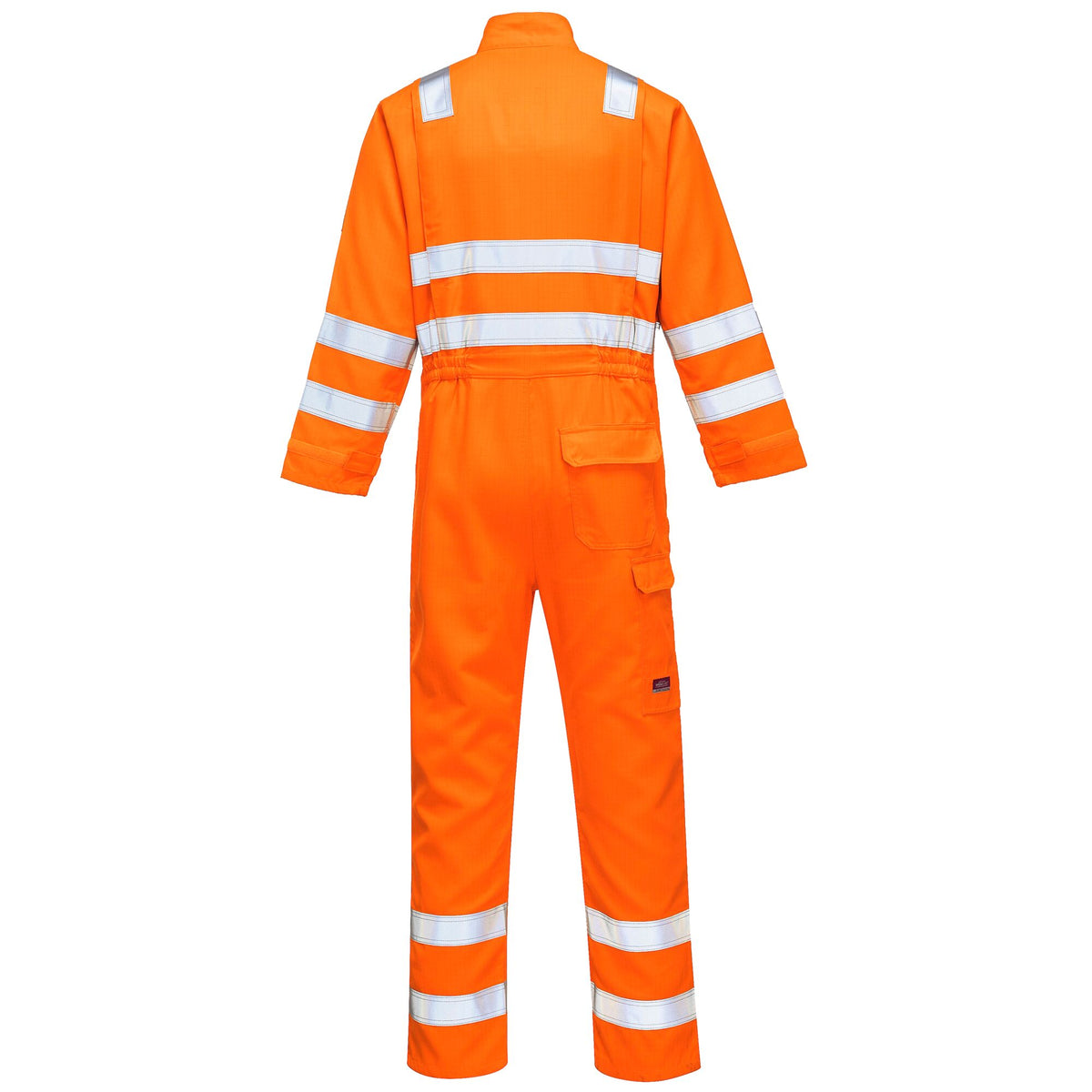
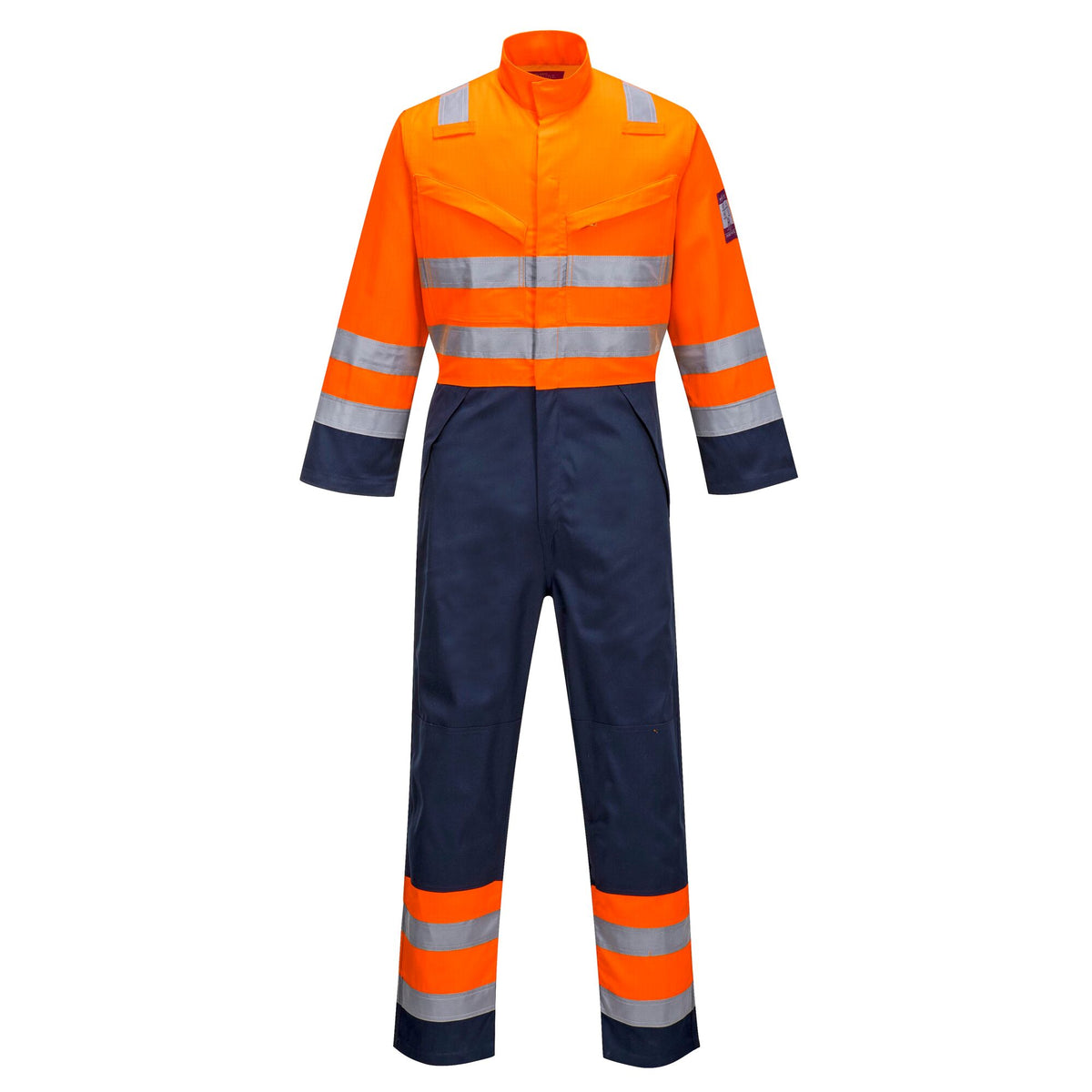
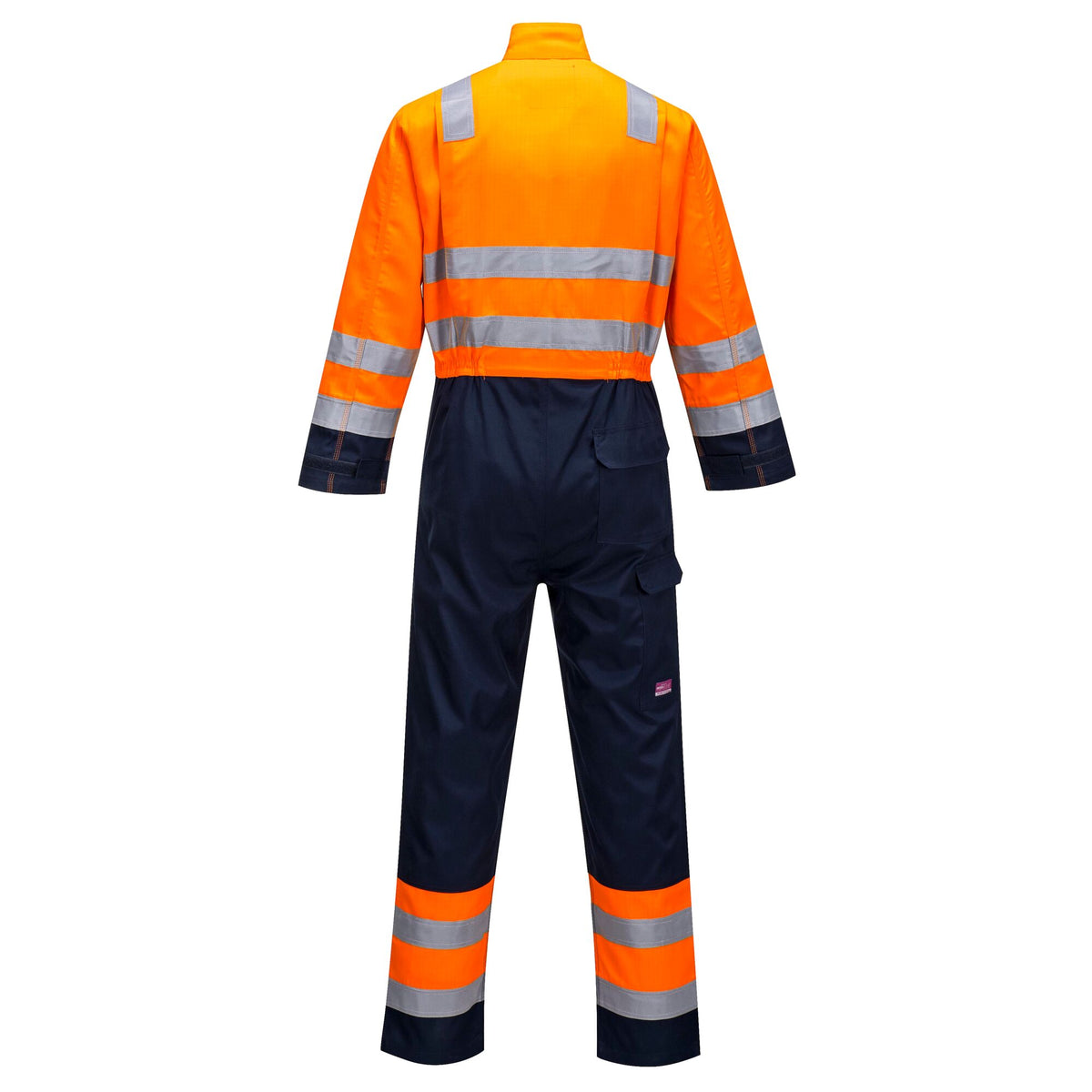
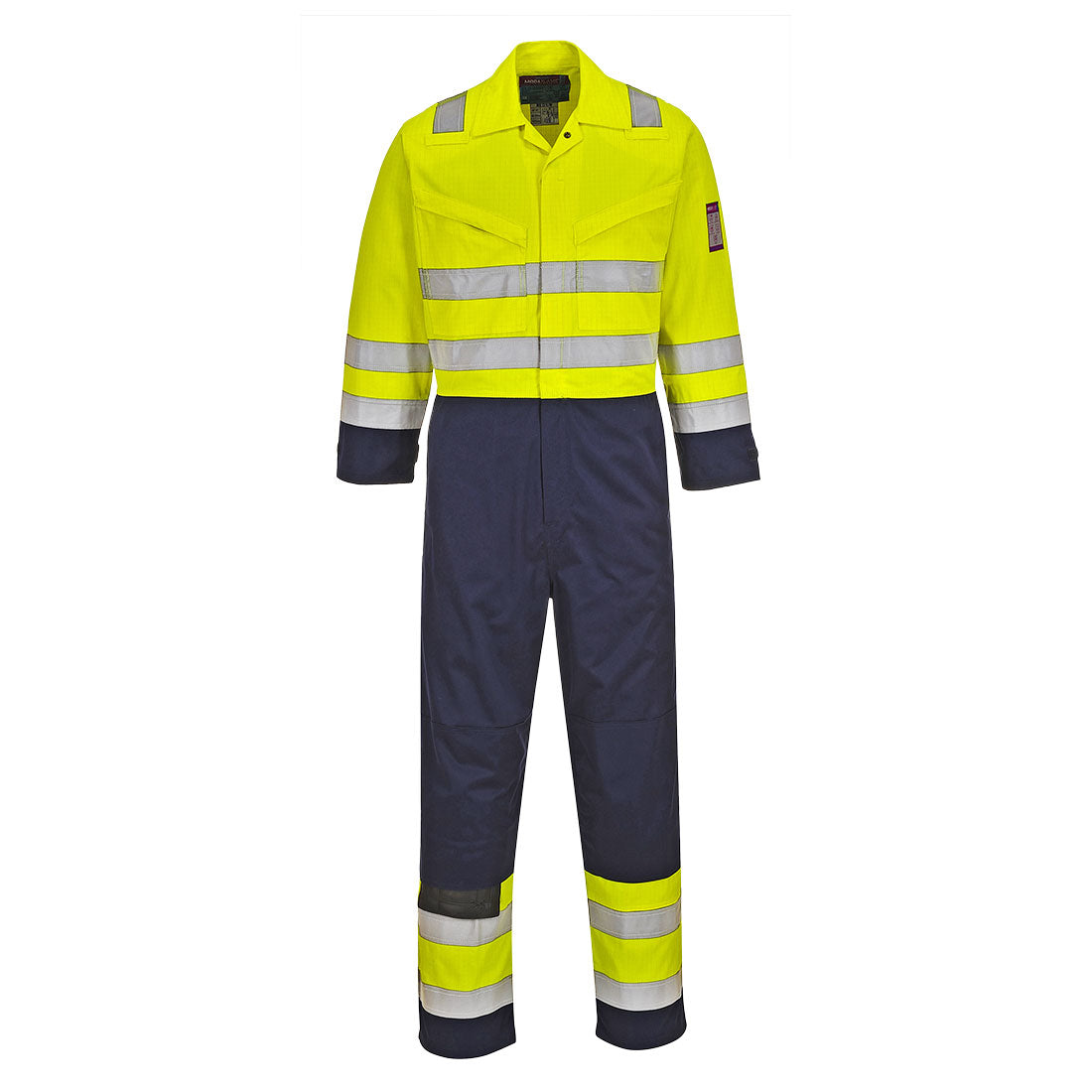
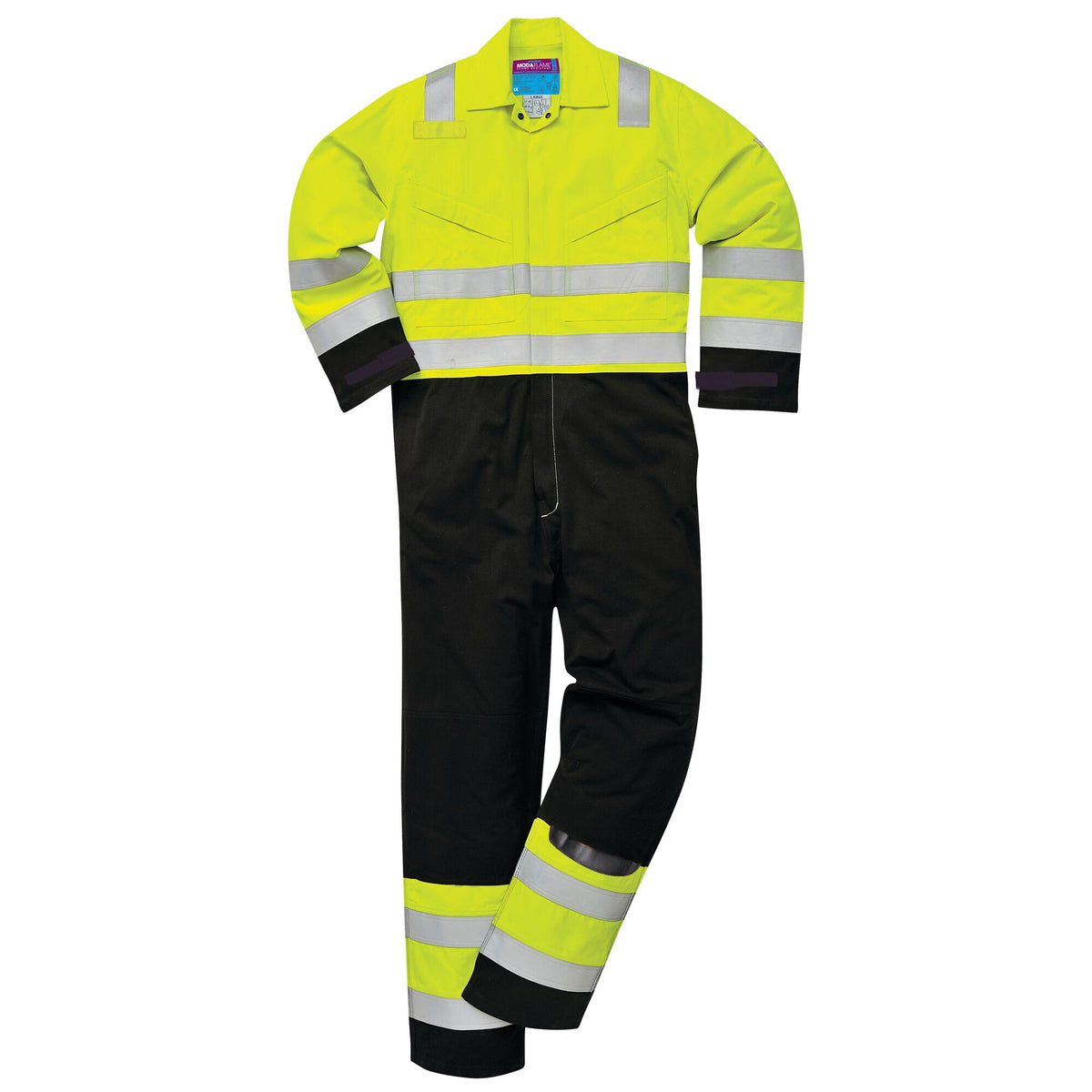
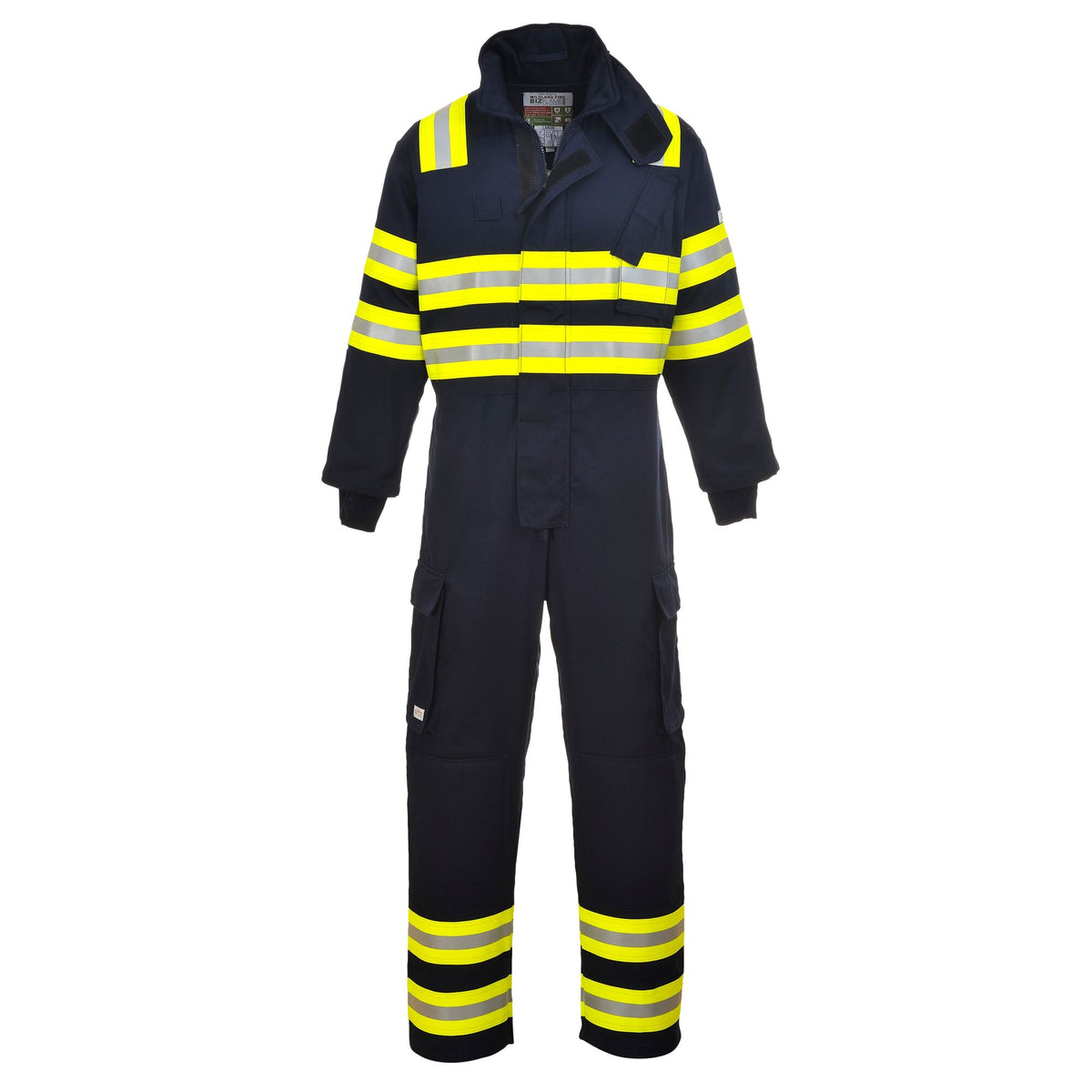
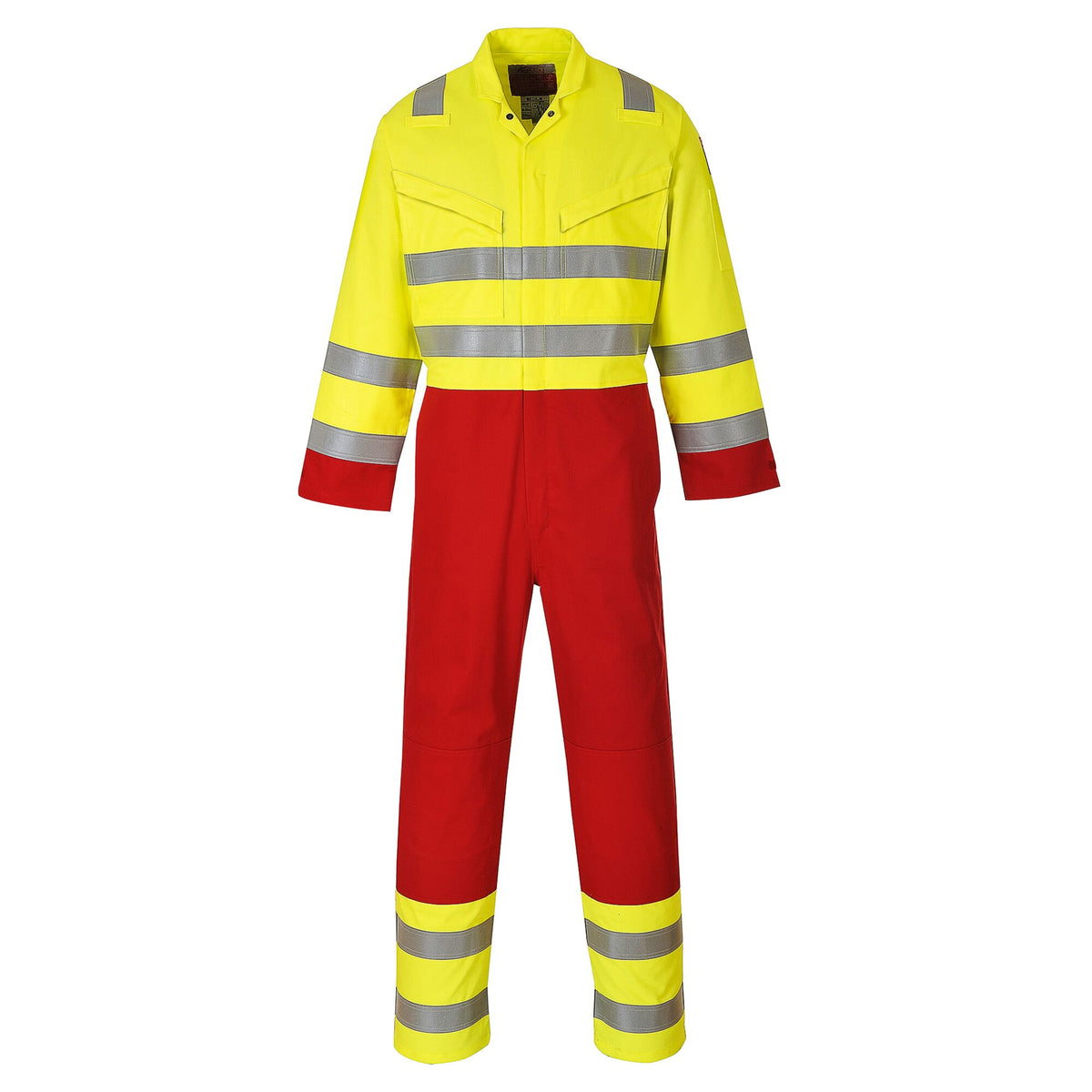
MV28 - Hi-Vis Modaflame Coverall - Portwest - Yellow/Navy TallHi-Vis Modaflame Coverall - Portwest MV28 Portwest
Portwest Hi-Vis Modaflame Coverall - Portwest MV28
+2
+1
Sale price€169,13
Choose options
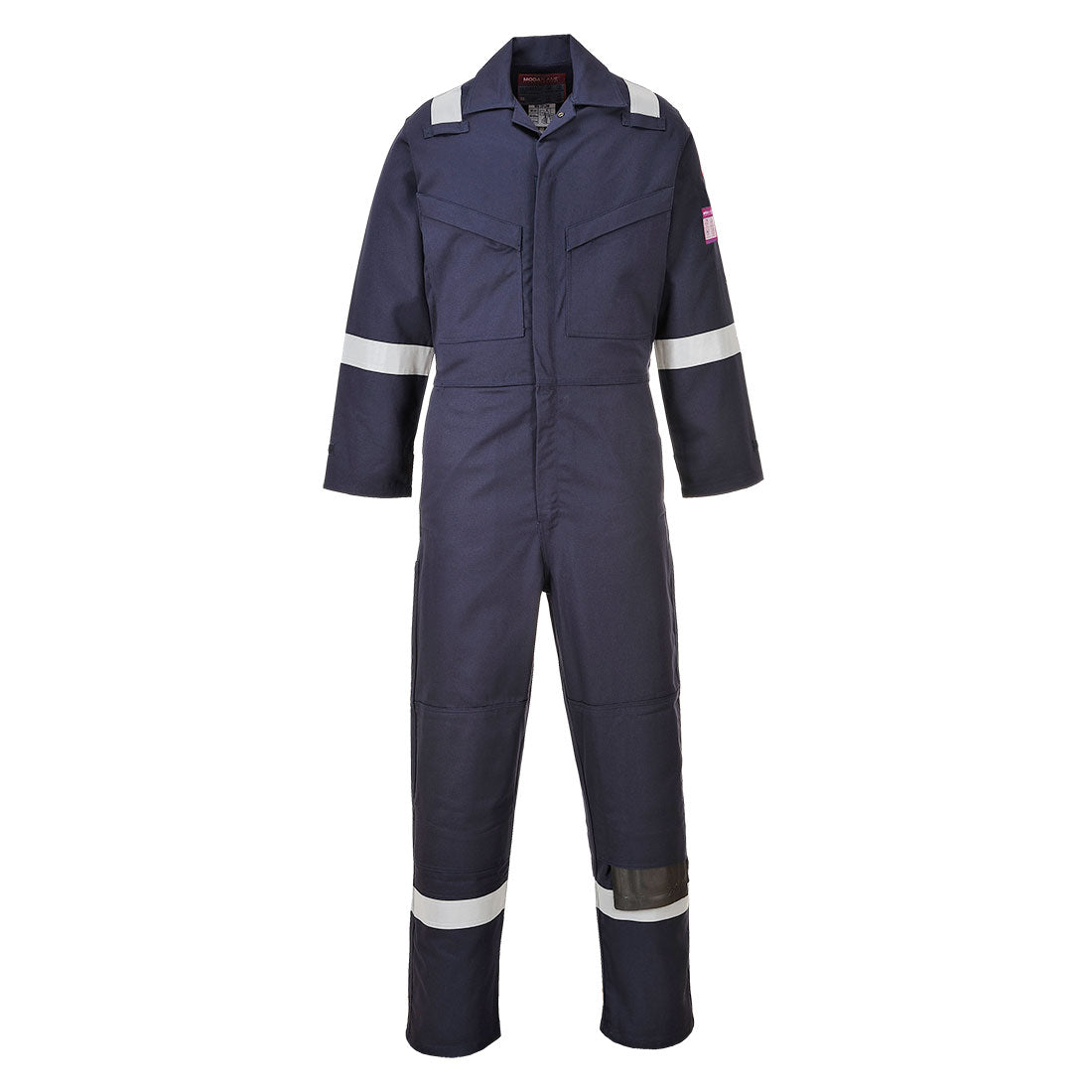
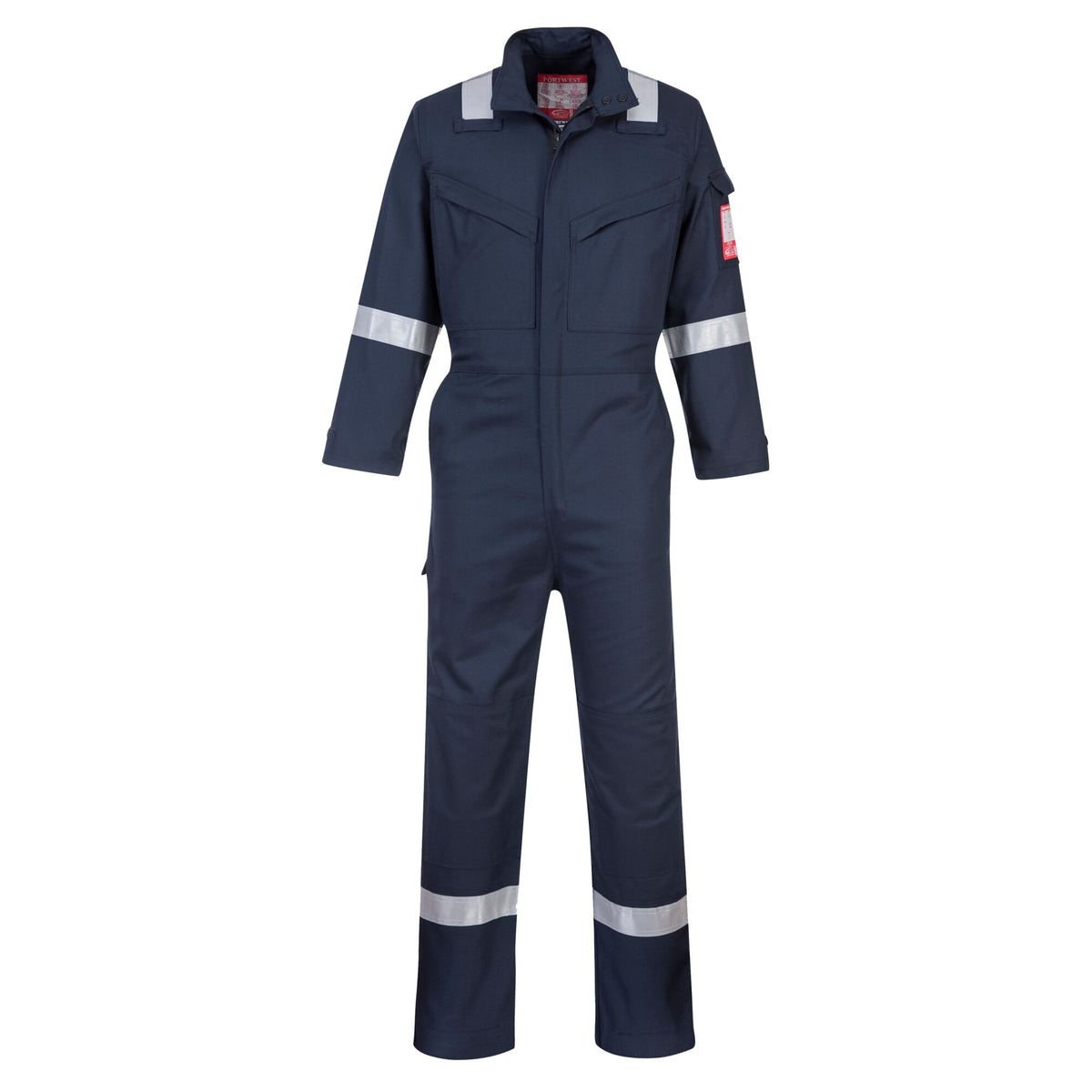
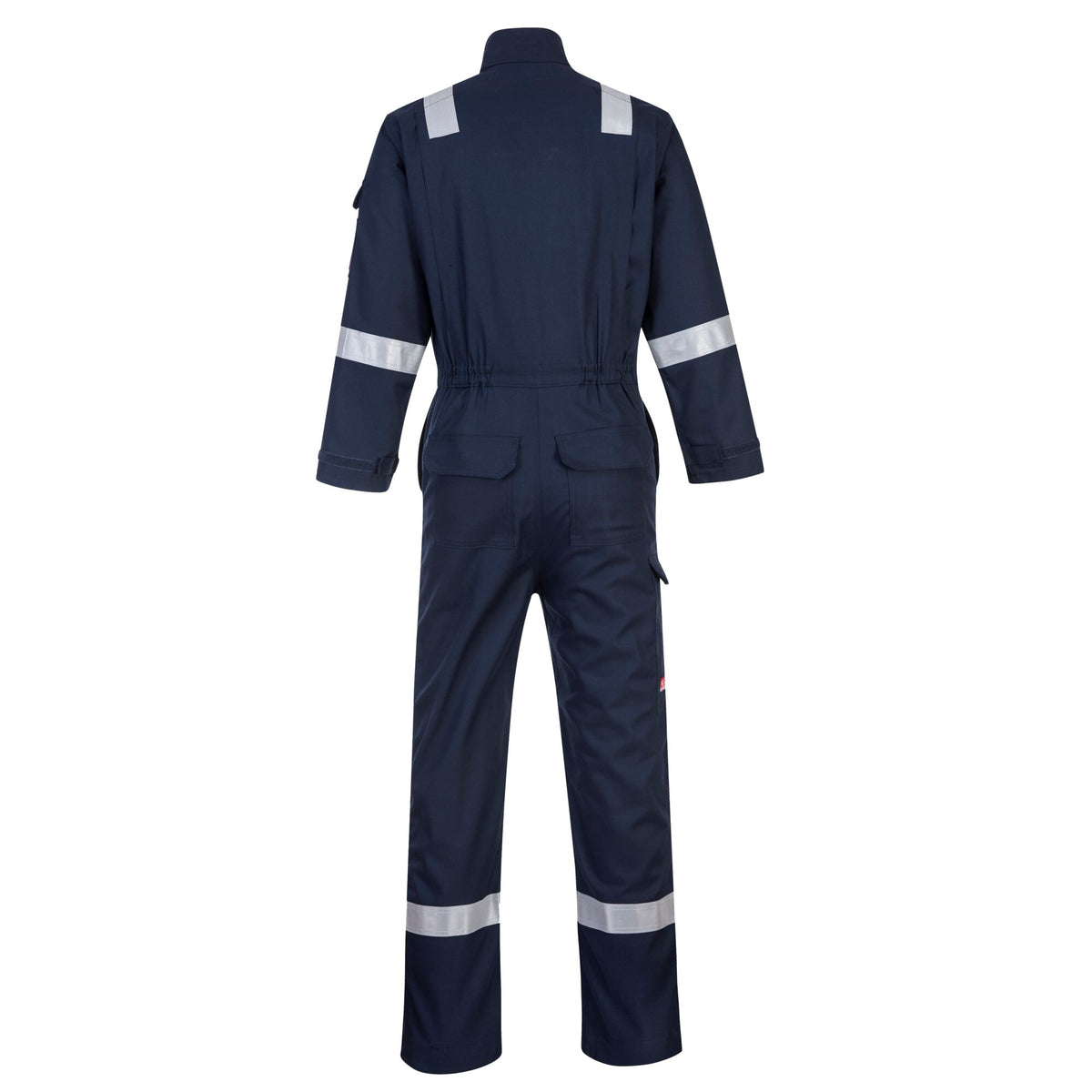
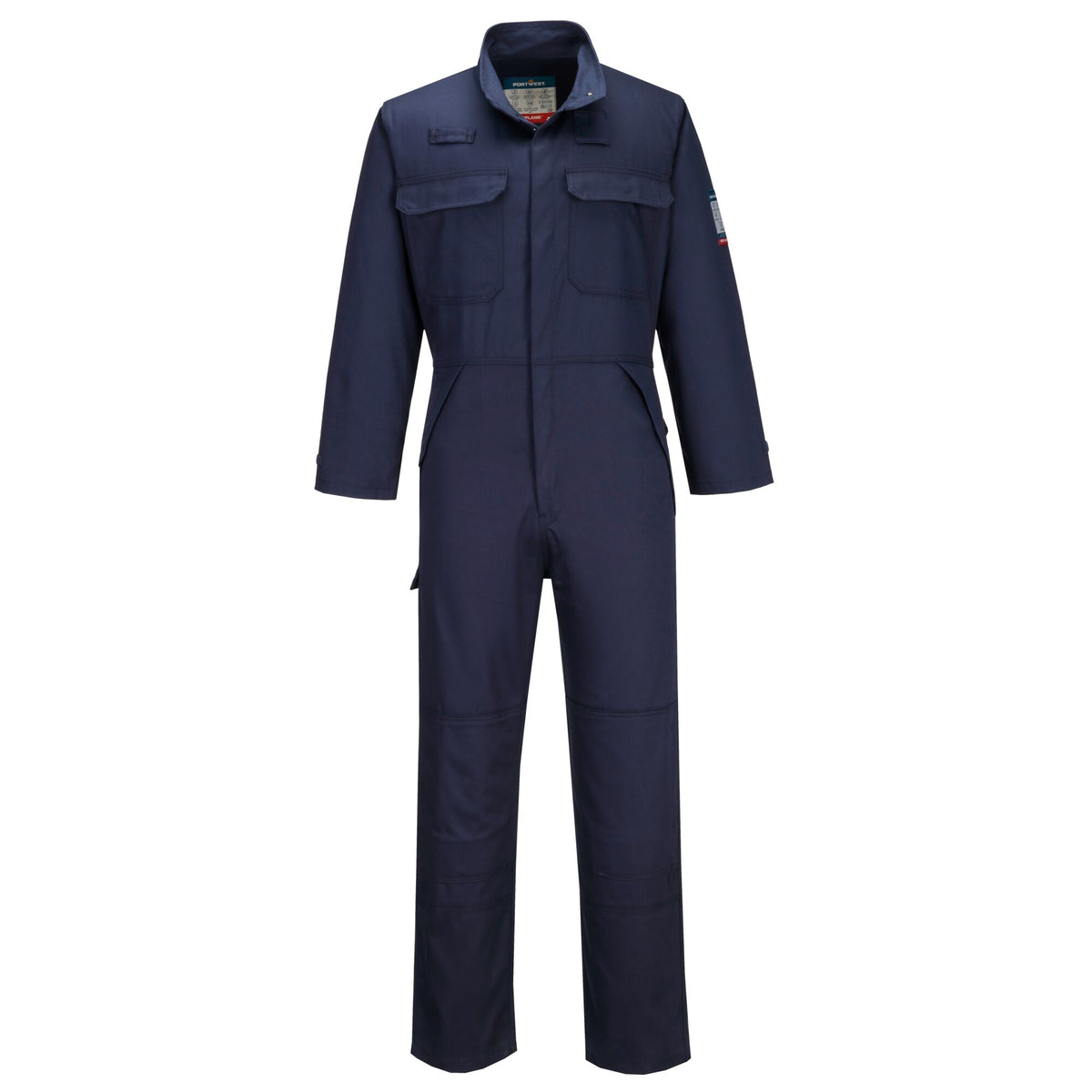
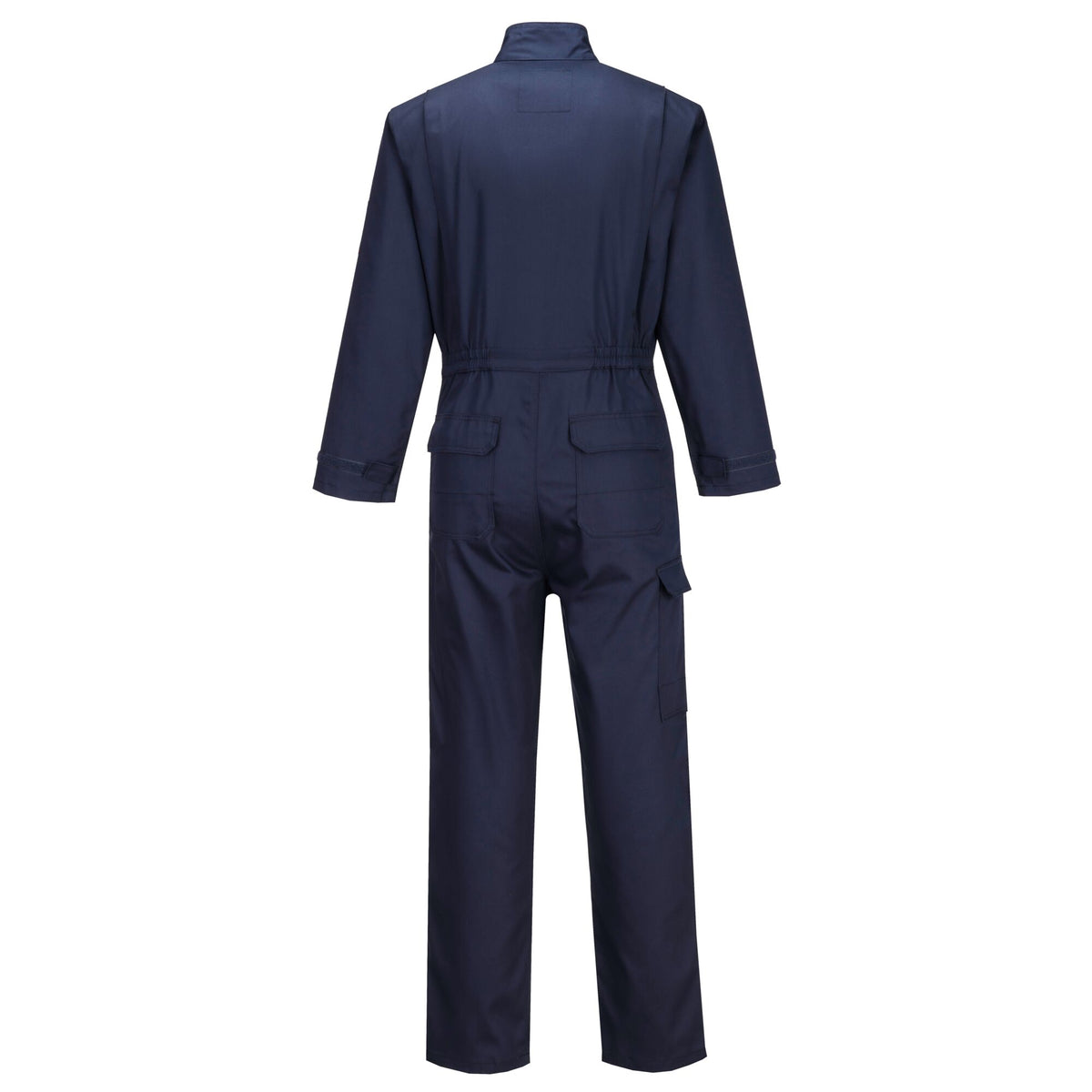
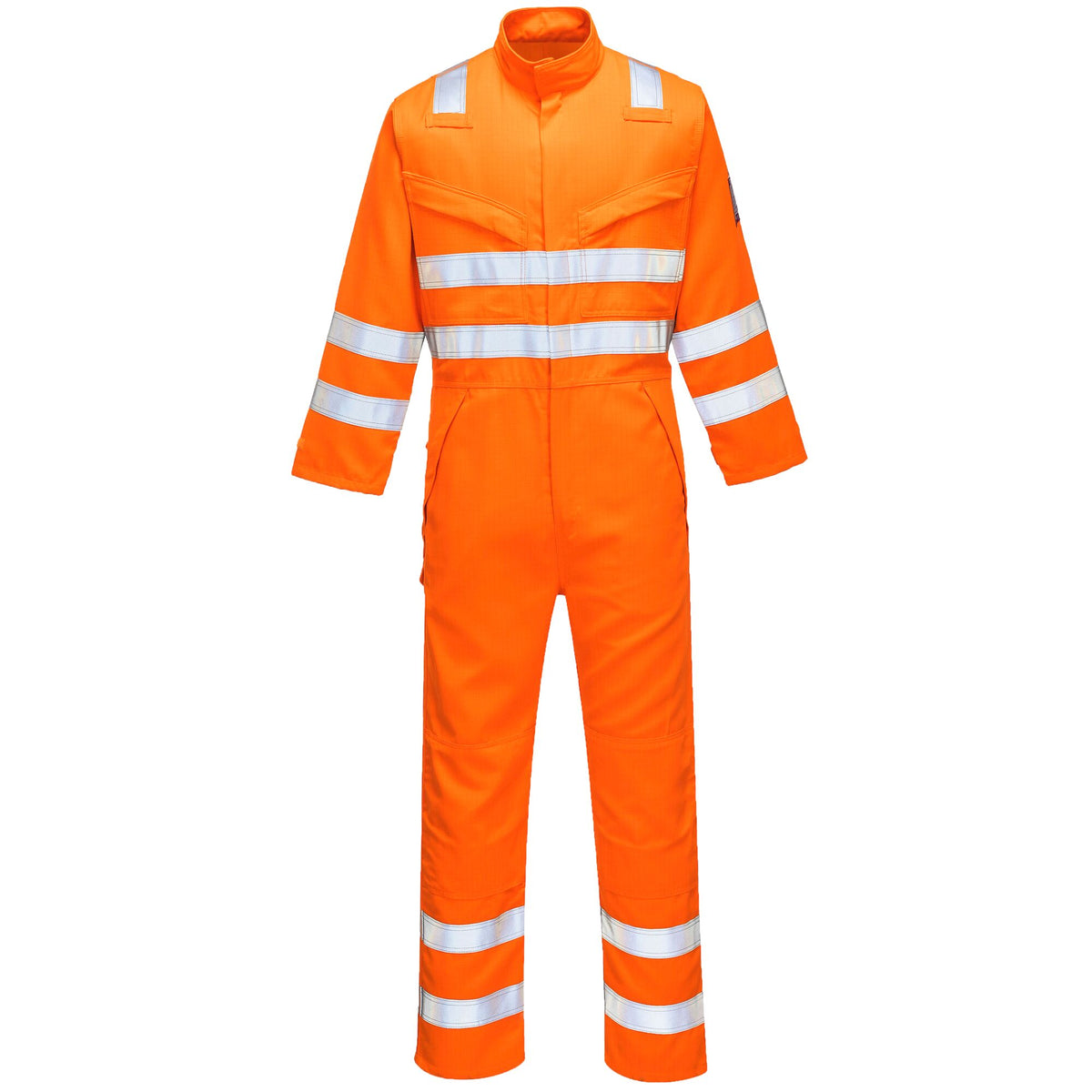
Bizflame Ultra Coverall - Portwest FR93 PortwestBizflame Ultra Coverall - Portwest FR93 Portwest
Portwest Bizflame Ultra Overall - Portwest FR93
+2
+1
Sale price€97,35
Choose options

What is flame-resistant clothing?

Flame-resistant clothing is workwear that doesn't keep burning or melting on contact with flames, sparks or heat. The fabric chars and self-extinguishes as soon as the flame is gone. That difference is crucial: ordinary polyester or cotton workwear can keep burning or melt onto the skin, making burns far more severe. Flame-resistant clothing gives you the seconds you need to get away.

You'll find this clothing mainly worn by welders, petrochemical technicians, electricians, workers in the steel and glass industry, shipbuilders and anyone working in an environment with flammable gases, dust or liquids.

Which standards matter?

The label of flame-resistant clothing carries pictograms with standards. These are the most important:

  • EN ISO 11612 – protection against heat and flame. The basic standard for industrial heat protection, with letters (A to F) for the type of heat the garment protects against.
  • EN ISO 11611 – protective clothing for welding and related processes, in class 1 (light welding) and class 2 (heavier welding with more spatter).
  • EN ISO 14116 – limited flame spread. Suitable as an extra layer or for environments with incidental flame contact, not as sole protection against radiant heat.
  • IEC 61482 – protection against the thermal effects of an electric arc, expressed as an ATPV or ELIM value (cal/cm²) or as class 1/2.
  • EN 1149-5 – antistatic properties: discharges static electricity so no spark occurs in an explosive (ATEX) environment.

Working in an environment where several risks come together? Then take a look at multi-norm clothing: these garments combine flame resistance with antistatic, chemical-splash and often high-visibility properties.

Which fabric suits your work?

Not every flame-resistant fabric works the same way. Broadly, there are two types: intrinsically flame-resistant (the property is built into the fibre itself and never wears off) and fabrics with a flame-resistant finish (a treatment that gradually diminishes after dozens of washes).

  • Bizweld – 100% cotton, fully flame-resistant and made for welding work. Heavy, comfortable and spatter-resistant.
  • Bizflame – a patented flame-resistant finish on sturdy work fabrics; an attractively priced choice for general industrial work.
  • Modaflame – 60% modacrylic, 39% cotton and 1% carbon fibre: intrinsically flame-resistant and antistatic, comfortable against the skin.
  • Araflame – light and very strong, intrinsically flame-resistant aramid for the toughest conditions and prolonged use.

Not sure which fabric suits your risk assessment? Get in touch – we're happy to help you think it through.

Flame-resistant clothing by garment

Maintenance: keeping the protection intact

Flame-resistant clothing only protects as long as it's intact and clean. Wash according to the care label, don't use fabric softener or bleach, and don't wash it together with ordinary clothing: residues of grease, solvent or softener can themselves be flammable. Replace a garment as soon as it has tears, holes, burn marks or worn seams — a repair with ordinary thread or a non-flame-resistant patch makes the garment unsuitable.

Buying flame-resistant clothing at Total Protex

At Total Protex you buy flame-resistant clothing by Portwest: a complete, certified range in the sizes you need, from XS to 5XL and in various leg lengths. Ordering as a business? You can apply for an account and order on account. Not sure about size or standards — our specialists are happy to help.

Frequently asked questions

What exactly does EN ISO 11612 mean?

EN ISO 11612 is the standard for clothing that protects against heat and flame. The standard is followed by letters showing what the garment is tested against: A (limited flame spread), B (convective heat), C (radiant heat), D (molten aluminium splash), E (molten iron splash) and F (contact heat). So don't just look at the standard itself, but also at the letter codes and performance class behind it.
Is flame-resistant the same as fireproof?

No. Flame-resistant clothing won't catch fire and self-extinguishes as soon as the flame is gone, but it doesn't hold back heat indefinitely. Fireproof material, like that of a firefighter's suit, is designed to withstand heat for a longer period. For industrial work, flame-resistant clothing to EN ISO 11612 or 11611 is the right choice in almost all cases.

Can I wash flame-resistant clothing at home?

You can, as long as you follow the wash instructions exactly and don't use fabric softener, bleach or detergent with a bleach component. Wash the clothing separately from regular laundry, since grease and softening agents from other clothing can remain on the fabric and are themselves flammable. For heavily soiled clothing (oil, solvents), an industrial laundry with an FR programme is a safer choice.

How long does flame-resistant clothing last?

That depends on the fabric and use. Inherently flame-resistant fabrics such as Modaflame and Araflame retain their properties for the entire lifetime of the garment. With a flame-resistant finish, the protection diminishes over time; manufacturers usually state a number of wash cycles within which performance is guaranteed. Always replace damaged clothing straight away — holes, tears, burn marks.

Can I combine flame-resistant clothing with high visibility?

Yes. There are garments that comply with both EN ISO 20471 (high visibility) and EN ISO 11612. Never combine a flame-resistant garment with an ordinary polyester hi-vis vest: that vest can melt and undo the protection underneath. For combined versions, look at multinorm clothing.

What do I wear underneath flame-resistant clothing?

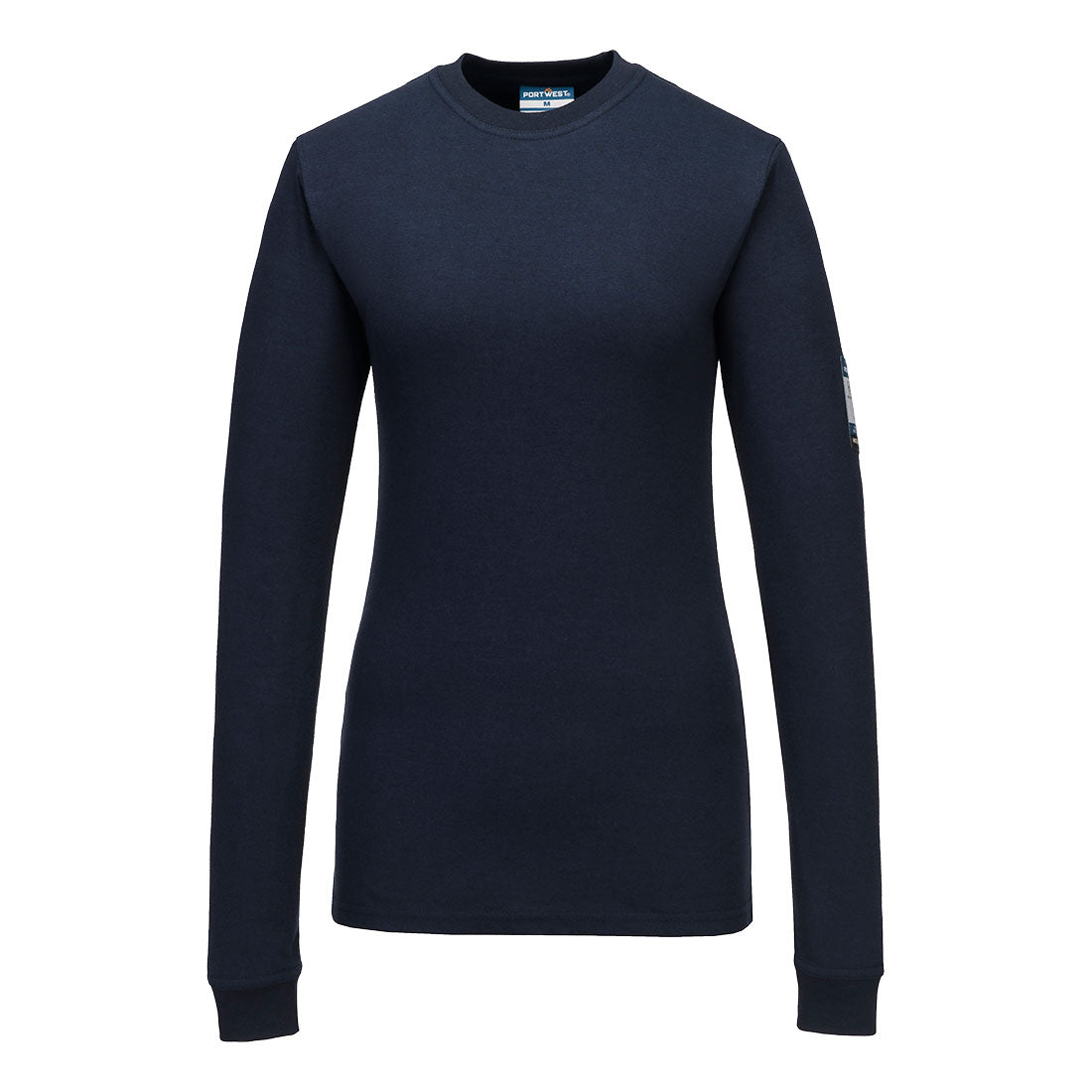
Wear base layers made of cotton, wool or flame-resistant material. Synthetic base layers made of polyester or nylon can melt under heat and stick to the skin, even if the outer layer does its job perfectly. For cold conditions there are flame-resistant thermal sets you can safely wear as a base layer.

Is your question not listed? Ask our specialists.

Recently viewed