Hearing protection

44 products

Showing 1 - 24 of 44 products

Showing 1 - 24 of 44 products
View
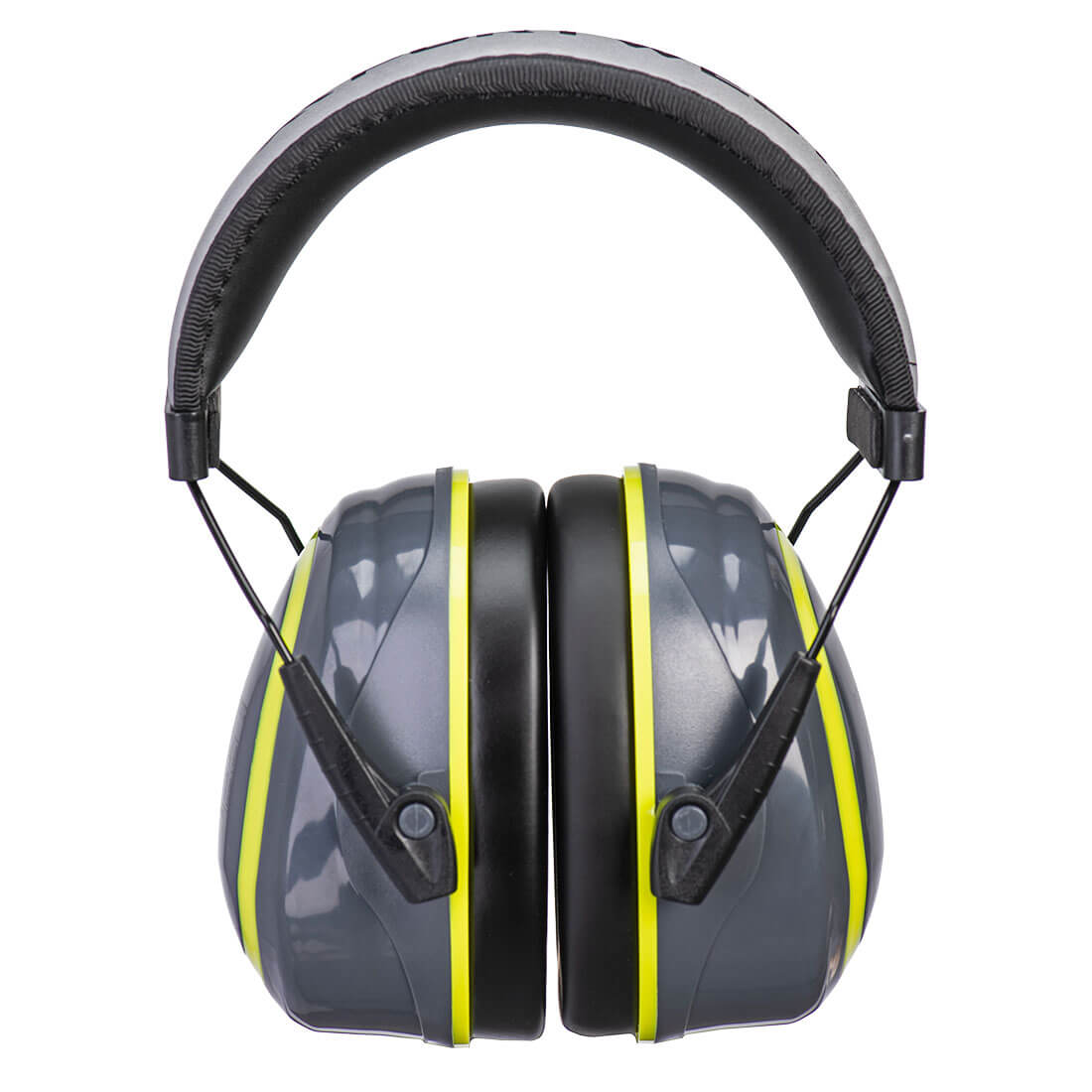
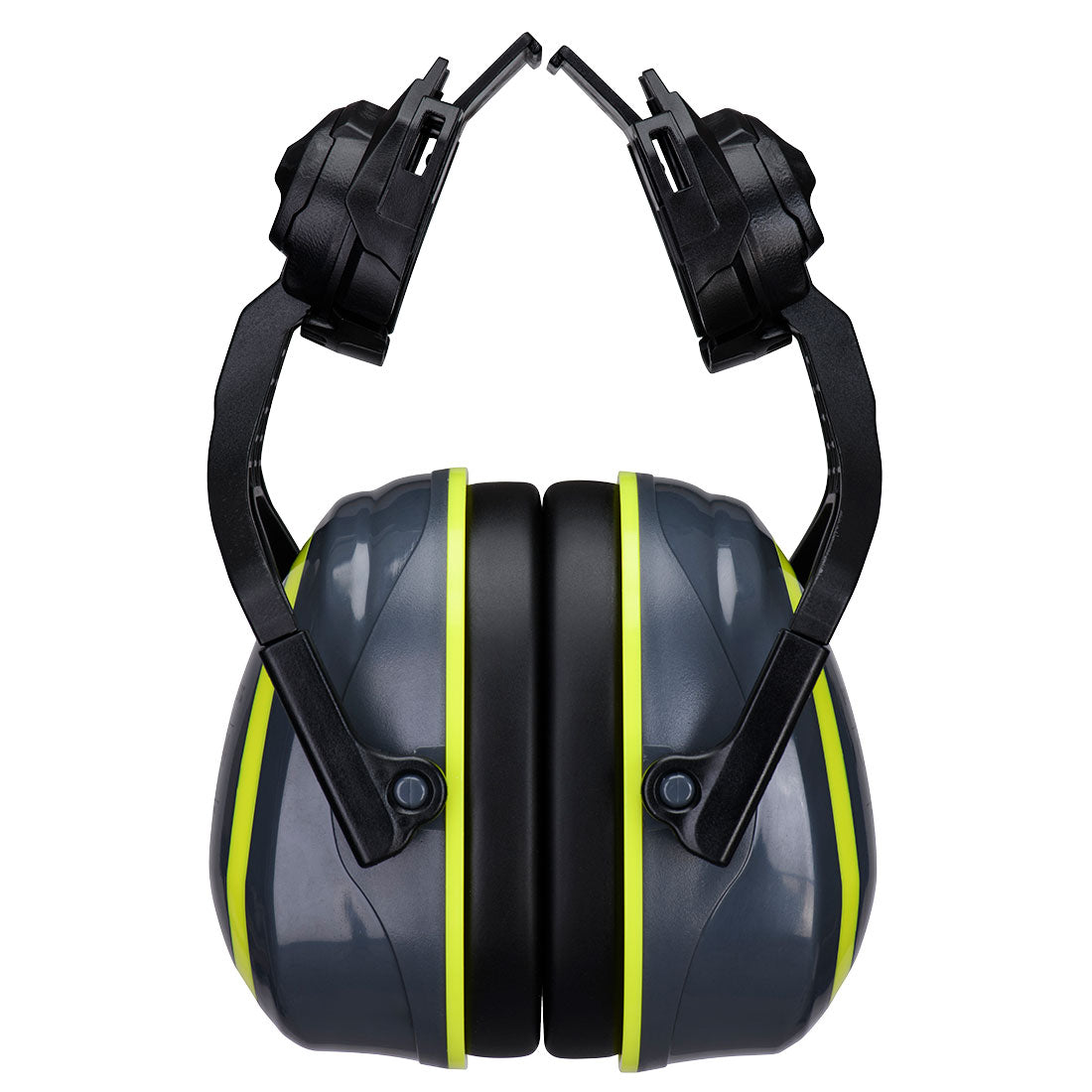
PW73 - HV Extreme Ear Defenders Medium - Portwest - Grey/Yellow
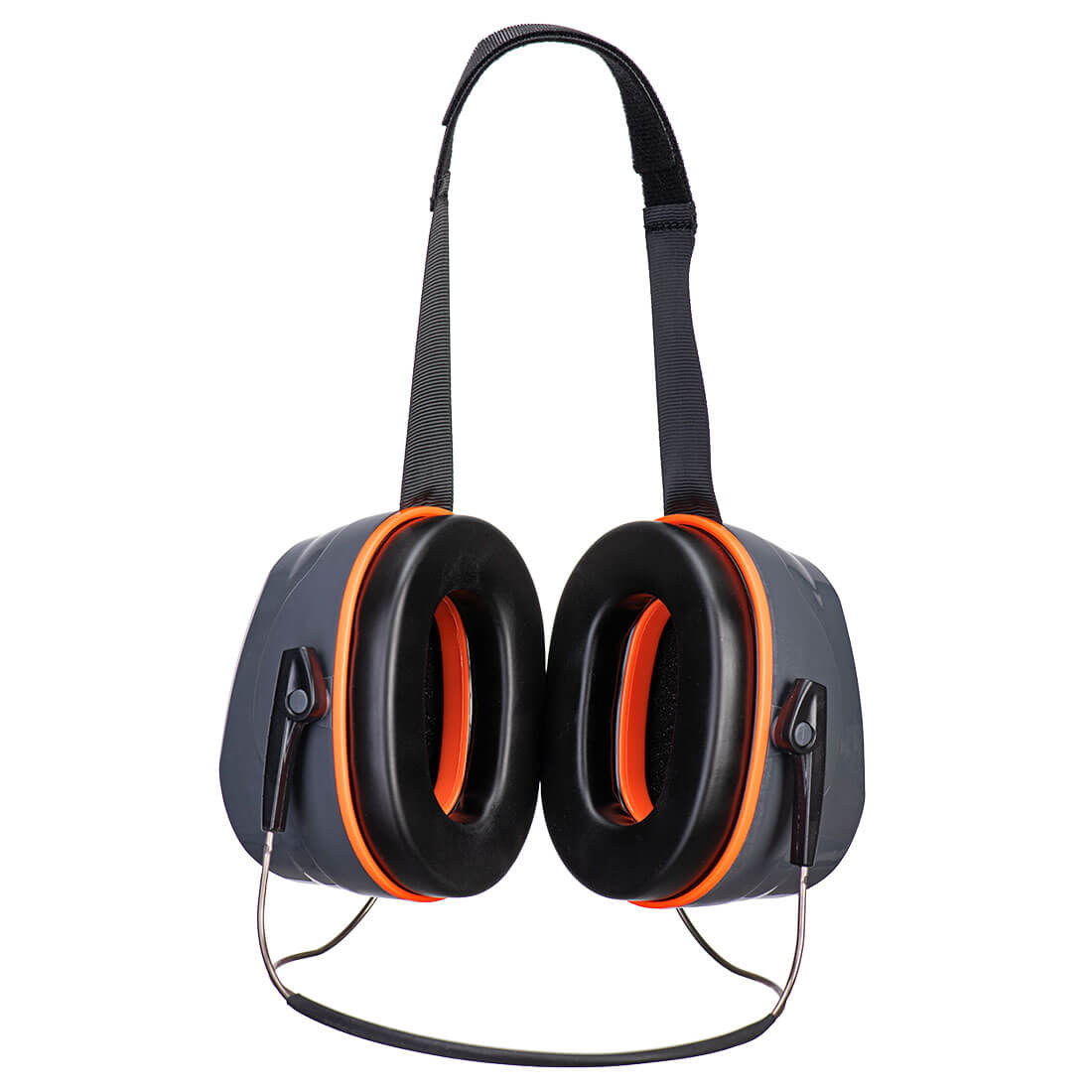
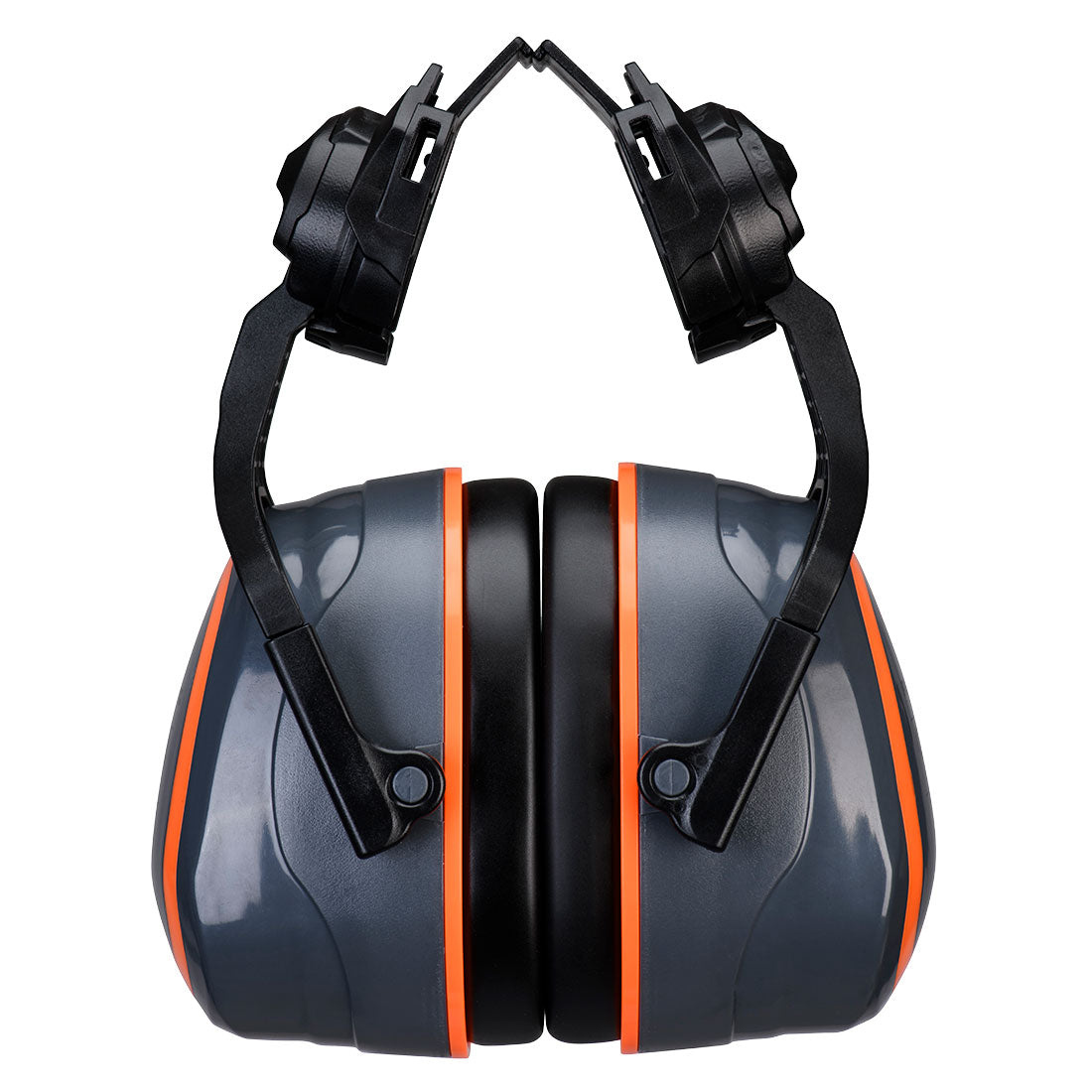
PW78 - HV Extreme Ear Defenders Neckband - Portwest - Grey/Orange
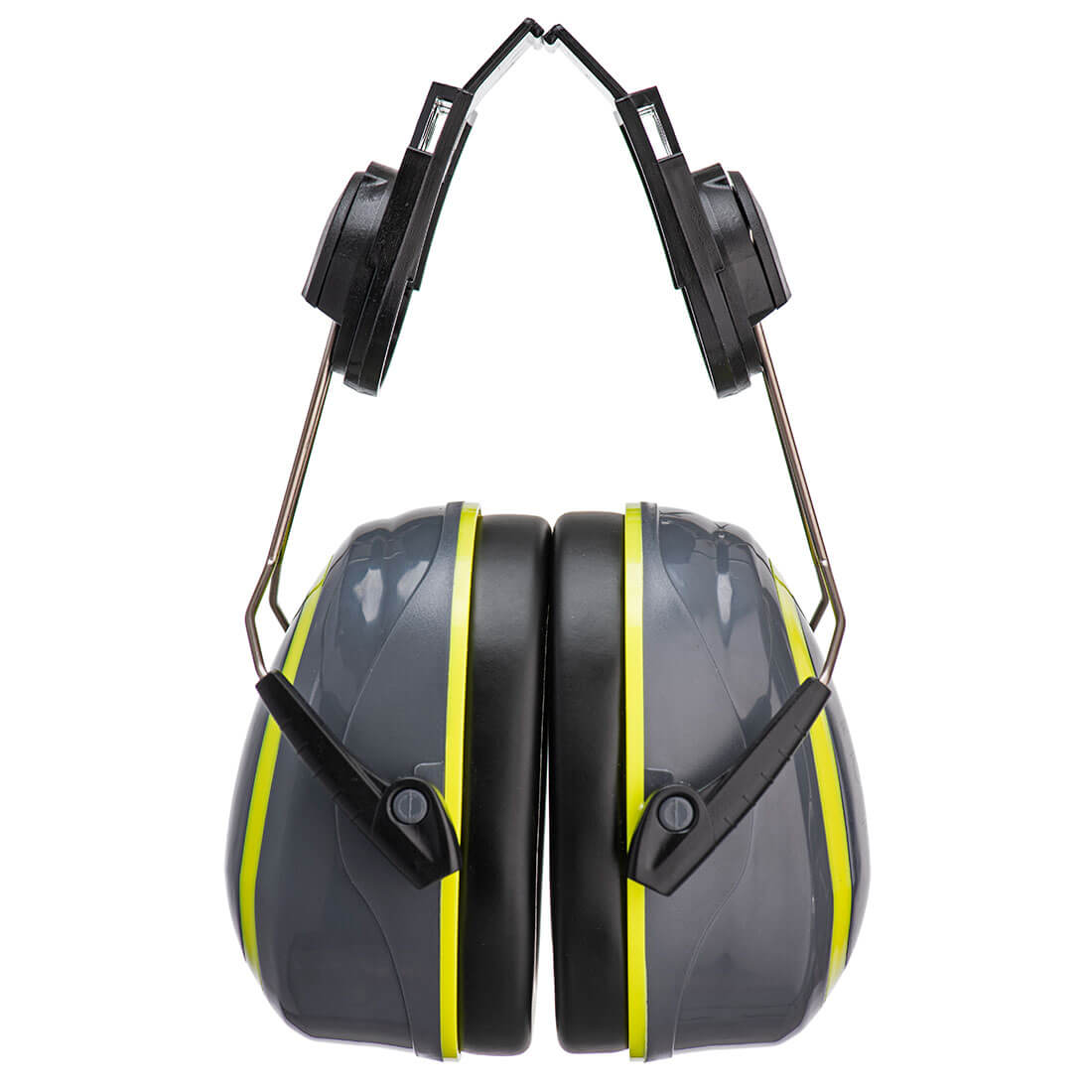
PW76 - HV Extreme Ear Defenders Medium Clip-On - Portwest - Grey/Yellow
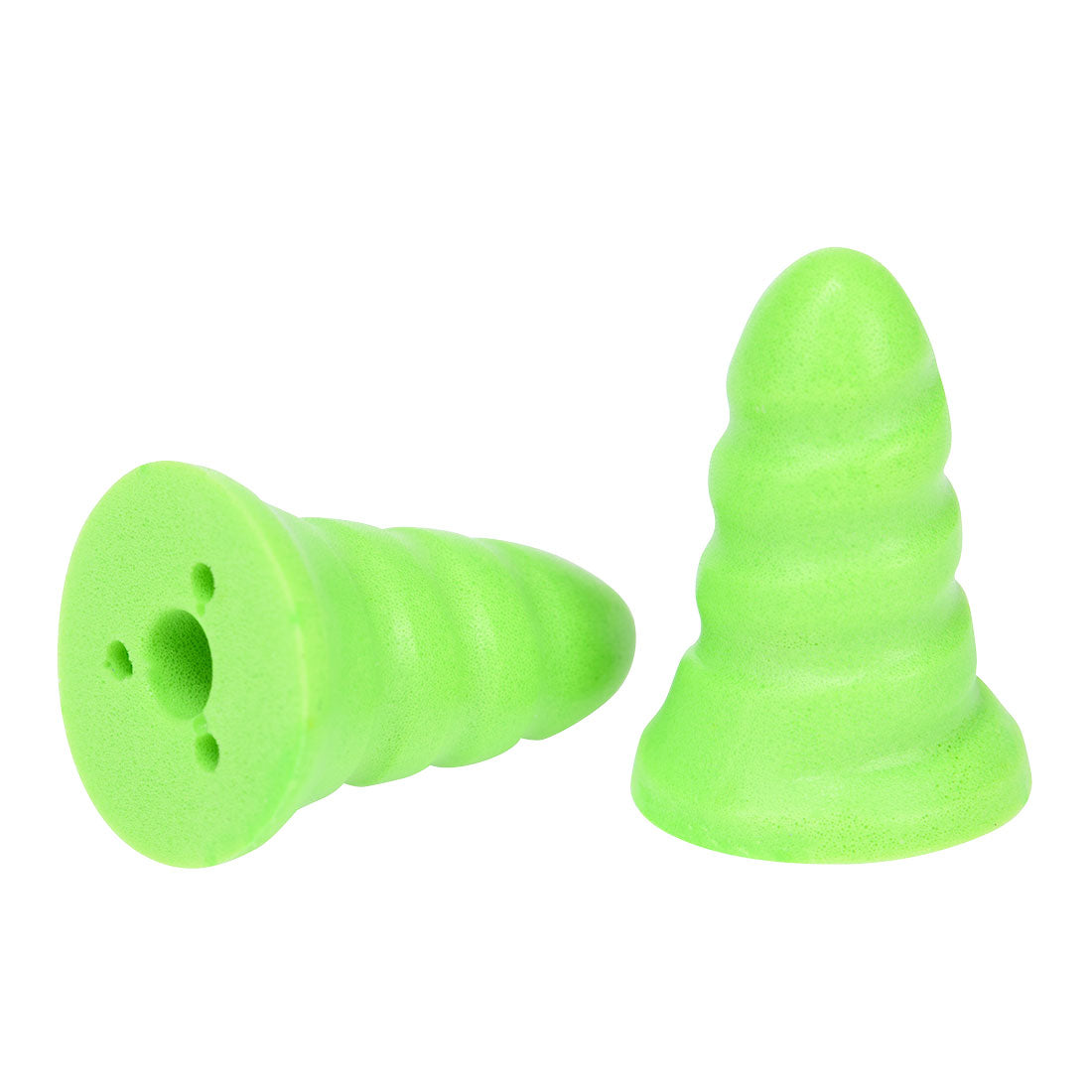
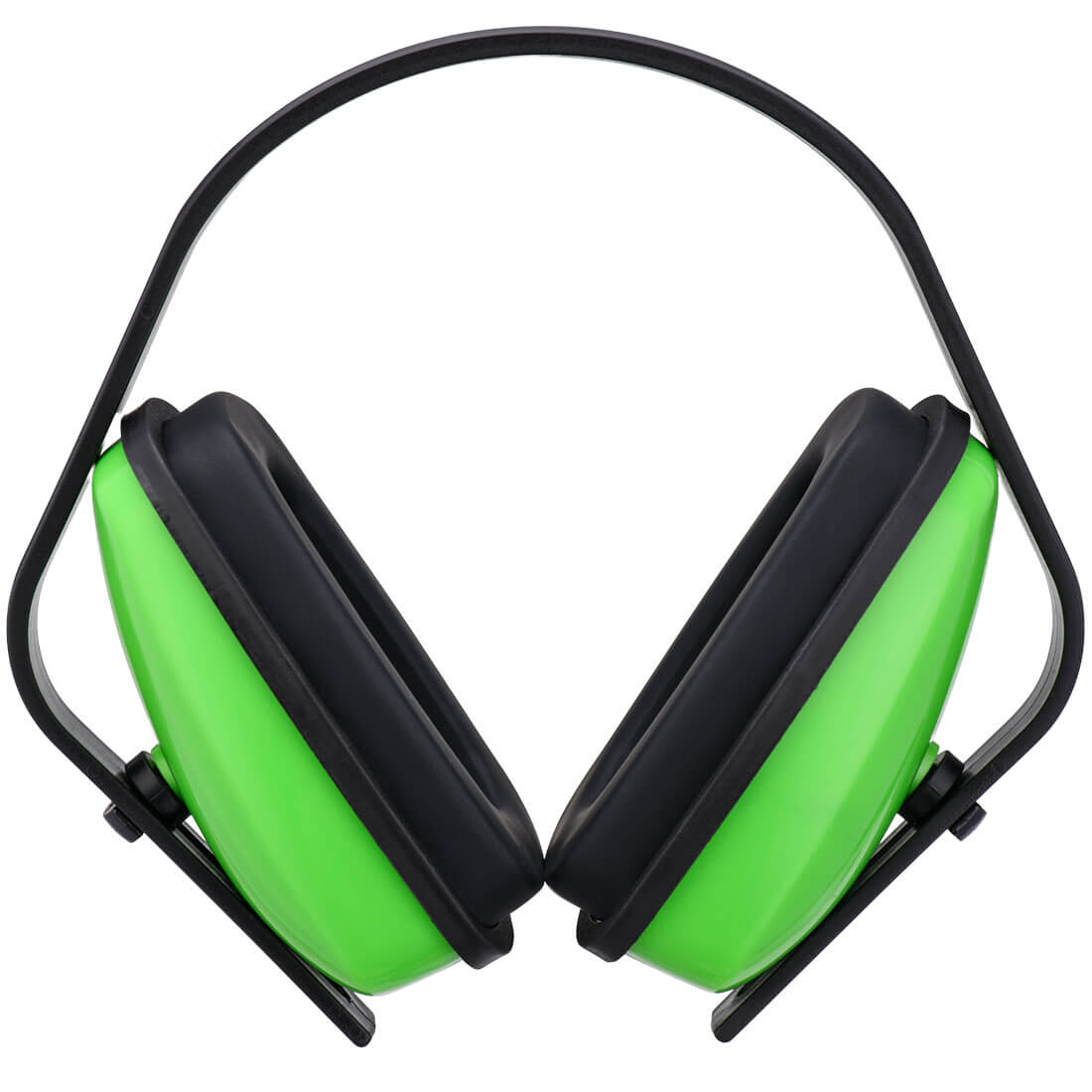
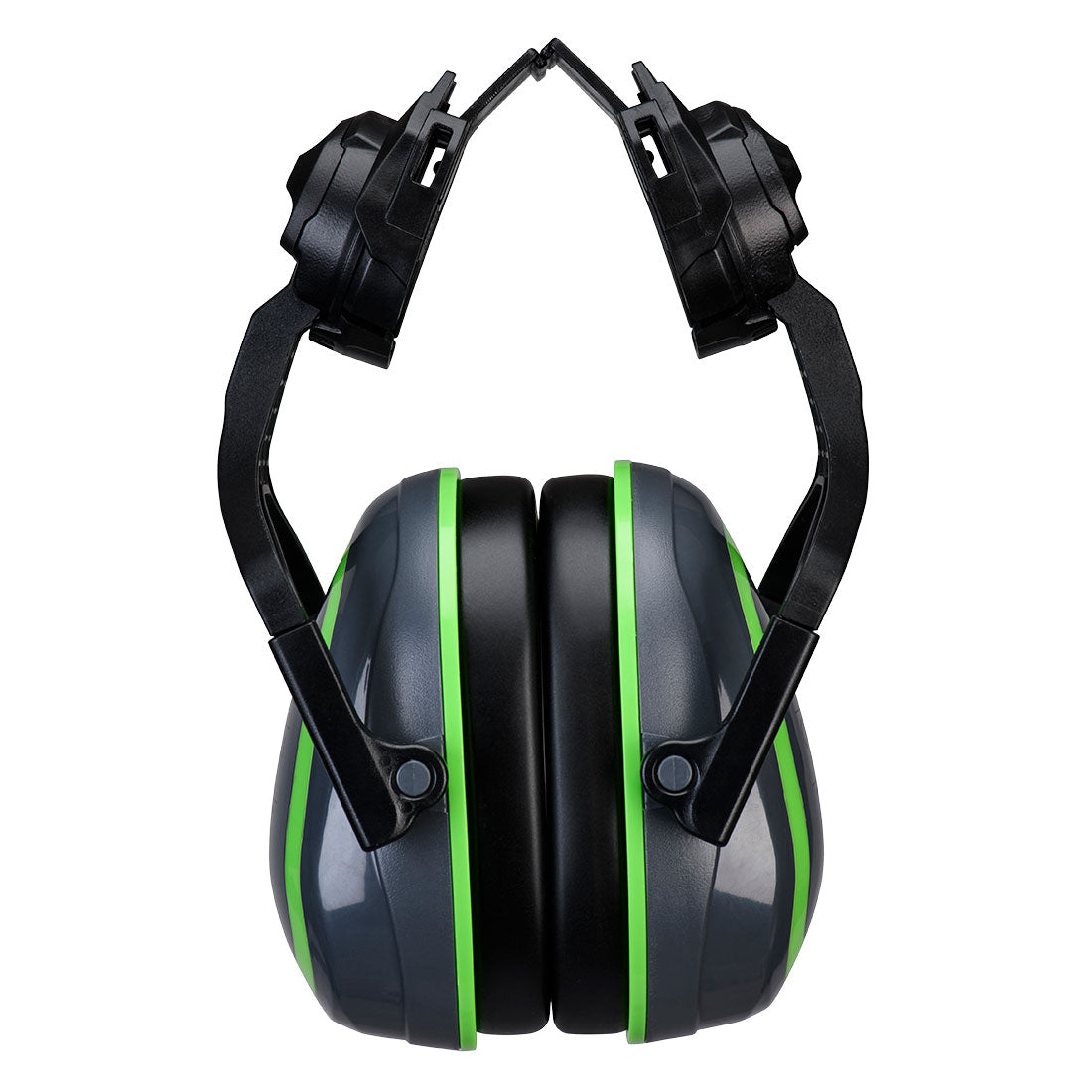
ED01 - Classic Ear Defenders Low - Portwest - Green
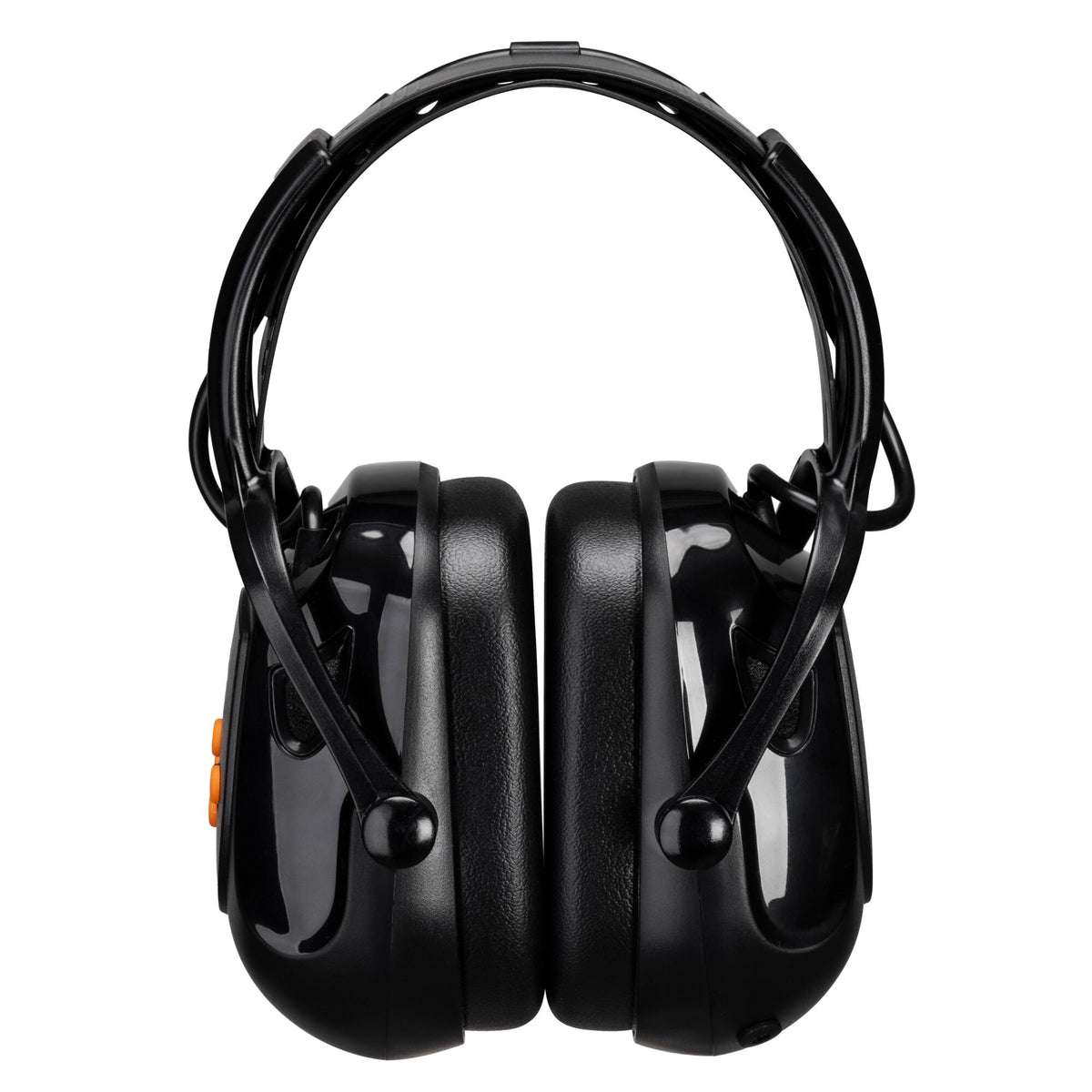
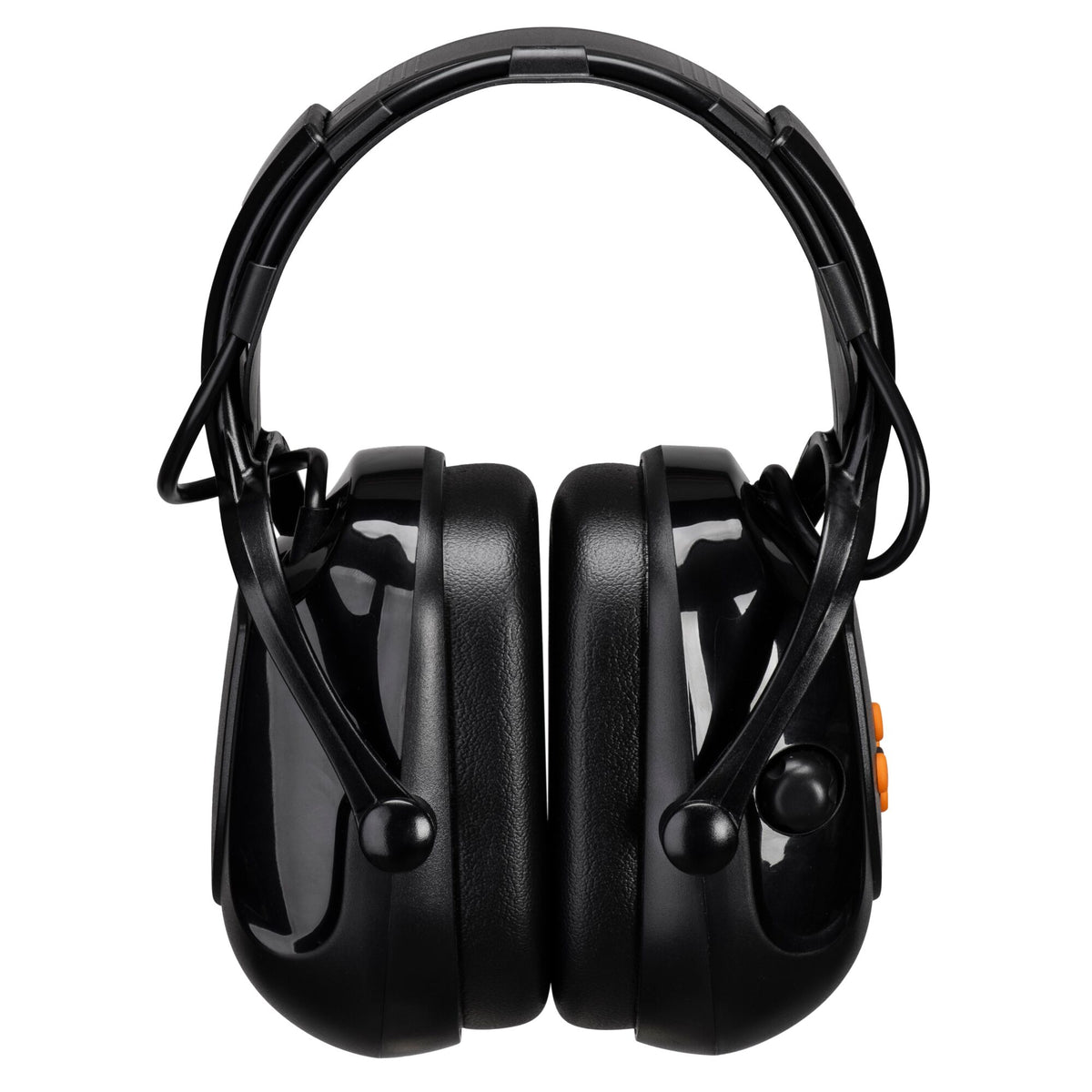
PW77 - Electronic Bluetooth Ear Defenders - PortwestPW77 - Electronic Bluetooth Ear Defenders - Portwest
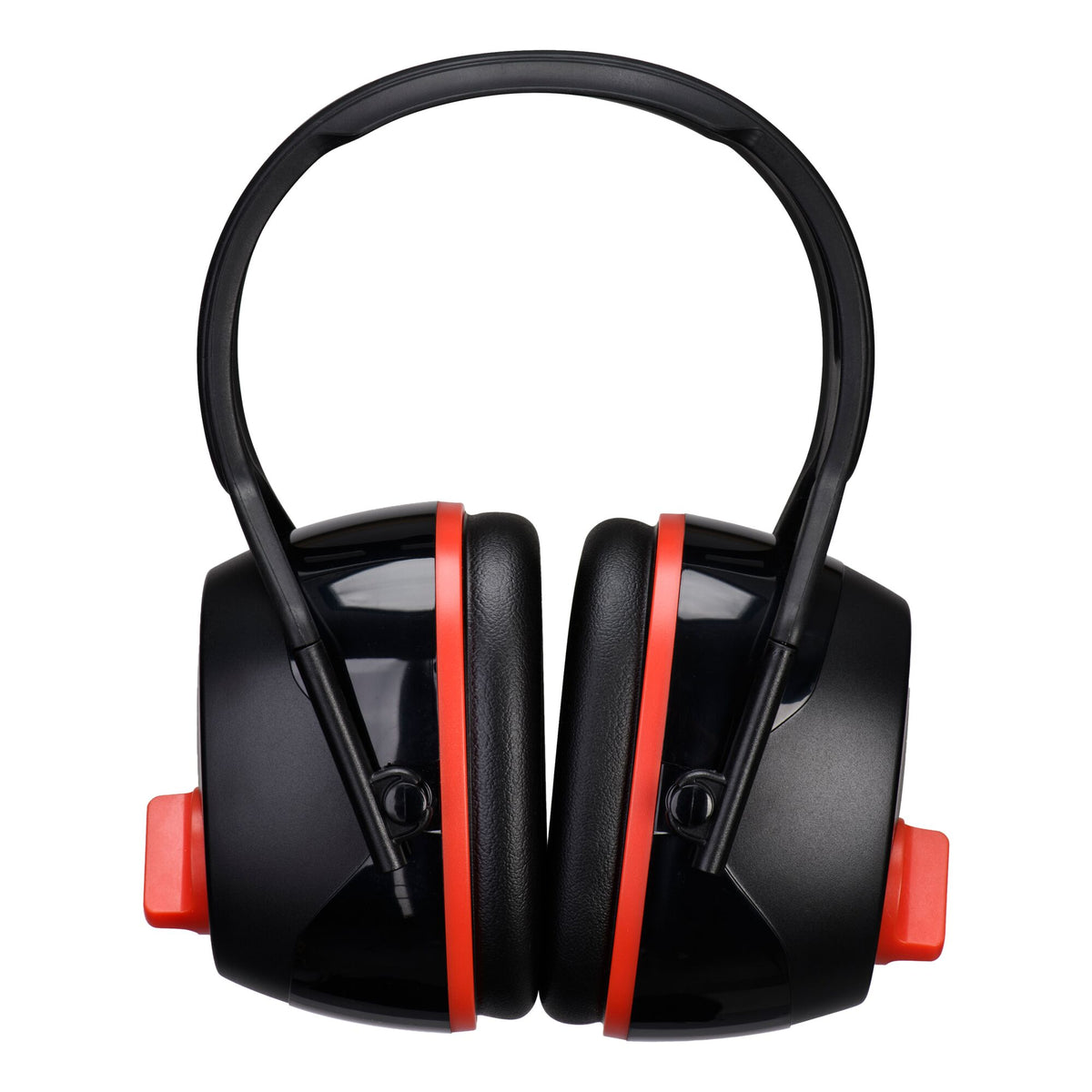
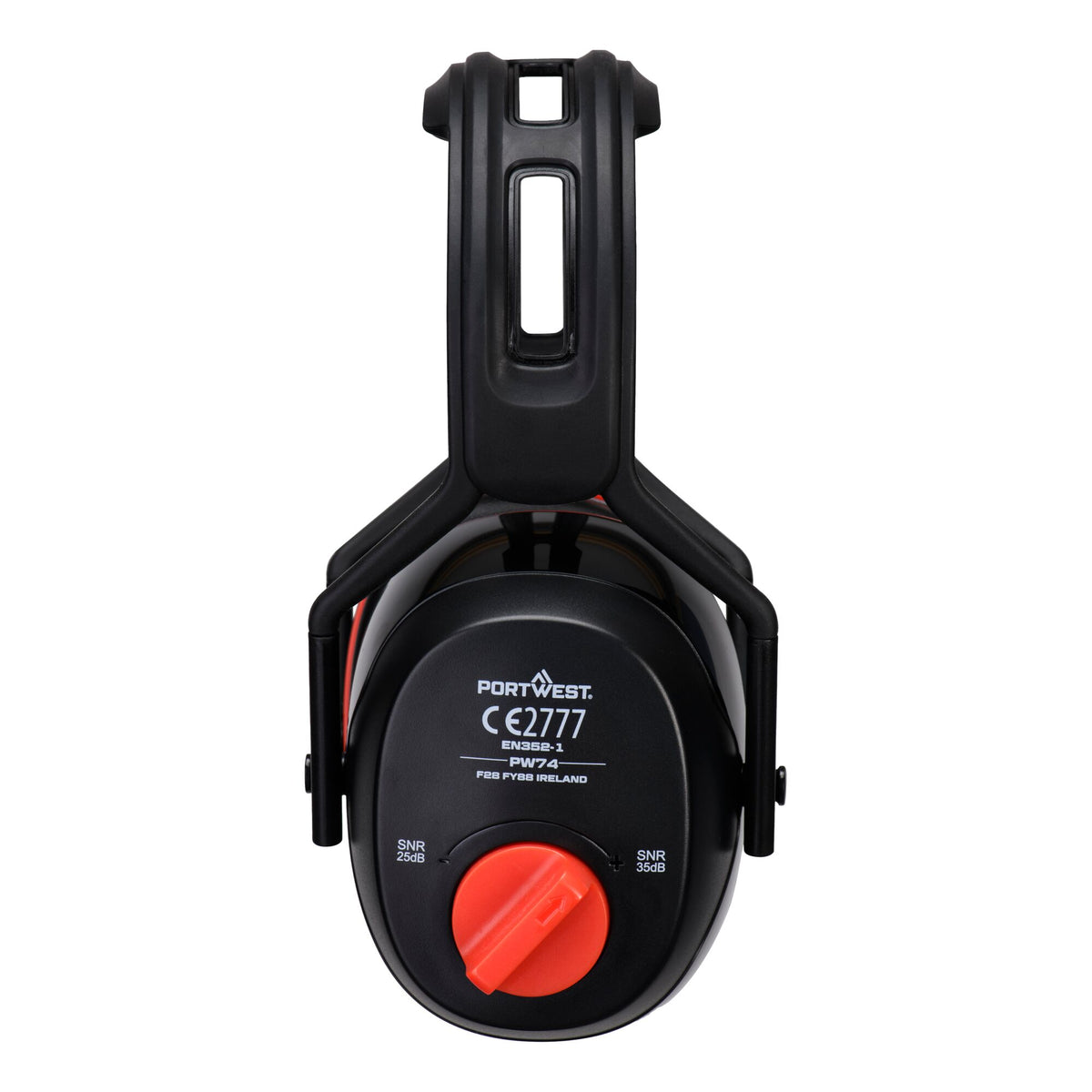
PW74 - Dual SNR Ear Defenders - PortwestPW74 - Dual SNR Ear Defenders - Portwest
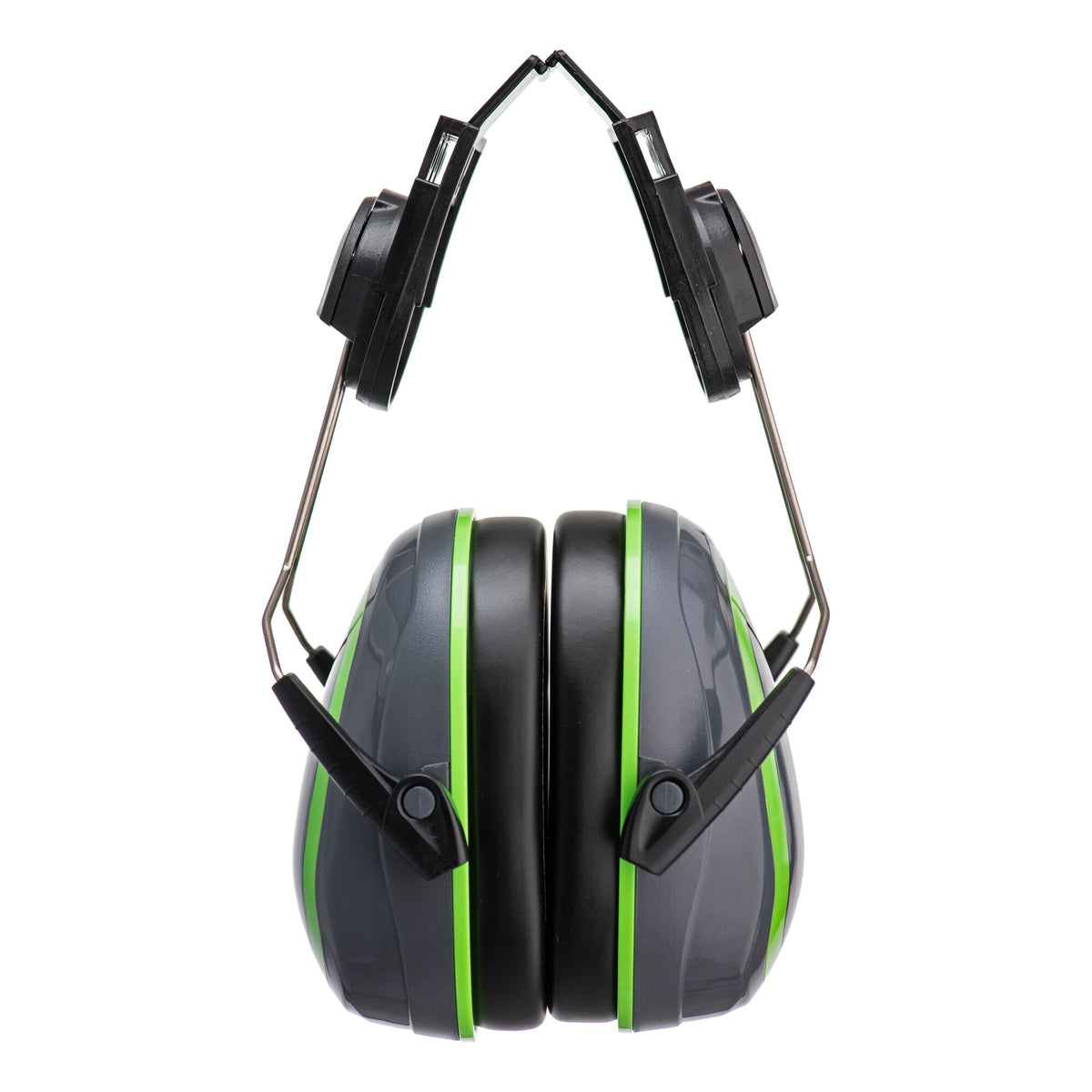
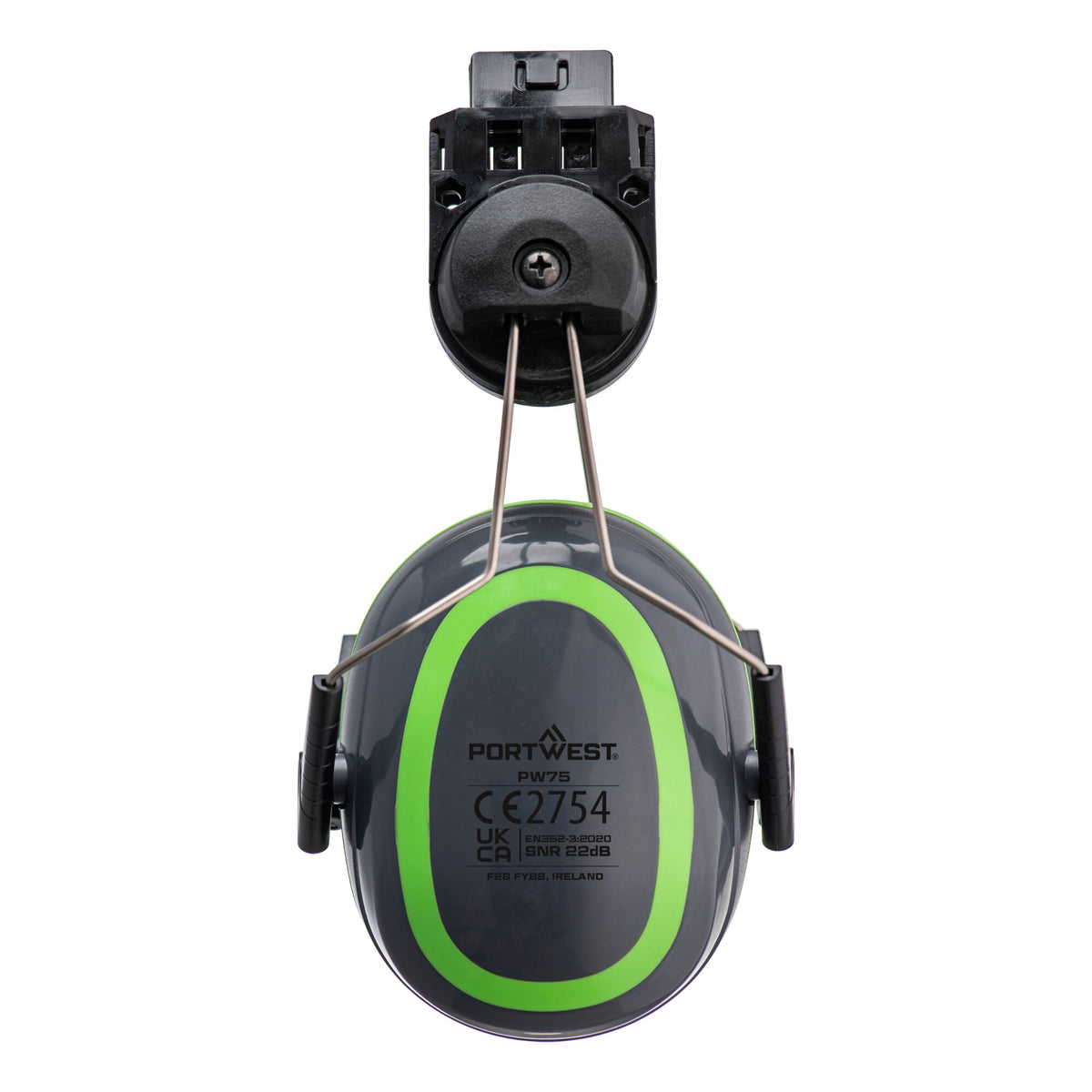
HV Extreme Ear Defenders Low Clip-On - Portwest PW75 PortwestHV Extreme Ear Defenders Low Clip-On - Portwest PW75 Portwest
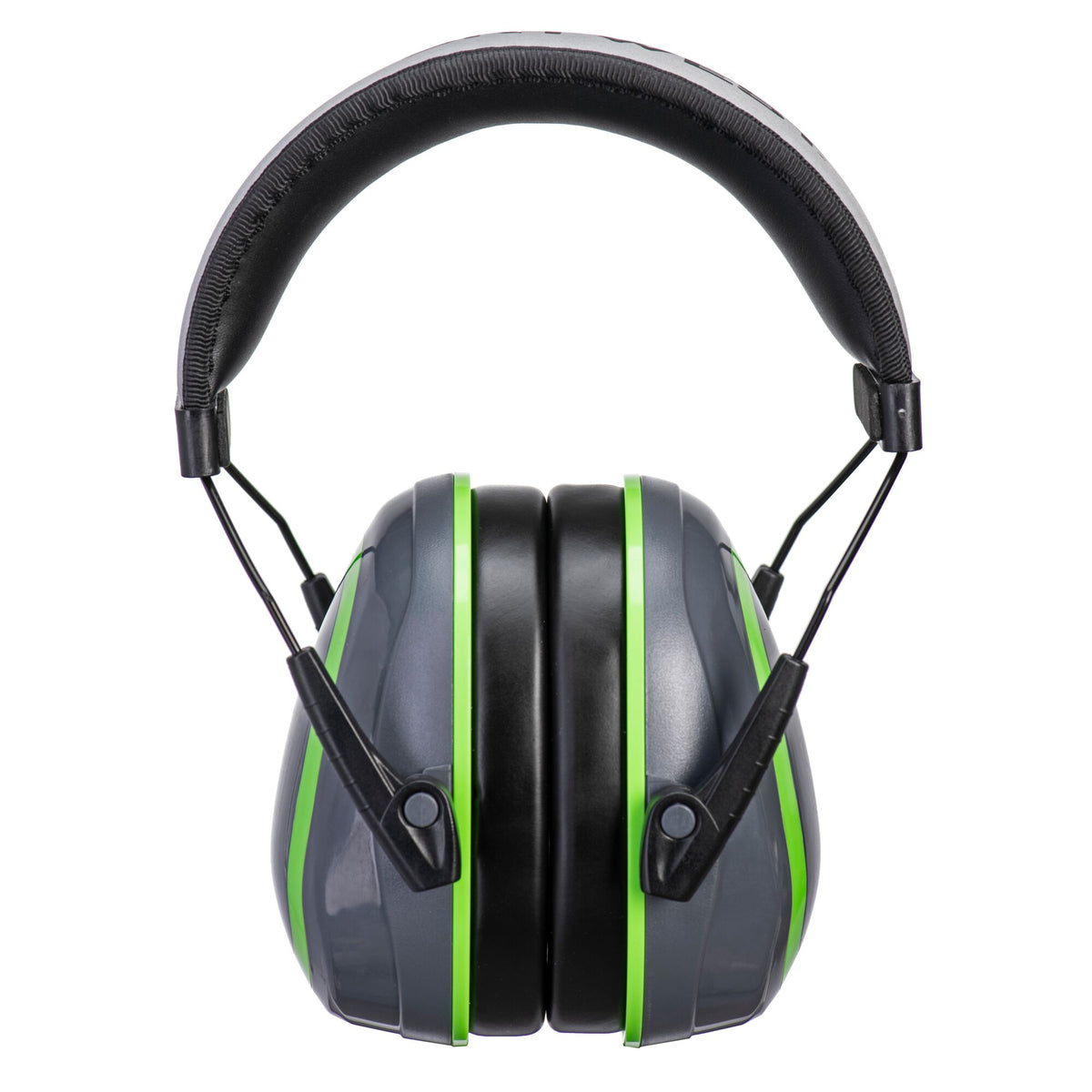
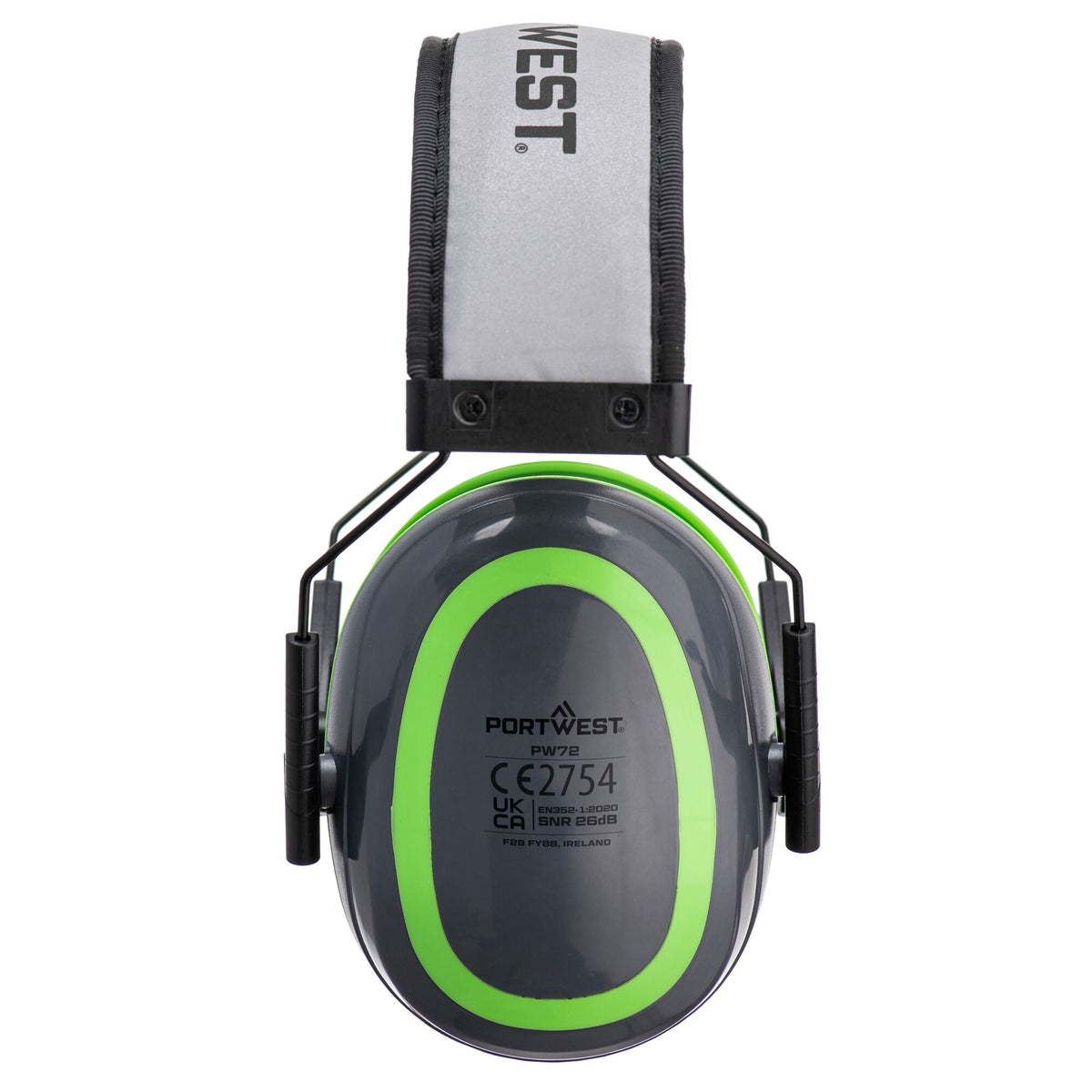
HV Extreme Ear Defenders Low - Portwest PW72 PortwestHV Extreme Ear Defenders Low - Portwest PW72 Portwest
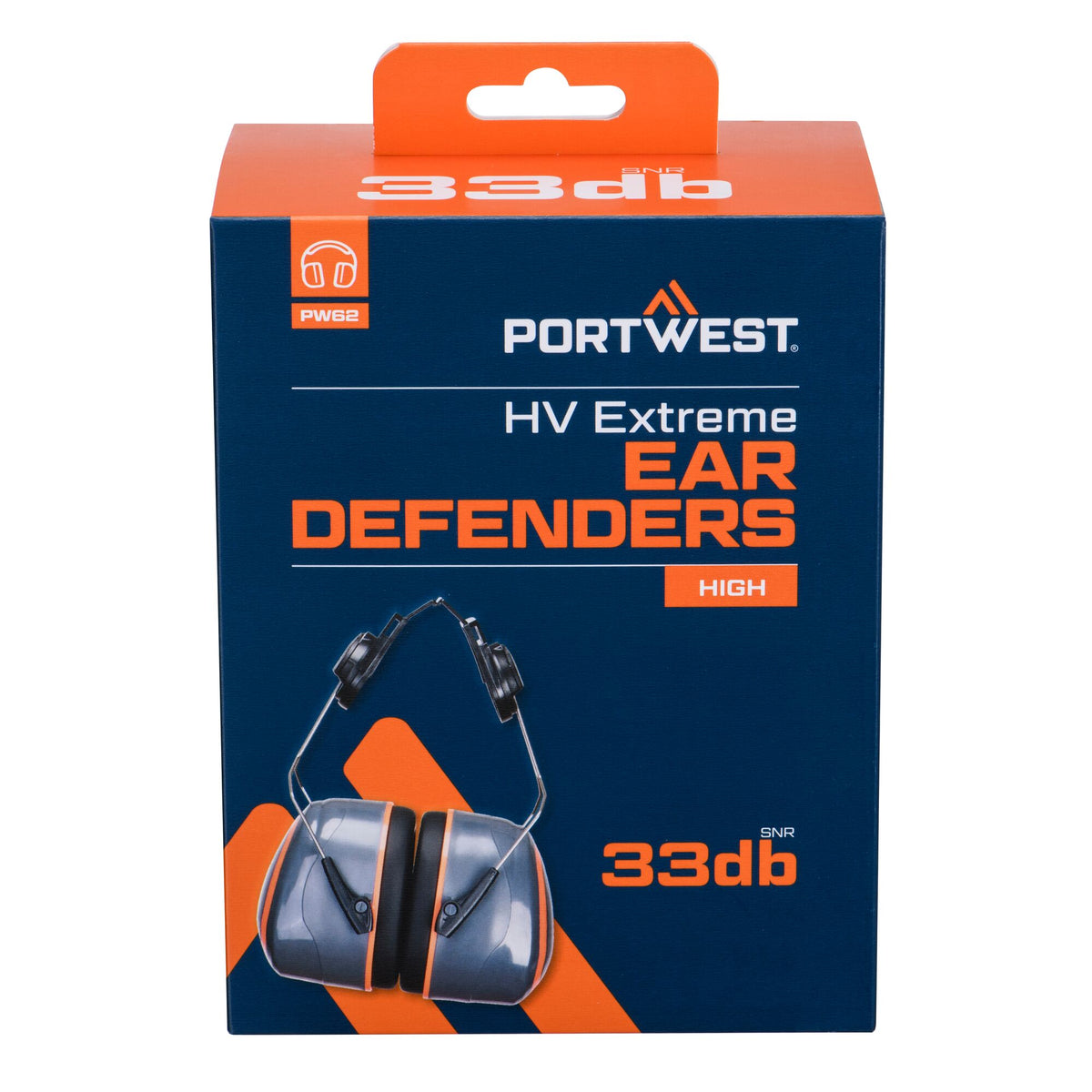
PW62 - HV Extreme Helmet-Mounted Ear Defenders - PortwestPW62 - HV Extreme Helmet-Mounted Ear Defenders - Portwest
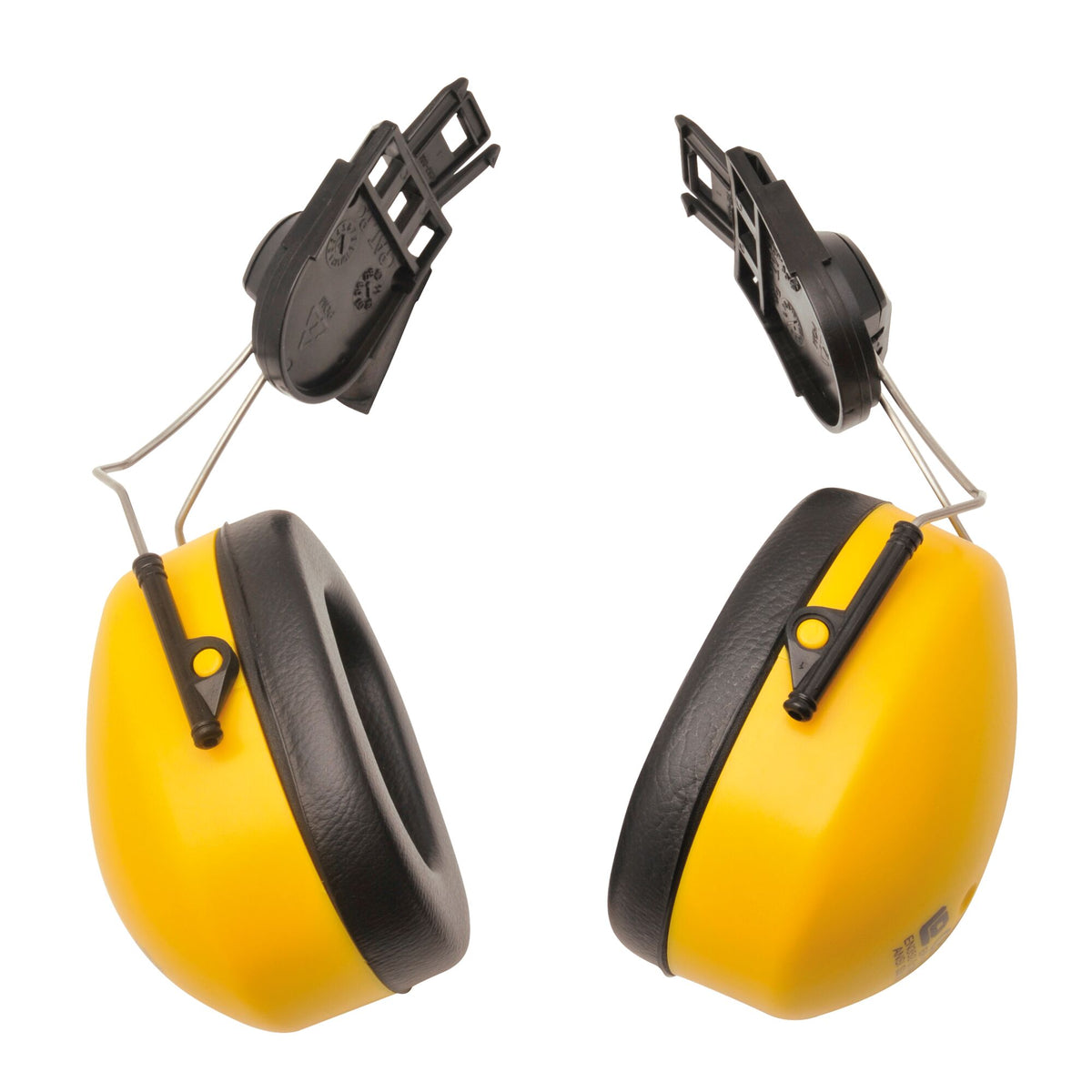
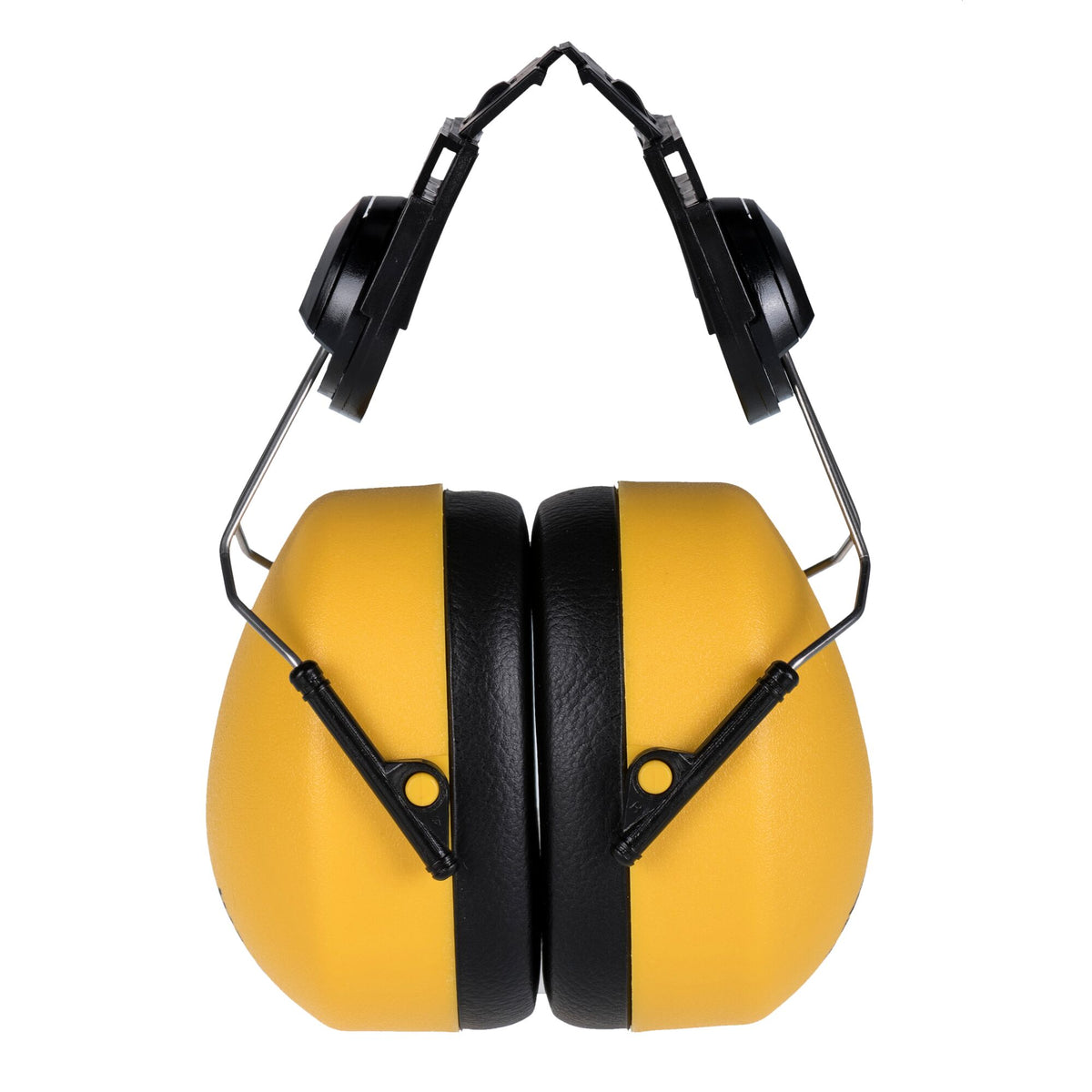
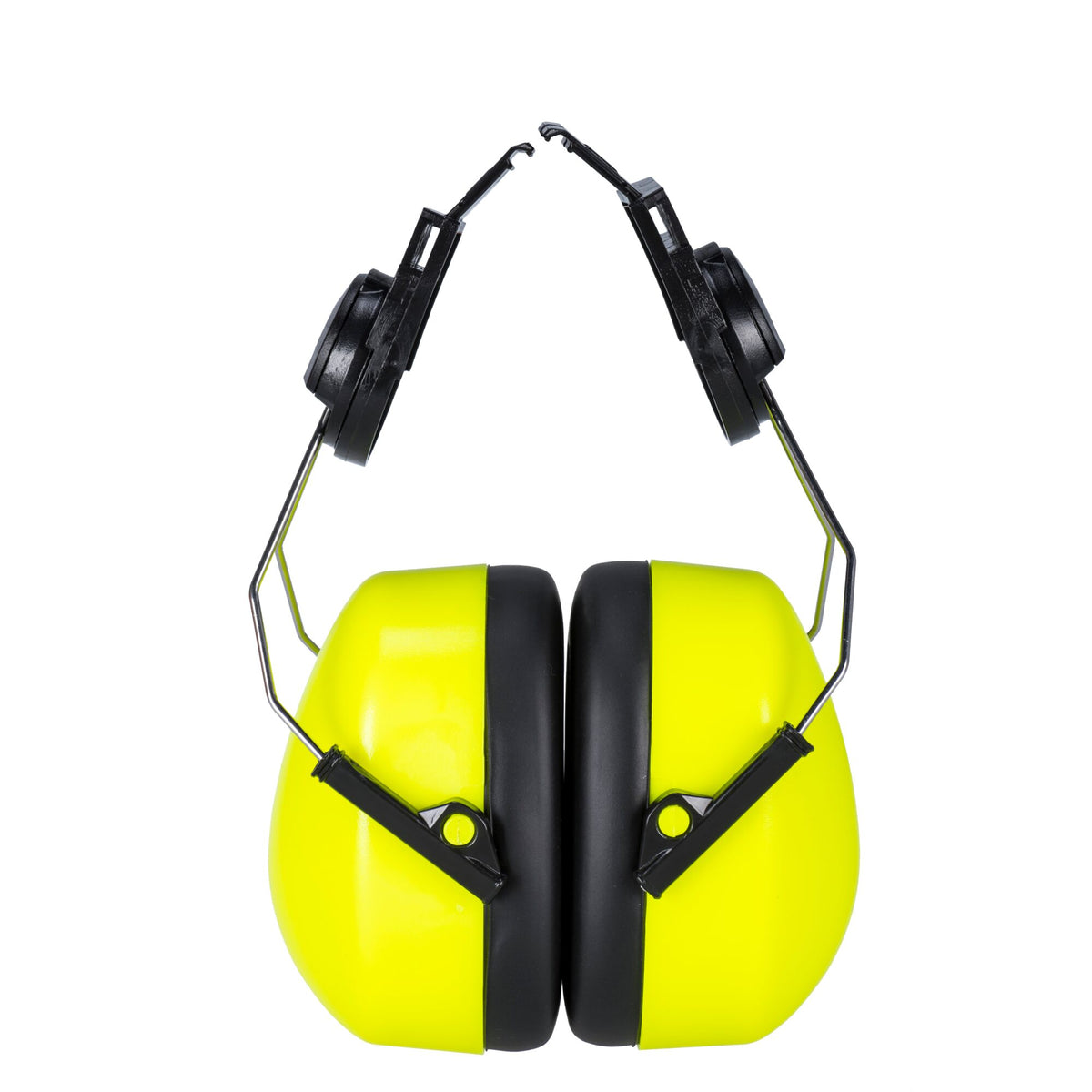
PW47 - Endurance Clip-on Ear Defenders - Portwest
PW43 - Comfort Ear Muffs - Portwest
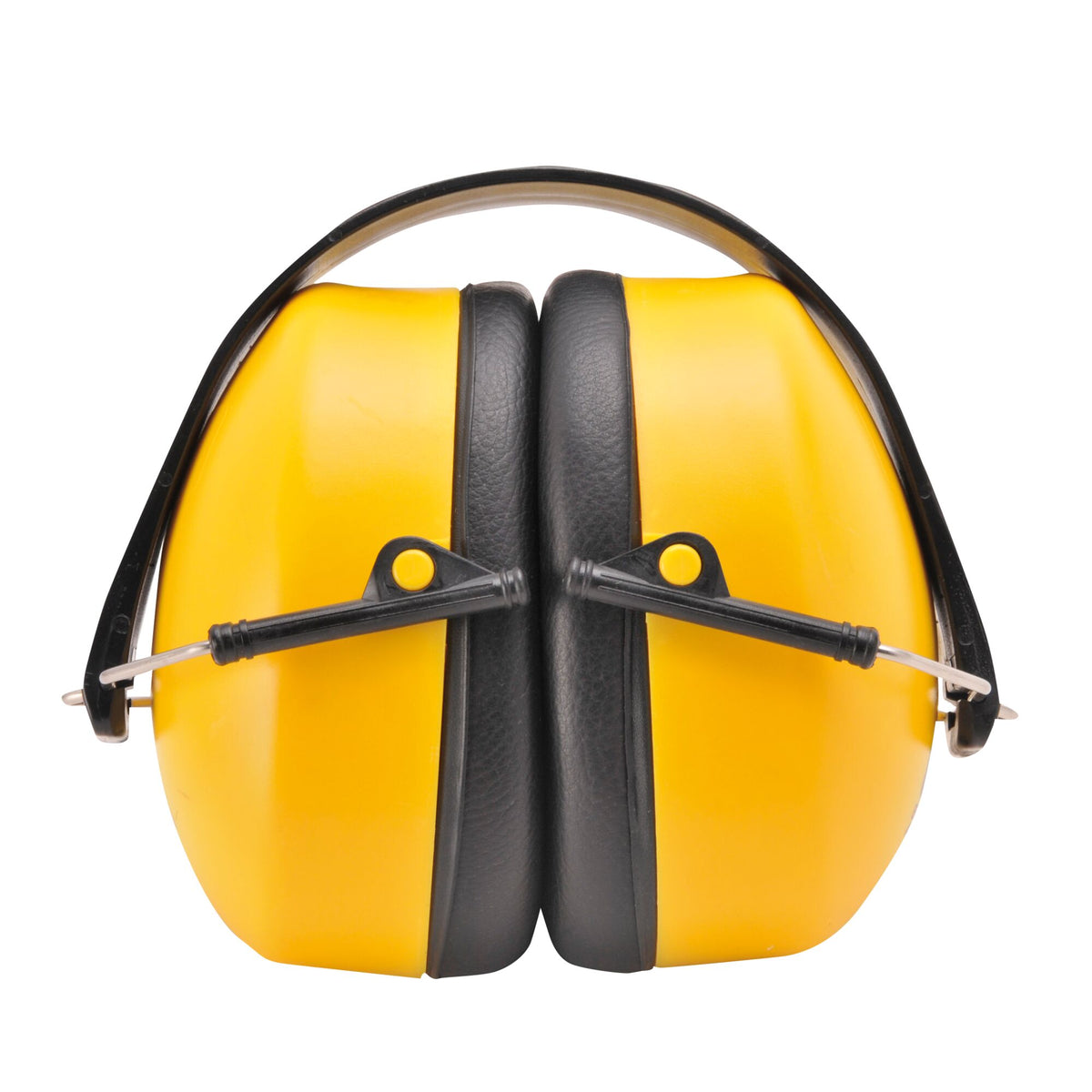
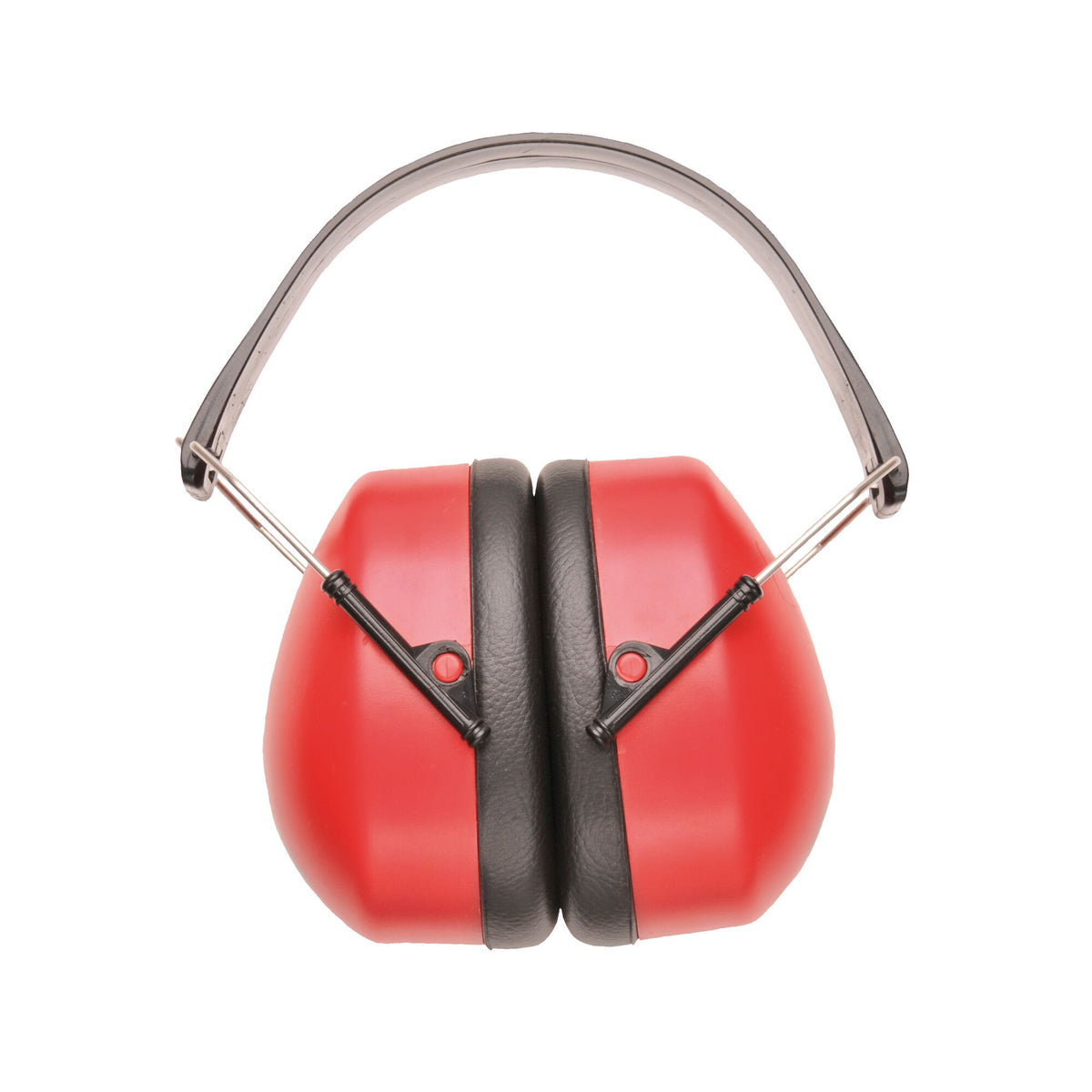
PW41 - Super Ear Defenders - PortwestPW41 - Super Ear Defenders - Portwest
Portwest Super Ear Defenders - Portwest PW41
+2
+1
Sale price€7,26
Choose options
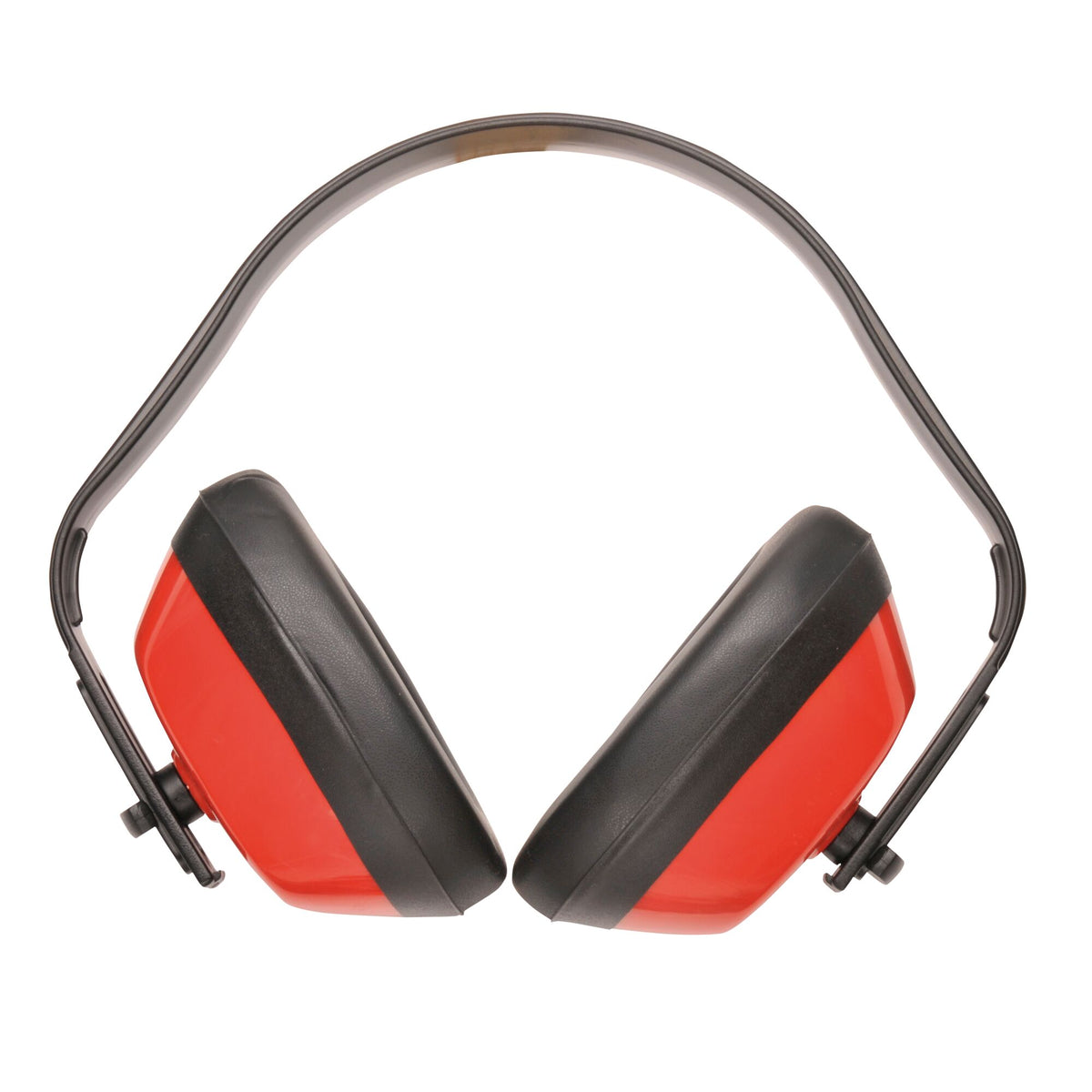
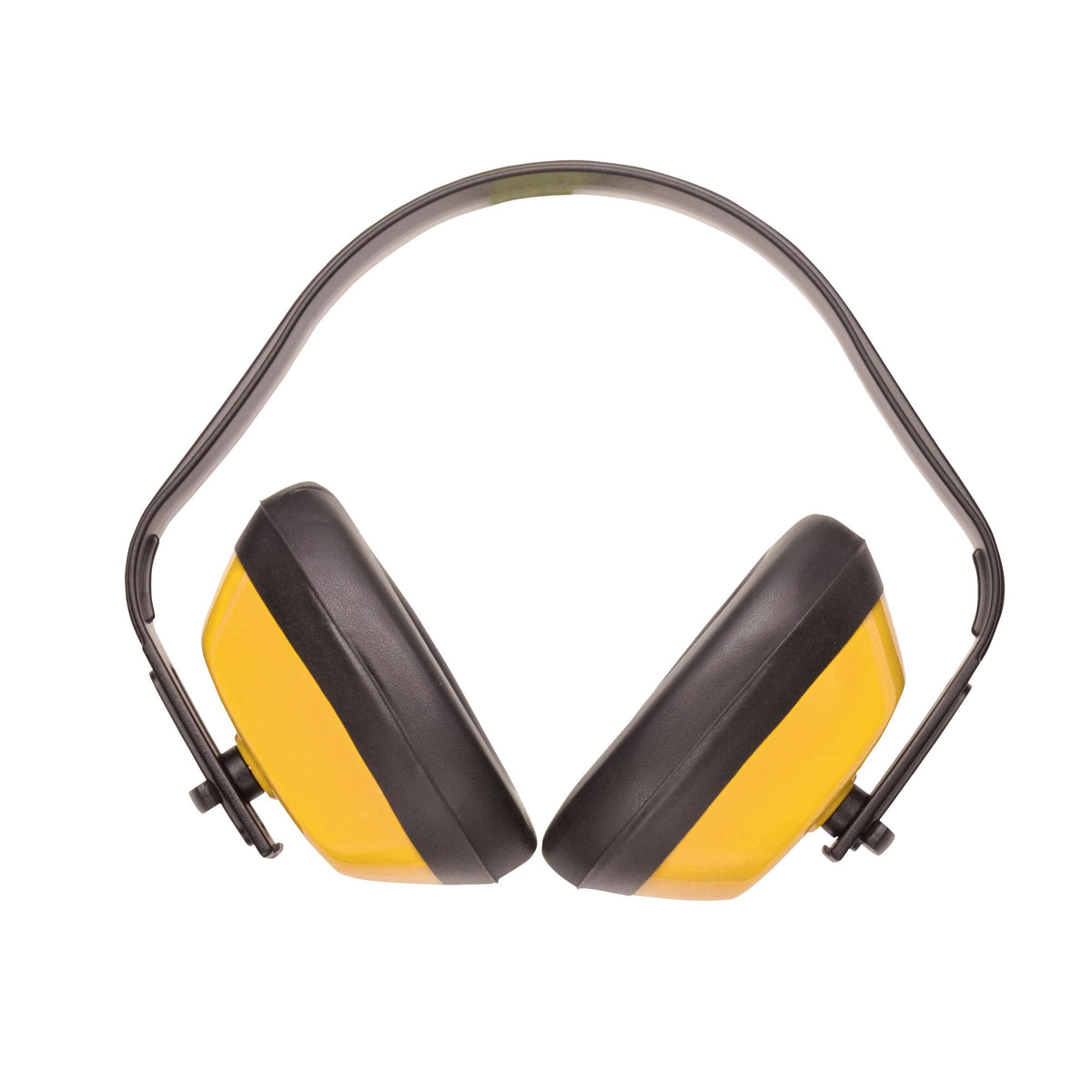
PW40 - Classic Ear Defenders - PortwestPW40 - Classic Ear Defenders - Portwest
Portwest Classic Ear Defenders - Portwest PW40
+2
+1
Sale price€4,97
Choose options
PW04 - HV Extreme Ear Defenders Low Clip-On Metal-Free - Portwest - Grey/Yellow
PW03 - HV Extreme Ear Defenders Low Clip-On Metal-Free - Portwest - Grey/Green
PW05 - HV Extreme Ear Defenders Low Clip-On Metal-Free - Portwest - Grey/Orange
PS47 - Endurance HV Clip-on Ear Defenders - PortwestPS47 - Endurance HV Clip-on Ear Defenders - Portwest
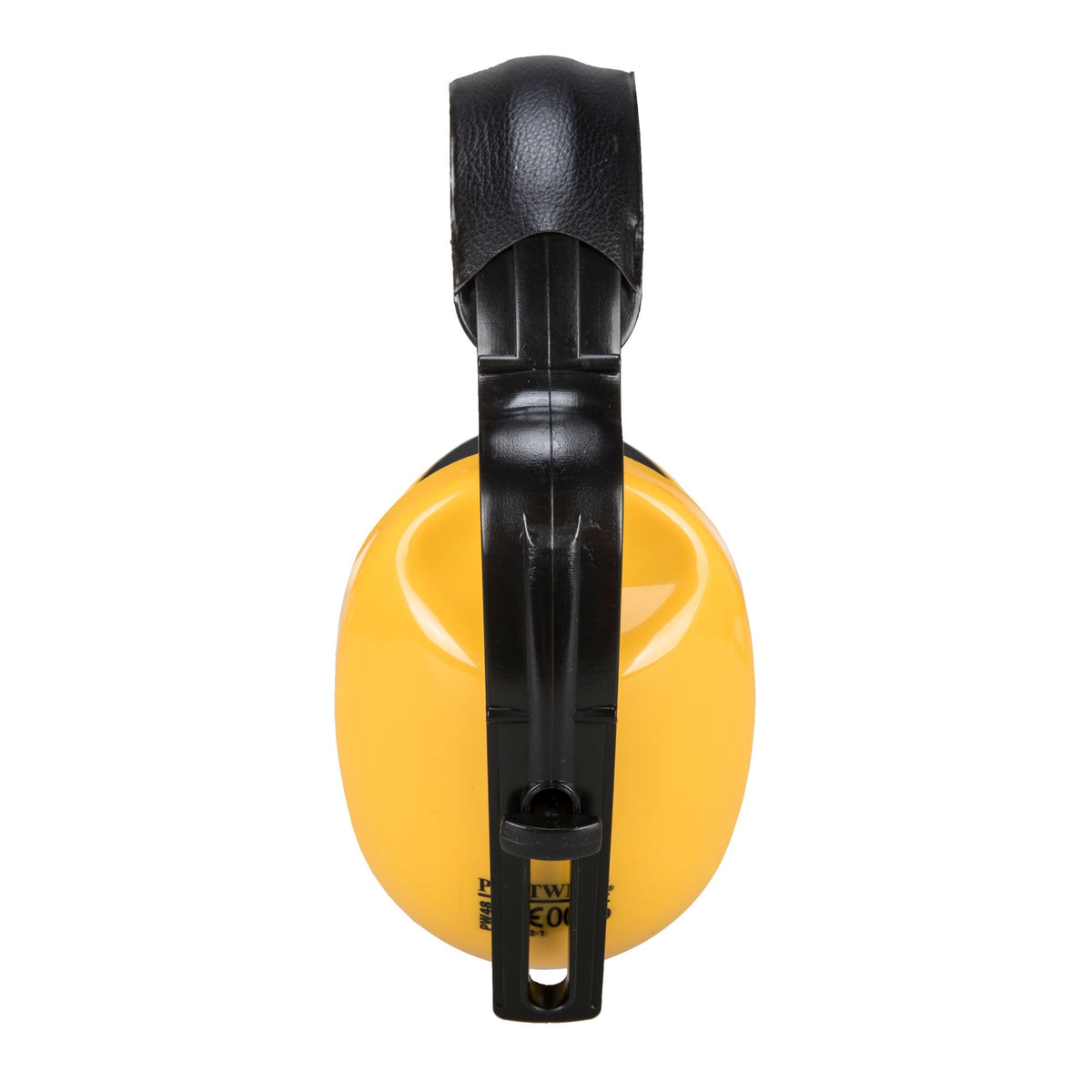
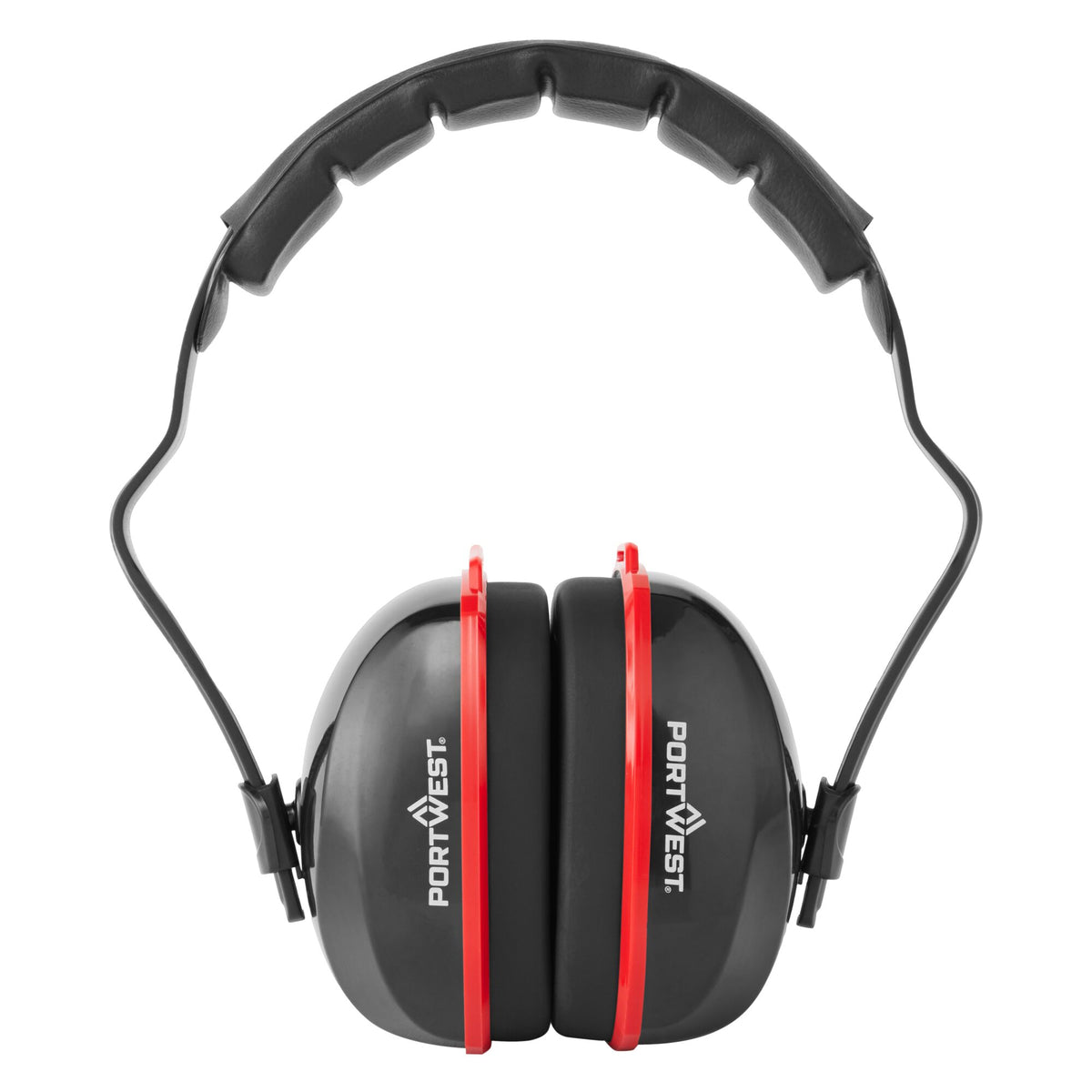
PS46 - Premium Ear Defenders - PortwestPS46 - Premium Ear Defenders - Portwest
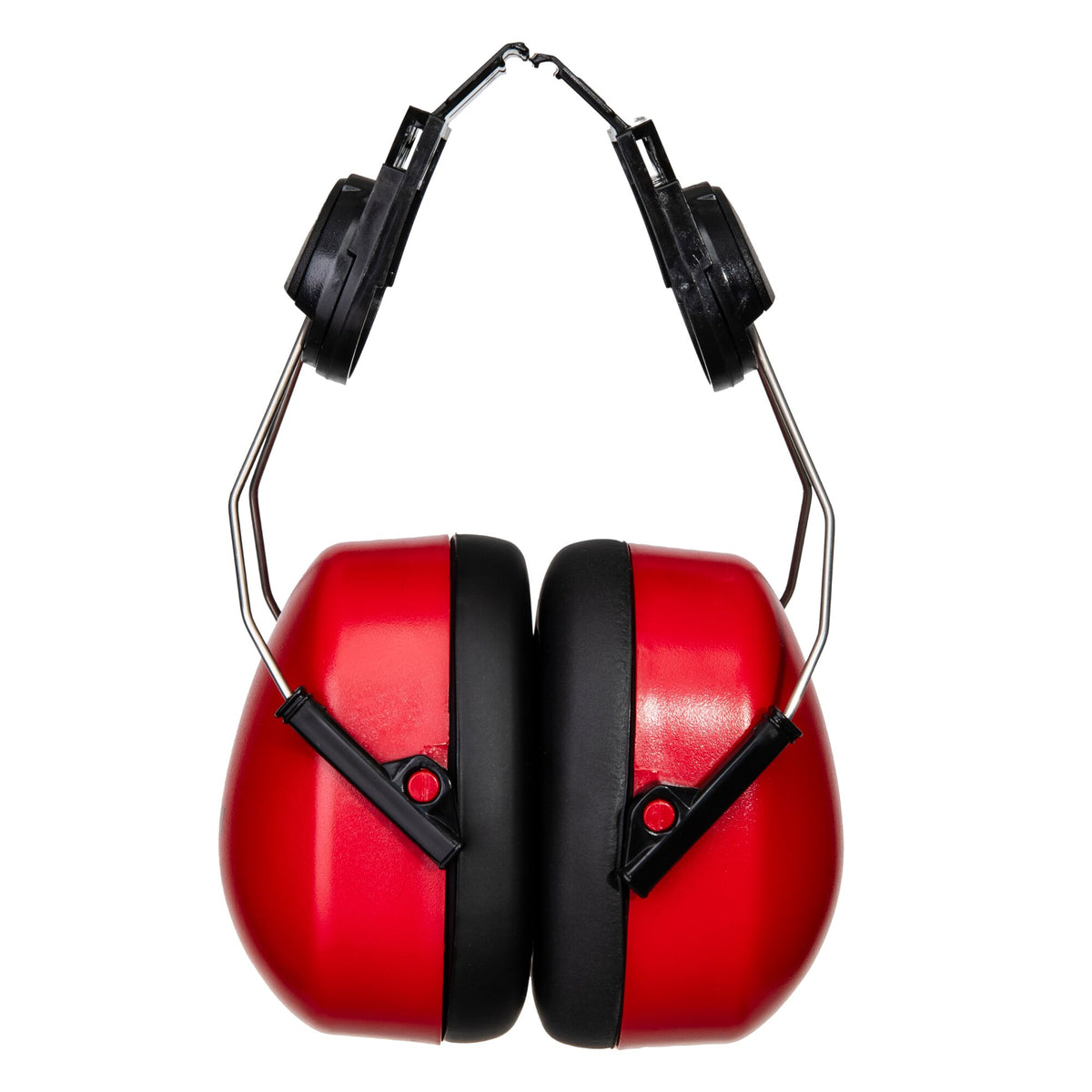
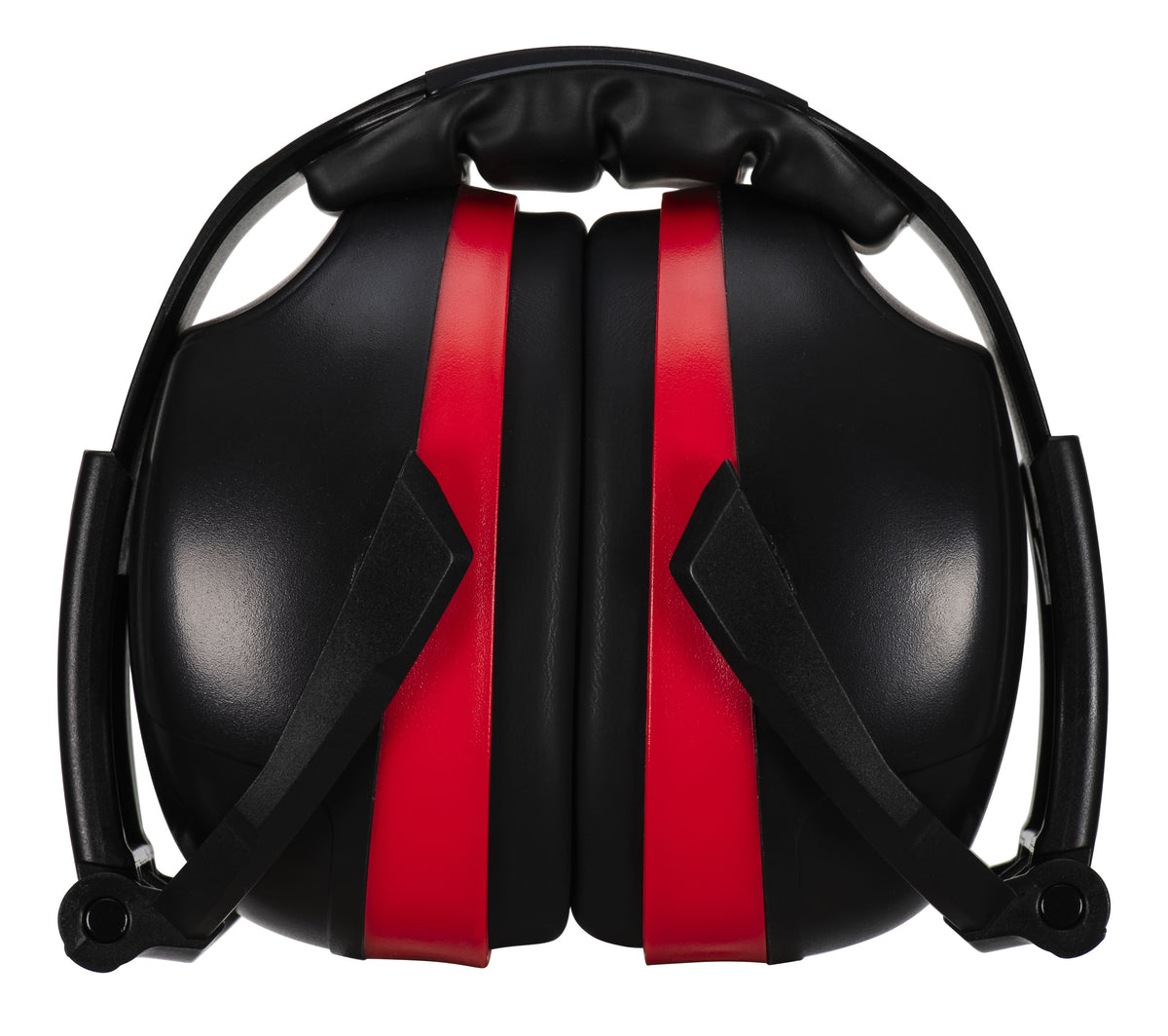
PS44 - Top Ear Defenders - Portwest - Red
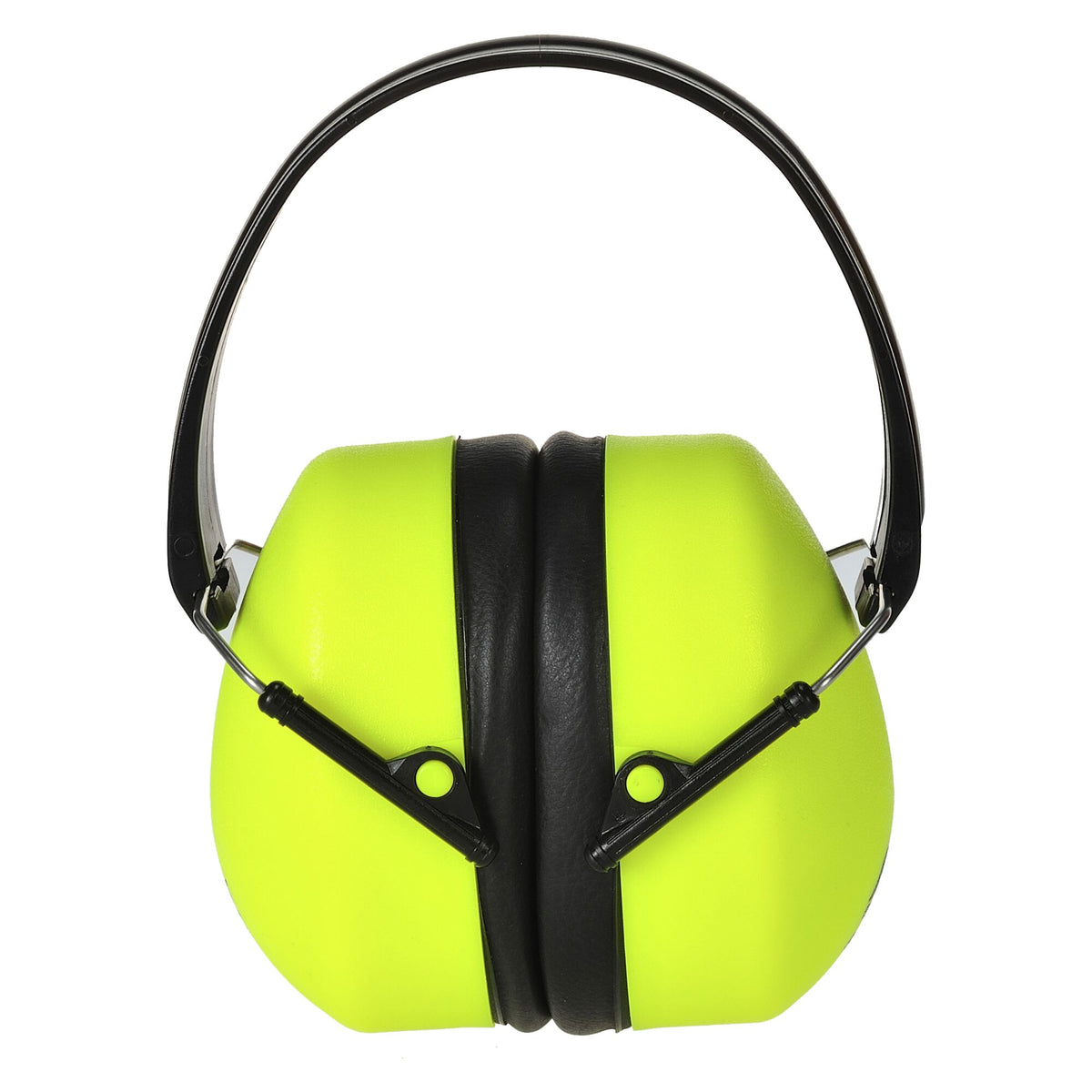
PS41 - Super High Visibility Ear Defenders - Portwest

How much attenuation do you need?

Buying hearing protection starts with the right SNR value for your workplace. From 80 dB(A) average daily exposure, hearing protection must be available; from 85 dB(A) wearing it is mandatory. Choose the SNR value so that roughly 70 to 75 dB(A) remains at your ear. Overprotection is a real problem: someone who can't hear anything takes the earmuffs off or misses warnings, and then the protection is zero.

Earmuffs, plugs or custom molds

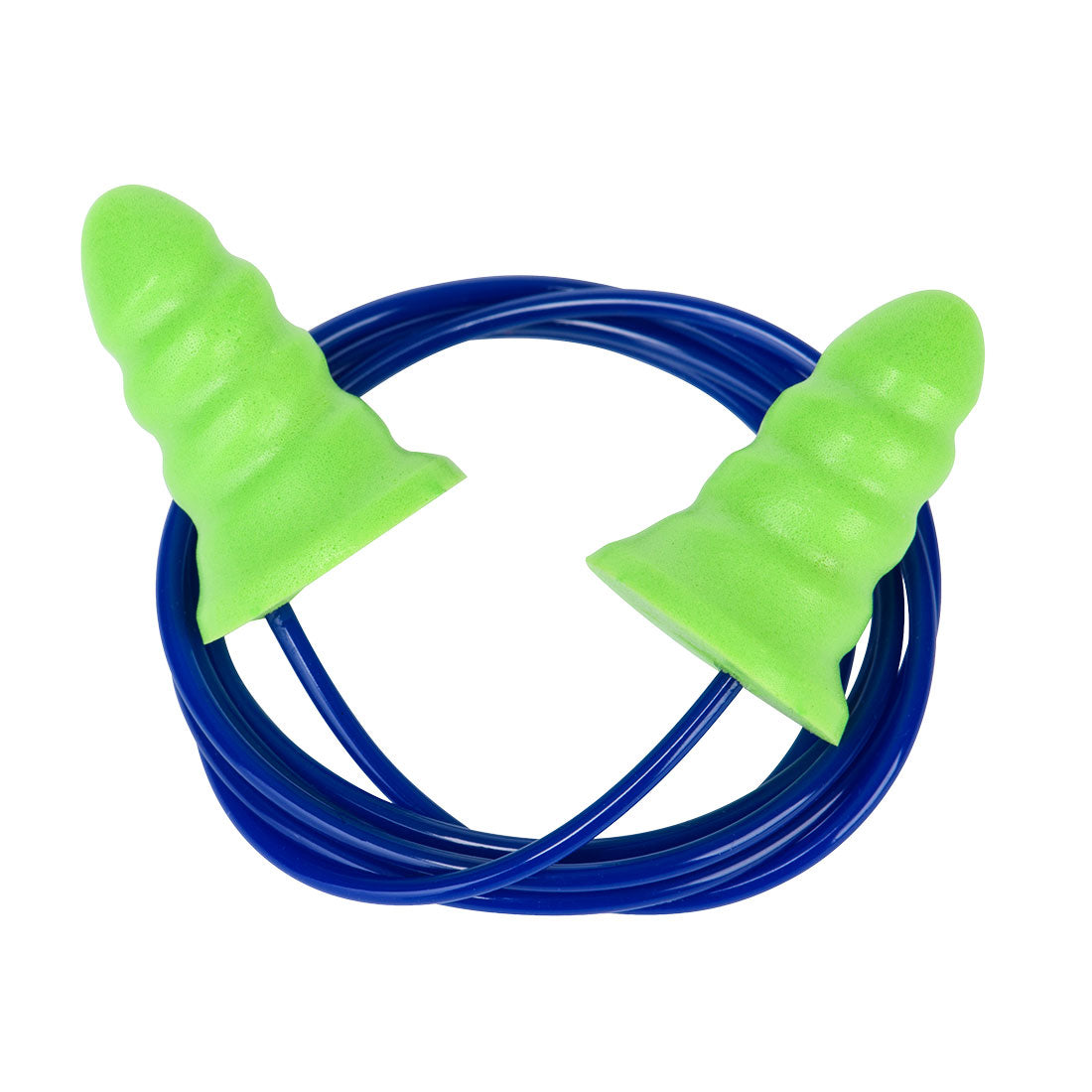
Earmuffs are ideal for intermittent noise because you can put them on and take them off in a second, and they come in versions that clip onto the safety helmet. Earplugs are more pleasant in heat and on long workdays. Custom earmolds are made to measure, sit most comfortably and attenuate most evenly, but require an upfront investment.

Pay close attention to the seal. The temples of safety glasses, long hair or the edge of a cap under the cushions can easily cost 10 dB. That's more than the difference between two models.

Frequently asked questions

From what noise level do I need to wear hearing protection?

From a daily exposure of 80 dB(A), the employer must make hearing protection available. From 85 dB(A) wearing it is mandatory and measures must be taken to reduce the noise. For comparison: an angle grinder or hammer drill is well above that threshold.

What does the SNR value mean?

SNR stands for Single Number Rating: the average number of decibels the protection attenuates. Roughly subtract that value from the ambient noise to estimate what remains. Aim for about 70 to 75 dB(A) at your ear; more attenuation sounds safer but actually makes you less safe because you no longer hear warning signals and colleagues.

Earmuffs or earplugs?

Earmuffs go on and off quickly and are handy when the noise comes intermittently. Earplugs are more pleasant in heat, under a helmet, or when worn for long stretches. The biggest practical difference is fit: glasses or a cap under the muff breaks the seal and can easily cost 10 dB of attenuation.

May you listen to music with Bluetooth ear defenders?

You can, but the sound of your music or phone call counts towards your total noise exposure. So keep the volume low and make sure you can still hear warning signals and colleagues. Some employers do not allow music on the shop floor for safety reasons. Discuss this beforehand, even if the ear defender itself is certified according to EN 352.

How often should you replace the ear cushions of ear defenders?

Replace the ear cushions according to the manufacturer's advice, and always as soon as they become hard, tear or no longer fit properly. With daily use, this is often after about six months. Worn cushions seal less well, so the actual attenuation is lower than the SNR value on the packaging. Clean the cushions regularly with a damp cloth.

Is your question not listed? Ask our specialists.

Recently viewed